Korean converts to Islam
An estimated 45,000 ethnic Koreans born and raised in South Korea have changed their faith to Islam. Among them is Yusuf, an ethnic Korean in his 30s who converted to Islam in 2014. “Most of the men do it to find wives," Yusuf said. Disillusioned with Korea's competitive dating culture, especially in Seoul, many of the men seeking out Islam are also seeking a return to what Yusuf described as a…
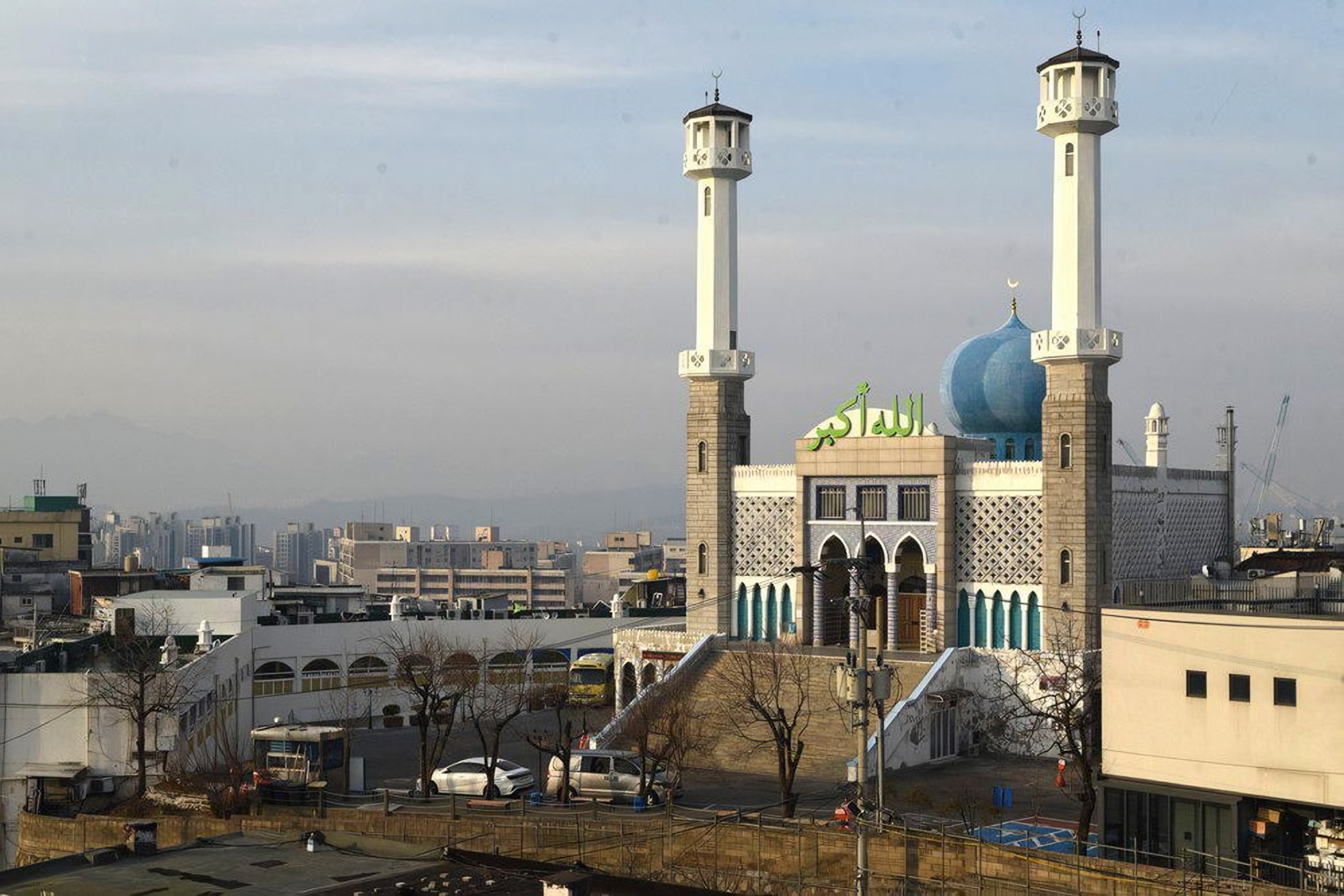
More than 45,000 Koreans born and raised in South Korea have embraced Islam, according to estimates. One such convert, Yusuf, a man in his thirties, changed his faith in 2014. He explained that many Korean men convert to Islam due to the competitive dating scene in Seoul, seeking a simpler path to marriage. In Seoul Central Masjid in Itaewon, between five and 25 new converts enroll in a course on basic Islamic principles each month, with the option to recite the Shahada and officially convert to Islam.
While the majority of these converts are men, female converts also cite "simplicity" as a reason for their faith change. Some, like Areum, find Islam's respect for elders appealing, as it aligns with their Korean cultural values.
Written by urgent.news from The Korea Times's reporting — not their text. Machine-written — may contain errors; check the original before relying on it.
This story
This is one outlet's version. Read the fullest account.
- Korean converts to Islam koreatimes.co.kr