Karnataka prepares for power supply during summer as consumers grapple with outages
Power demand stood at 298 million units on September 30, lower than the level recorded a few weeks ago
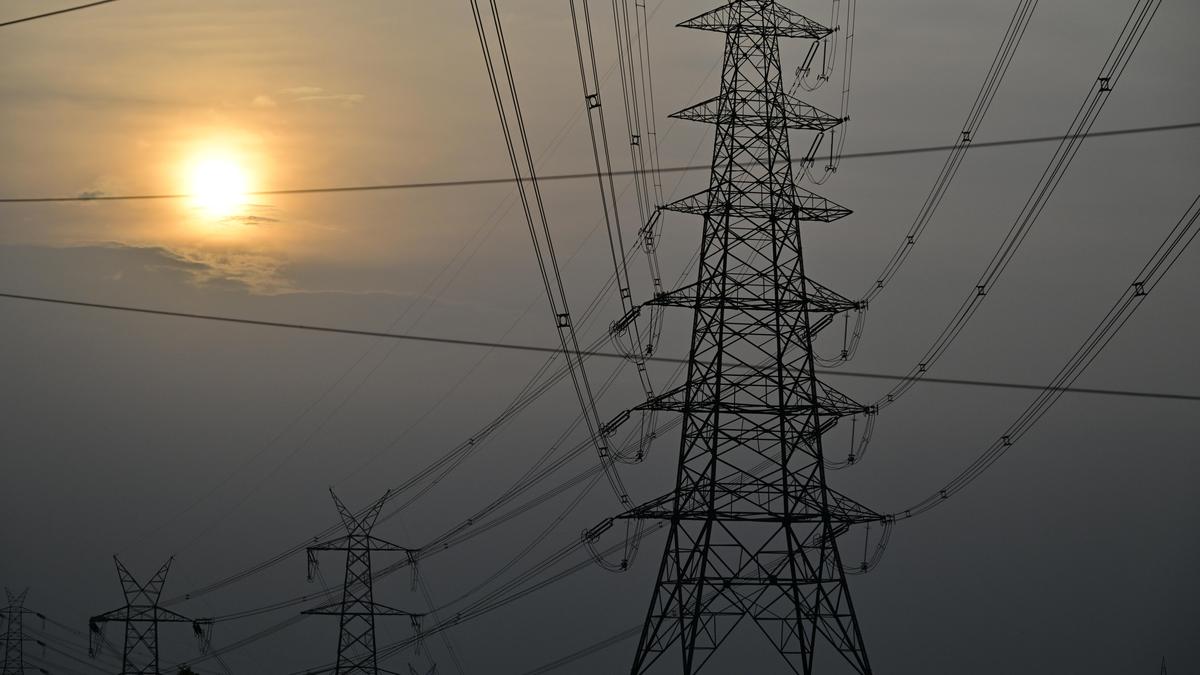
As complaints of frequent power cuts continued to flood in from across Karnataka, Energy Department officials revealed that the department has increased power supply by more than 3,000 MW to cope with the additional load through various sources, including thermal power, procurement from the central grid, and independent power generators.
On September 30, power demand stood at 298 million units (MU), lower than the levels recorded a few weeks earlier, with peak demand reaching 340 MU in early and mid-September. The reduced demand may be attributed to the recent good rains. However, officials pointed out that power disruptions may be caused by overloading, line clearance, and maintenance works at substations.
While consumers grappled with the power disruptions, residents near HAL in Bengaluru expressed their frustration. A resident claimed that despite assurances from the Energy Minister that there would be no load-shedding, power cuts had been rampant in their area in recent days. Similarly, a resident of Rajajinagar experienced a two-day outage from 10 a.m. to 2 p.m., which made it difficult for her son, who works from home, to conduct his business.
Power interruptions have also affected medical professionals, with one clinic owner planning to install an inverter or UPS to avoid patient treatment difficulties.
The State Energy Minister, K.J. George, assured that Karnataka is well-prepared to handle the electricity demand in the upcoming months. The government is exploring power procurement through exchange arrangements with Uttar Pradesh, Punjab, and Haryana. In addition, thermal power procurement of 2,000 MW has been secured, and the annual maintenance of KPCL's thermal units is being optimized to ensure maximum generation capacity.
Power banking arrangements with northern States will come into effect from November, depending on demand.
Moreover, the government plans to increase power availability by another 1,000 MW from November 1, as the State will cease supplying power to northern States that had borrowed it earlier. An additional 230 MW will be taken from other generators in advance, while 236 MW has been allocated from the central pool (Eastern Grid). The Government of India's Section 11 notification, effective from October 1, will further enhance power availability in exchanges.
Karnataka is also investing in energy storage capacity as part of its long-term power security strategy, with BESS projects totaling 500 MW/1,000 MWh in various stages of implementation.
Written by urgent.news from The Hindu's reporting — not their text. Machine-written — may contain errors; check the original before relying on it.