India’s river interlinks may carry invasive species to more areas
The Lower Ganga basin hosts 13-15 invasive alien species and could become a major source of invasives for the Mahanadi, home to 69 threatened species; water connections under the river interlinking project could also help aquatic pathogens to spread and flatten the unique biota that individual river basins boast today
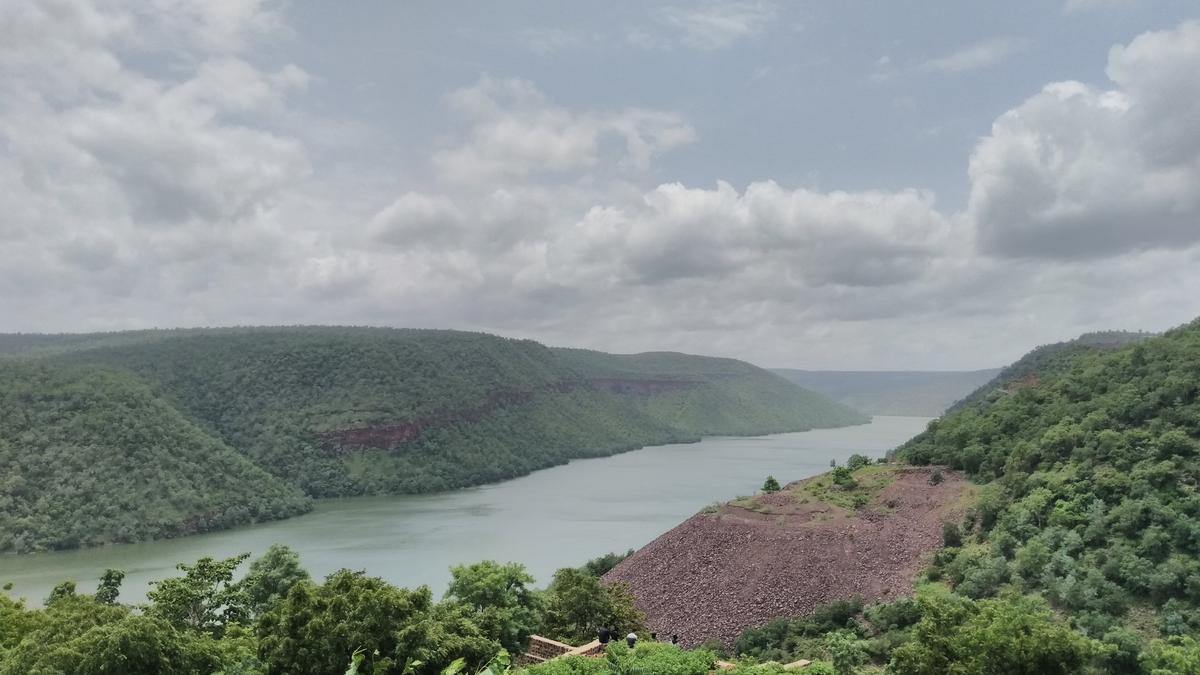
The National River-Linking Project, the world's most ambitious river basin linking initiative, proposes to connect 37 major river basins across India to redistribute water from surplus to deficit areas. However, experts warn that this endeavor could introduce invasive species to ecologically sensitive regions, potentially endangering endemic species and disrupting ecosystems.
Because India's basins are largely isolated, many endemic species are unique to their respective areas, making them particularly vulnerable to invasive species. The study suggests that connecting rivers may introduce new invasive species and increase the vulnerability of native species, exacerbating the risk of extinction for threatened species.
Climate change further complicates assumptions about water availability in the future, making the river linking project a complex environmental issue with far-reaching implications for biodiversity, fisheries, and the economy.
Written by urgent.news from The Hindu - Sci-Tech's reporting — not their text. Machine-written — may contain errors; check the original before relying on it.
This story
This is one outlet's version. Read the fullest account.