India’s Rising Equity Investments Yet To Boost Long-Term Retirement Savings, Says CEA V Anantha Nageswaran
India’s increasing participation in equities and mutual funds has not resulted in a similar rise in long-term retirement savings, Chief Economic Adviser V Anantha Nageswaran said on Thursday. Speaking at the Pension Fund Regulatory and Development Authority’s NPS Divas 2026, Nageswaran said Indian savers had shown greater willingness to take market risks but had yet to commit a significant share…
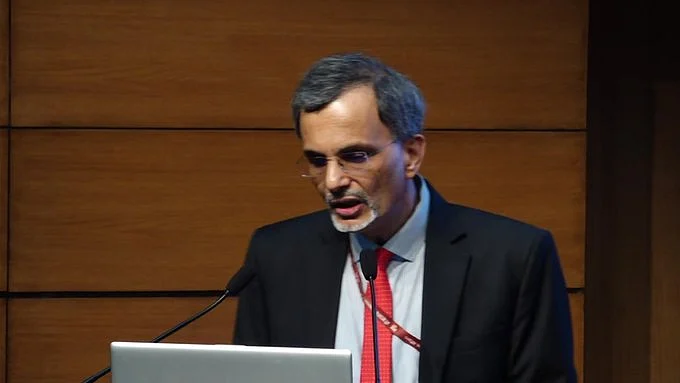
Despite a surge in equity and mutual fund investments in India, Chief Economic Adviser V Anantha Nageswaran revealed on Thursday that this trend has yet to translate into a significant increase in long-term retirement savings. Speaking at the Pension Fund Regulatory and Development Authority's NPS Divas 2026 event, Nageswaran noted that while Indian savers have demonstrated increased willingness to take market risks, they have not yet allocated a substantial portion of their savings for extended periods, especially crucial as India's demographic landscape shifts.
He emphasized that as the population ages, households must build financial resources to support themselves post-retirement. Furthermore, financial markets must direct long-term savings towards productive investments. According to the Economic Survey 2025-26, equities and mutual funds constituted around 12-15% of annual household financial savings in FY25, a marked contrast to only about 2% in FY12.
Similarly, bank deposits' share has dwindled from above 58% in FY12 to approximately 35% by the same period. Systematic investment plan (SIP) inflows have witnessed substantial growth, escalating from less than ₹4,000 crore monthly in FY17 to over ₹28,000 crore during the first eight months of FY26. However, Nageswaran highlighted that the proportion of pension and insurance assets in household savings has remained stagnant between FY19 and FY24.
With India's pension assets estimated at about 17% of GDP, compared to at least 80% in Organisation for Economic Co-operation and Development economies, there is a noticeable gap. Financial Services Secretary Sanjay Lohiya stressed the need for pension institutions to build confidence among subscribers and highlighted that pension savings should be treated distinctly from conventional investment products.
He also pointed to demographic changes, such as the increasing share of Indians aged 60 and above, as another reason to strengthen retirement savings. Currently, this age group constitutes 10.1% of India's population, projected to rise to 15% by 2036 and 28% by 2050, according to the United Nations Population Fund's India Ageing Report 2023.
By 2050, India could have roughly 34.7 crore people aged 60 and above. A person reaching 60 can expect to live another 18.4 years on average, while women have a slightly higher expectancy of 19.6 years. Consequently, retirement could represent nearly two decades of life that needs to be financed through savings accumulated during working years.
Currently, India's old-age dependency ratio remains relatively low at about 16 older people for every 100 working-age individuals.
Written by urgent.news from Free Press Journal's reporting — not their text. Machine-written — may contain errors; check the original before relying on it.