India’s isolated island tribes need autonomy to survive rising threats, says scholar
Isolated and contacted Indigenous tribes in India’s Andaman and Nicobar Islands face threats from illegal fishing, mega-development projects and misinformed government welfare policies that undermine their self-sufficiency, says Manish Chandi, a former research scholar who has spent decades working with tribal communities in the region. Chandi worked with the communities while he was with the […]
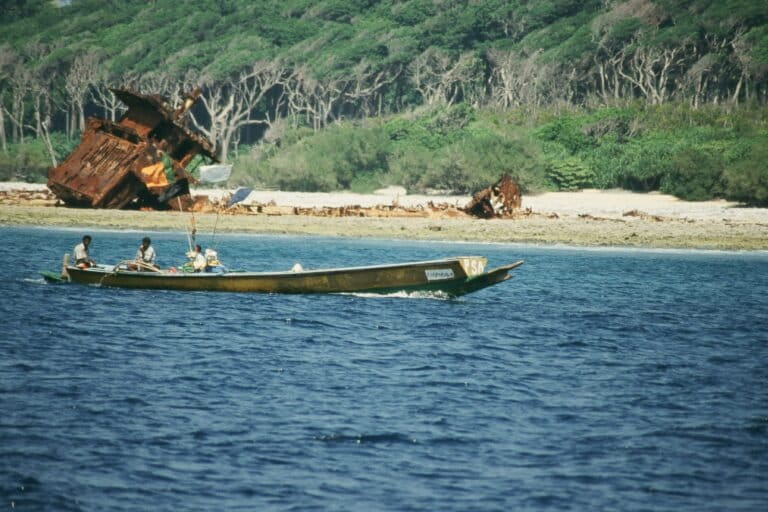
India's isolated island tribes, particularly those in the Andaman and Nicobar archipelago, are facing a range of threats that jeopardize their survival and the preservation of their unique biodiversity. According to Manish Chandi, a former research scholar who has dedicated his career to working with tribal communities in the region, illegal fishing, large-scale development projects, and government welfare policies that undermine self-sufficiency pose significant challenges.
Chandi emphasizes that protecting the autonomy of these Indigenous groups is crucial not only for their cultural preservation but also for environmental conservation, as the tribal reserves are home to some of the region's richest biodiversity. The archipelago's tribal areas, which are largely untouched by commercial activities, serve as vital habitats for a diverse array of species, outperforming the numerous national parks and wildlife sanctuaries across the islands.
However, escalating pressures such as the infiltration of commercial trawlers, poachers, and a proposed development project that overlaps with ancestral foraging grounds on Great Nicobar Island, put these communities and their ecosystems at risk.
Brief written by urgent.news from Mongabay's own syndicated text. Machine-written — may contain errors; check the original before relying on it.