Ifo und DIW: Wirtschaftsinstitute halten Tankrabatt für falsch
Mit einem Tankrabatt will die Bundesregierung die Lasten der hohen Spritkosten für Verbraucher abfedern. Wirtschaftsforscher halten die Maßnahme für verfehlt - es profitierten die falschen.
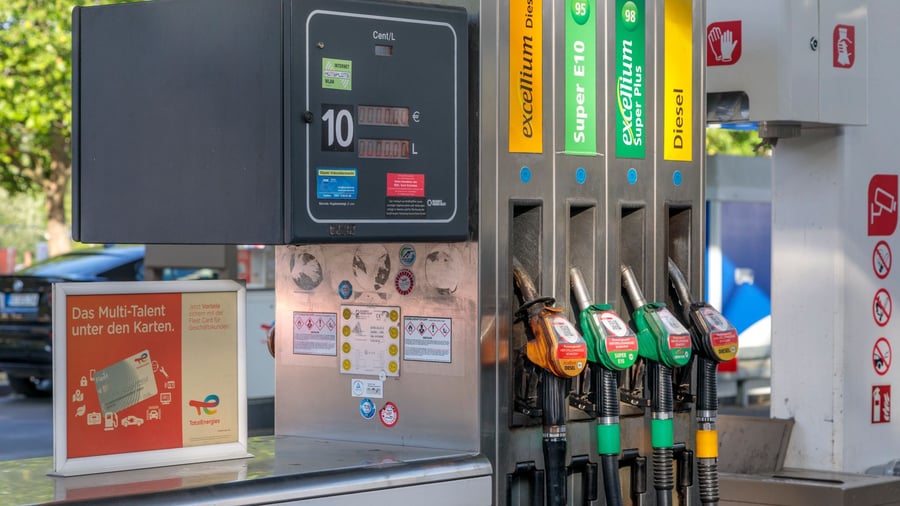
Two prominent German economic institutes, Ifo and DIW, criticize the current tank rebate for motorists as misguided. Clemens Fuest, head of the Ifo Institute in Munich, explains that many drivers perceive high fuel prices as a significant burden. However, he argues that a tank rebate is not the appropriate solution as it redistributes costs to those who can afford higher prices and do not require cost-sharing.
Fuest suggests that if policymakers aim to assist specific groups, such as frequent commuters with long work commutes, they should use more targeted measures like increasing the commuter allowance. Additionally, he notes that the tank rebate only has limited impact; for instance, a driver making 1,000 kilometers per month with a 6-liter consumption would save only 10 euros per month.
Economically, the rebate would result in a net cost of 2.5 billion euros. Tomaso Duso, an expert from the German Institute for Economic Research (DIW), echoes these sentiments, stating that the primary beneficiaries are those who drive frequently and own large vehicles, typically higher-income households. Households without cars do not receive relief and must bear the cost of the measure.
High fuel prices also serve a purpose during scarcity, signaling consumers to drive more efficiently and prompting refineries to increase production. Duso concludes that if relief is desired, it should be direct and precise rather than through fuel prices. The tank rebate, applicable from October 1st to December 31st, reduces the energy tax on diesel and gasoline by approximately 14 cents per liter, resulting in a 16.7 cent per liter discount at the pump, all inclusive of VAT.
The Bundestag and Bundesrat initiated this reduction before the last weekend in September, with a previous two-month tank rebate having taken place in spring.
Written by urgent.news from Handelsblatt's reporting — not their text. Machine-written — may contain errors; check the original before relying on it.