ICJ? Asean? Civil suits? What can Malaysia, others do about Indonesia’s choking haze?
KUALA LUMPUR, Oct 1 — Haze from Indonesian wildfires has blanketed neighbouring Malaysia and Singapore for more th...
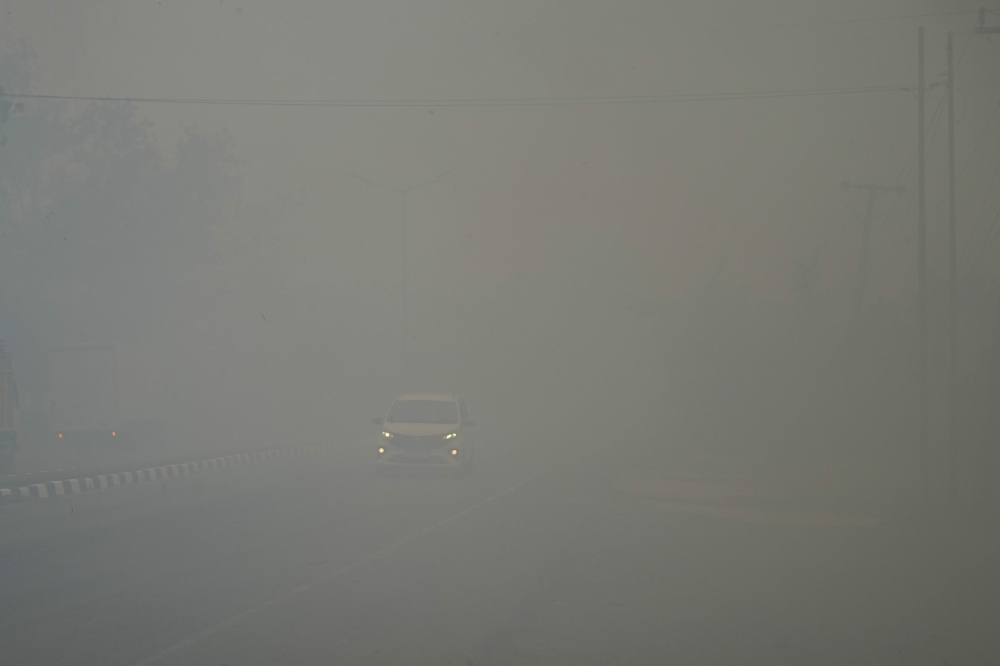
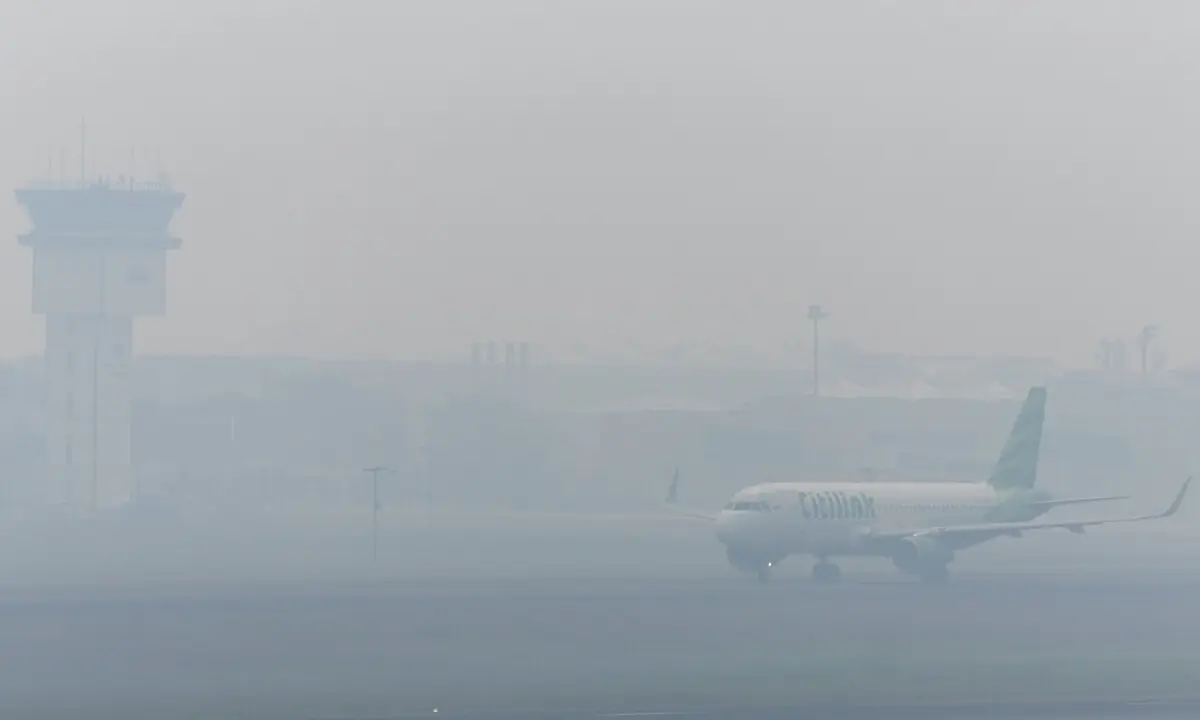
KUALA LUMPUR, Oct 1 — Haze originating from Indonesian wildfires has enveloped neighboring Malaysia and Singapore for over a month, disrupting daily life and causing a surge in respiratory complaints. While this isn't the first time Indonesian haze has caused a regional pollution crisis, experts say that neighbouring countries face limited legal recourse.
Suggestions of taking Indonesia to the International Court of Justice (ICJ) are hindered by jurisdictional issues, as the ICJ usually requires both states' consent. The trio of countries are also not signatories or parties to the 1979 Convention on Long-range Transboundary Air Pollution, a European framework aimed at curbing cross-border air pollution.
They are parties to the Asean Agreement on Transboundary Haze Pollution, but this treaty lacks a clause on litigation before the ICJ. The Asean framework emphasizes consensus, sovereignty, and non-interference, limiting its ability to apply diplomatic pressure on member states. Civil action options include suing Indonesian companies in their courts, but proving a direct link between their activities and the haze-related harms would be challenging.
Previous attempts by Singapore to pass laws punishing companies causing haze have faced enforcement difficulties due to reliance on foreign cooperation and proving responsibility.
Written by urgent.news from Malay Mail's reporting — not their text. Machine-written — may contain errors; check the original before relying on it.
This story
This is one outlet's version. Read the fullest account.