How Richard Nixon Reshaped the Relationship Between the President and the Press
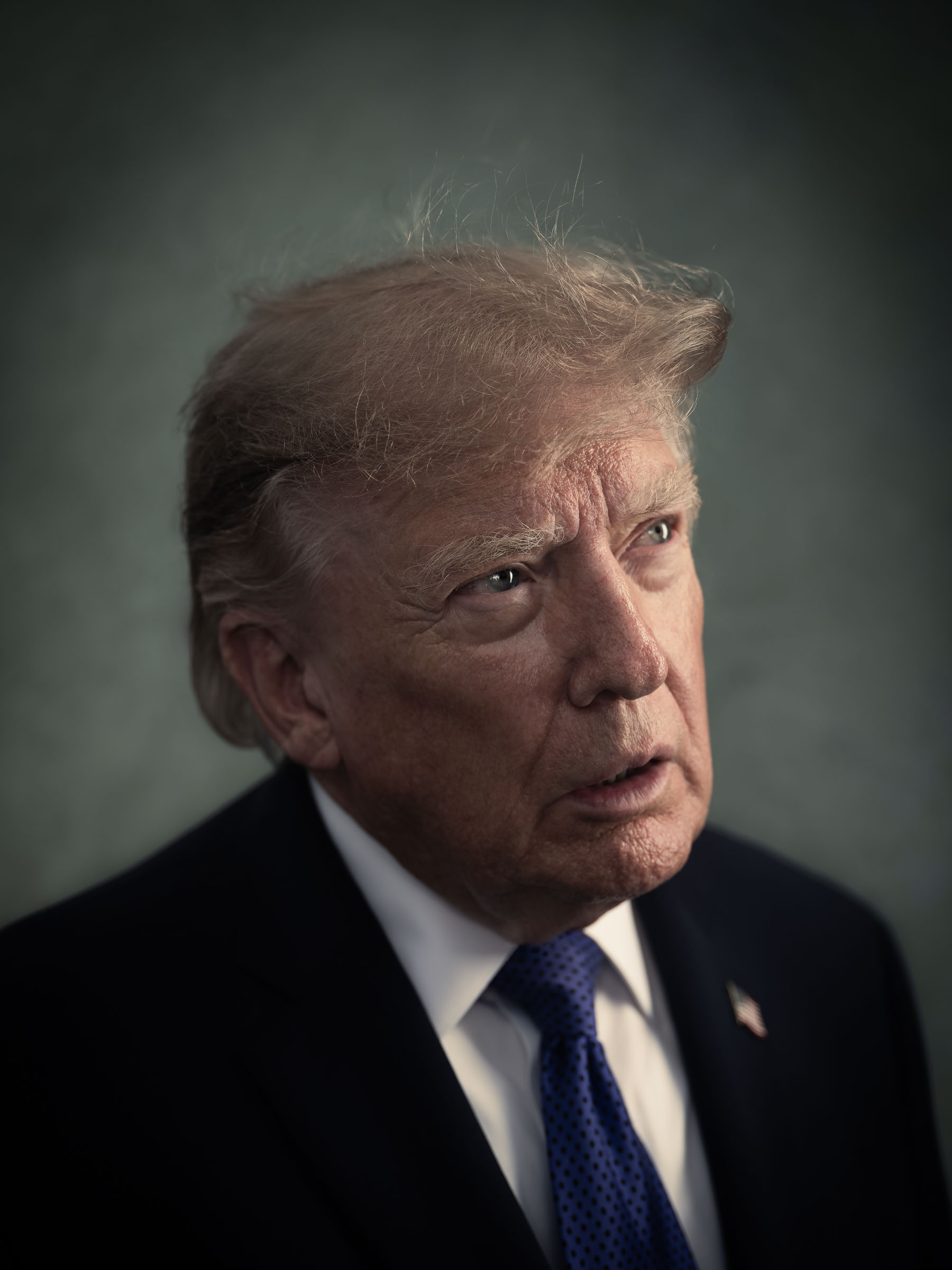
Appearing a record number of times on the cover of TIME isn't the only way President Donald Trump is following President Richard Nixon.
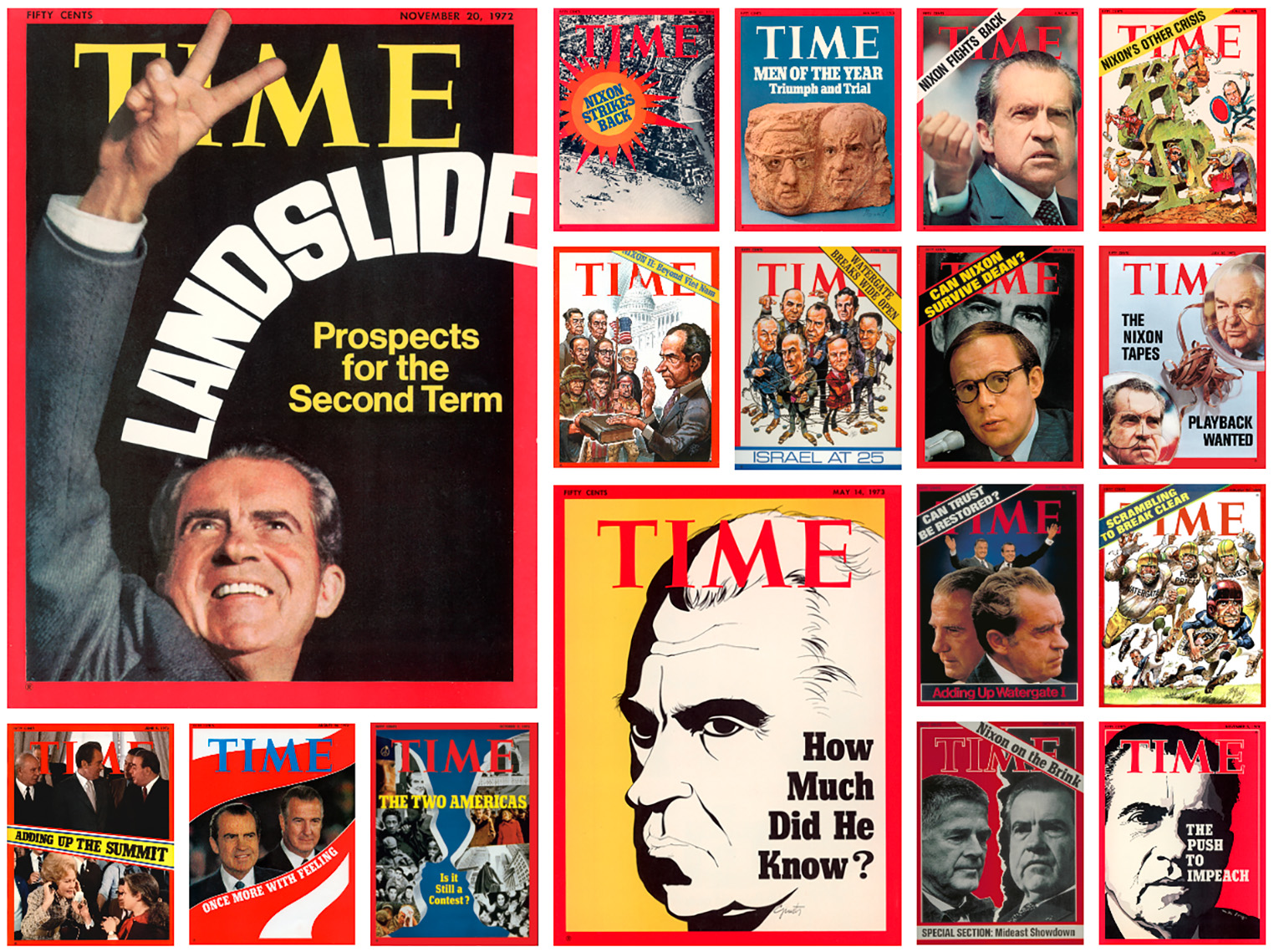
Richard Nixon's relationship with the press was notably contentious, set against the backdrop of significant political and social upheaval in the late 1960s and early 1970s. As Nixon took office in 1969, tensions between the White House and journalists had escalated due to factors such as the Vietnam War, the perceived "credibility gap" during Lyndon Johnson's presidency, and the cultural shifts of the 1960s.
Nixon was widely perceived to harbor adversarial intentions towards the press, with even prominent journalists like Walter Cronkite and the Washington Post's Ben Bradlee describing his approach as a "grand conspiracy" against them. This hostile stance was widely acknowledged, with a National Press Club report alleging an extensive government-wide effort to control, restrict, and conceal information, as well as discredit the press.
Despite the overall adversarial relationship, there were periods of positive interaction, such as during the summer of 1972 when Nixon's efforts to ease tensions with the Soviet Union and his China trip garnered favorable press coverage. However, Nixon's antipress campaign persisted, with some of his aides admitting to strategies aimed at manipulating media coverage. Speechwriter Ray Price even acknowledged that Nixon's team often lied, misled, and deceived the press.
The extent of Nixon's tactics against the press became increasingly troubling, with actions ranging from routine annoyances, like press secretary Ron Ziegler's evasiveness, to genuinely extreme interference with journalistic independence. One such incident involved wiretapping the homes and phones of critical journalists, including Joseph Kraft, without warrants—a scheme that would not be exposed until just before the Watergate hearings.
Despite these intrusive measures, Nixon's efforts to control and discredit the press continued unabated throughout his tenure, shaping a relationship that would remain a defining characteristic of his presidency.
Written by urgent.news from Time's reporting — not their text. Machine-written — may contain errors; check the original before relying on it.