How AI is replacing English as the world’s second language
For decades, we told people that if they wanted to succeed in a global economy, they needed to speak English. You could be an engineer in Seoul, an entrepreneur in Abu Dhabi, a civil servant in Singapore or a banker in Paris; English might not be your first language, but it must be your second if you want to compete and trade globally as it became, over the past century, the common language of…
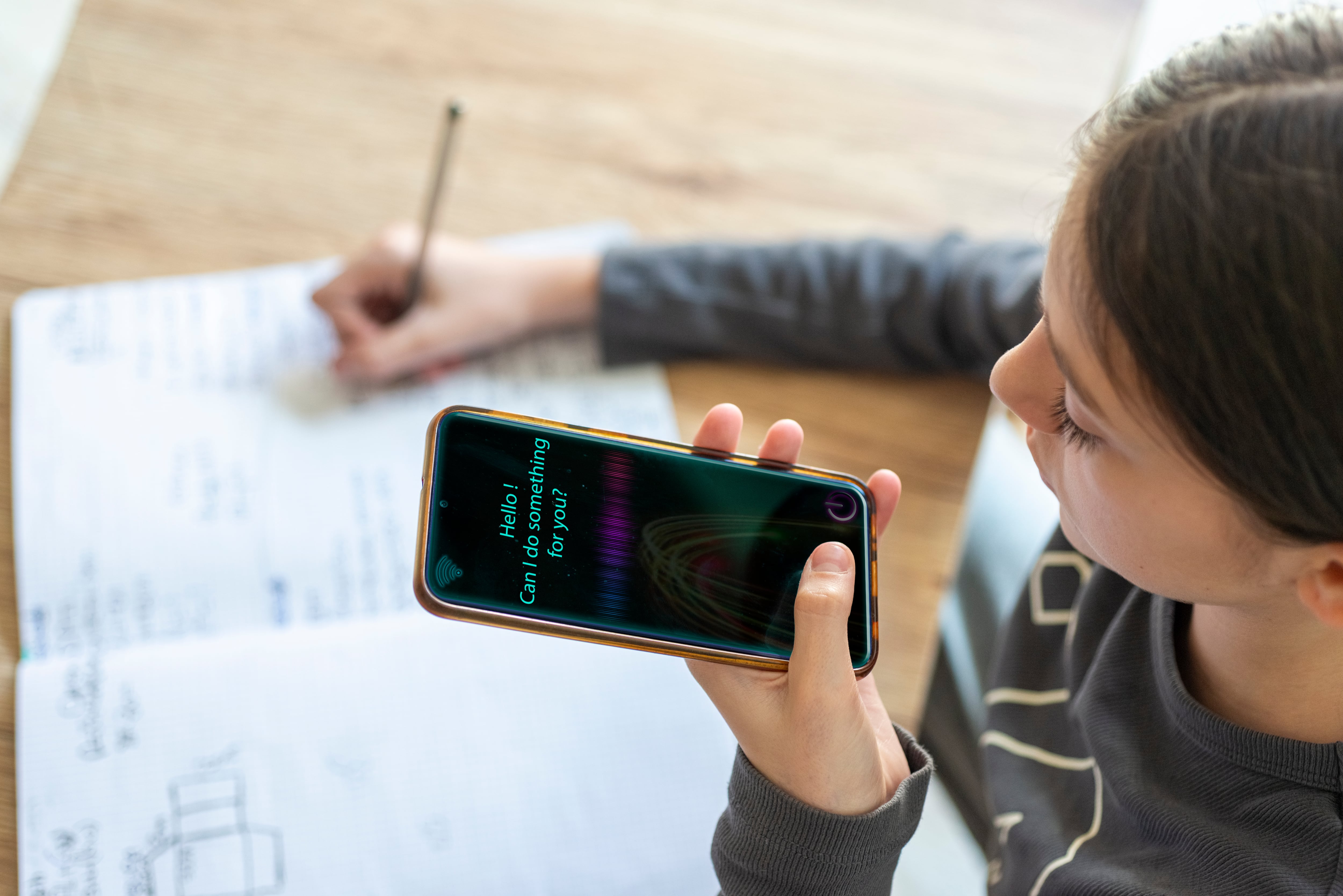
For years, people were convinced that mastering English was essential for success in a global economy. Regardless of one's profession, whether an engineer in Seoul, an entrepreneur in Abu Dhabi, a civil servant in Singapore, or a banker in Paris, knowing English as a second language was crucial. Over the past century, English became the ubiquitous language of international business, technology, academia, and diplomacy.
However, the landscape is rapidly changing, and a new second language is emerging: Artificial Intelligence, or AI. This shift may seem far-fetched at first glance, but when we consider the transformative impact AI is having on the workplace, it becomes clear that AI literacy is becoming increasingly important. The World Economic Forum predicts that 86% of employers anticipate AI and information-processing technologies to revolutionize their businesses by 2030, while a significant 39% of workers will need to acquire new skills or have their existing ones rendered obsolete.
If we consider a hypothetical workforce of 100 individuals, 59 of them would require training by the end of the decade, and a staggering 11 are unlikely to receive the necessary instruction. AI and big data have already become the fastest-growing skills employers seek. Singapore, recognizing this shift, has taken proactive measures to address the impending wave.
The Skills and Workforce Development Agency recently introduced a comprehensive catalogue of over 200 AI courses. In a unique approach, eligible Singaporean citizens aged 18 and above who complete selected courses can enjoy six months of complimentary access to premium AI tools like ChatGPT Plus or Google AI Pro. Prime Minister Lawrence Wong emphasized that this initiative is part of a broader effort to prepare workers for jobs whose skills and requirements are evolving rapidly.
Singapore aims to make AI the second language of its entire population. The significance of this endeavor extends beyond simply encouraging citizens to learn about AI; it involves providing them with the opportunity to immerse themselves in the technology. Singapore's approach involves offering courses, granting access to AI tools, and encouraging daily usage, allowing individuals to experience the technology firsthand, make mistakes, and discern its benefits and limitations.
AI literacy should not create a divide among different groups such as young and old, university graduates and non-graduates, executives and frontline workers, or urban and rural communities. Most individuals today likely possess a basic understanding of AI, comparable to tourist-level proficiency. They can utilize AI for tasks like asking questions, rewriting emails, summarizing documents, or generating images, which can be helpful but only equivalent to knowing how to order coffee and request directions.
AI fluency, on the other hand, involves instinctively considering whether AI could enhance a task before embarking on it. Before researching an issue, one would utilize AI to map out the field; prior to a meeting, it would be used to challenge assumptions; before writing a report, it would analyze evidence. AI becomes an integral part of cognition, seamlessly integrated into daily tasks.
There is already evidence supporting this transformation. In a study involving 7,137 knowledge workers across 66 companies, employees who had access to an AI assistant integrated into their work routine spent approximately two fewer hours each week on email. Moreover, LinkedIn reported a 177% increase in AI-literacy skills added by its members since 2023, and over half of surveyed hiring managers stated they would not hire someone lacking AI literacy.
Singapore's approach goes beyond merely promoting AI awareness. The AI Ready Quiz, developed in collaboration with the Singapore Institute of Technology, takes about 15 to 20 minutes and categorizes users into three levels: AI Aware, AI Literate, and AI Fluent, followed by personalized recommendations for further learning. This assessment system is crucial as it moves away from merely counting the number of individuals who attend courses and instead focuses on evaluating the population's capability to effectively utilize AI.
The analogy to English language tests like TOEFL or IELTS is apt, as it moves beyond mere attendance figures to a more meaningful question: how capable is the population at truly employing AI? AI literacy should not be confined to a specific demographic group. A 19-year-old university student requires AI literacy, just as a 55-year-old government employee, nurse, teacher, farmer, lawyer, small-business owner, and retirees do.
While not everyone needs to become an AI engineer, similar to how speaking English doesn't necessitate becoming an English professor, author, or poet, the key is achieving sufficient fluency to confidently navigate the AI-driven environment. Governments in the past invested in infrastructure like roads, electricity, schools, and broadband to enable citizens' economic participation.
AI capability is beginning to resemble another form of national infrastructure, necessitating universal foundational learning, accessible access to leading tools, workplace practice, sector-specific training, and continuous assessment. In twenty years, the question of whether someone knows how to use AI might seem as antiquated as asking a contemporary office worker about their familiarity with the internet.
We are entering a new era, where the language of the country is AI, and everyone must learn to speak it.
Written by urgent.news from The National Business's reporting — not their text. Machine-written — may contain errors; check the original before relying on it.
This story
This is one outlet's version. Read the fullest account.
- How AI is replacing English as the world’s second language thenationalnews.com