How AI Anxiety Turns Into Extremism
Despite shared concerns, stark differences exist in perceptions of AI in the United States and China.
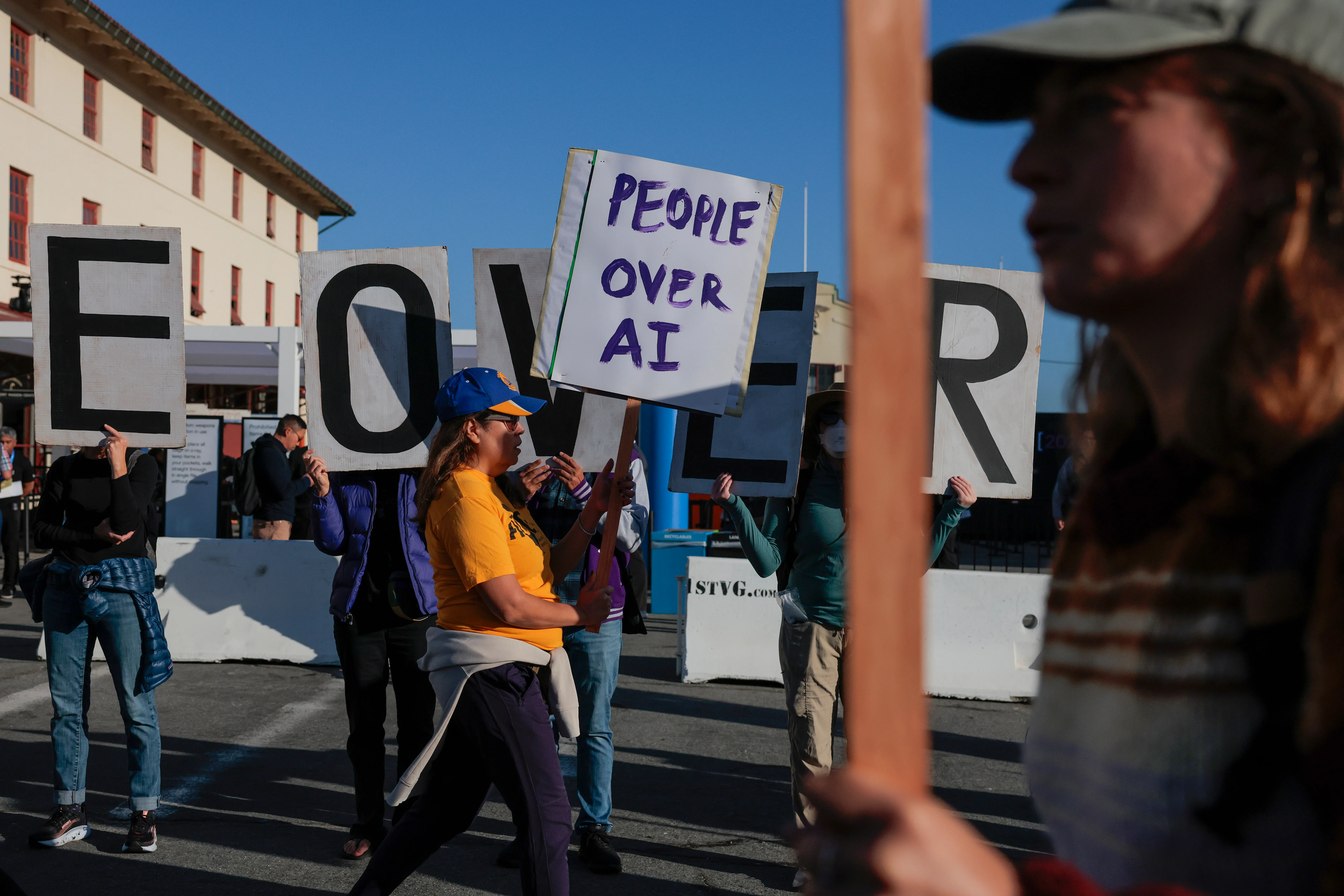
Concerns about AI's potential to cause widespread harm have surged in recent months, prompting calls for a slowdown in the development of advanced AI systems. While tech leaders such as Sam Altman and Elon Musk have expressed their reservations, these concerns have also fueled a new wave of anti-AI sentiment. This sentiment, in turn, has given rise to instances of violence, although the connection between the two is not always clear-cut.
In the United States, for instance, a 20-year-old man allegedly threw a Molotov cocktail at OpenAI CEO Sam Altman's home, while in Indianapolis, a city councilman had his home fired upon with 13 rounds and a note warning against data centers. These acts of violence appear to stem from a collective fear of AI-driven job loss and societal disruption.
Despite the global nature of the AI revolution, reactions to it vary significantly between countries. In China, which is at the forefront of AI development, a vast majority of citizens view AI as a net positive, with only a small fraction expressing concerns about its drawbacks. This stark contrast between the United States and China highlights the importance of political responses in shaping how AI-related anxiety is channeled.
Governments can play a crucial role in preventing AI anxiety from spiraling into violence by ensuring that affected individuals see political institutions as viable avenues for addressing their concerns. In China, the government has taken steps to address AI-related job displacement, recognizing the potential for economic disruption and responding by prioritizing AI-related employment concerns in recent policy frameworks.
Written by urgent.news from Foreign Policy's reporting — not their text. Machine-written — may contain errors; check the original before relying on it.