How a breast cancer trial changed the lives of survivors
Twenty-five years ago, Donna Rullo joined a trial for a little-known, targeted breast cancer drug that saved her life and transformed the care of women who came after her.
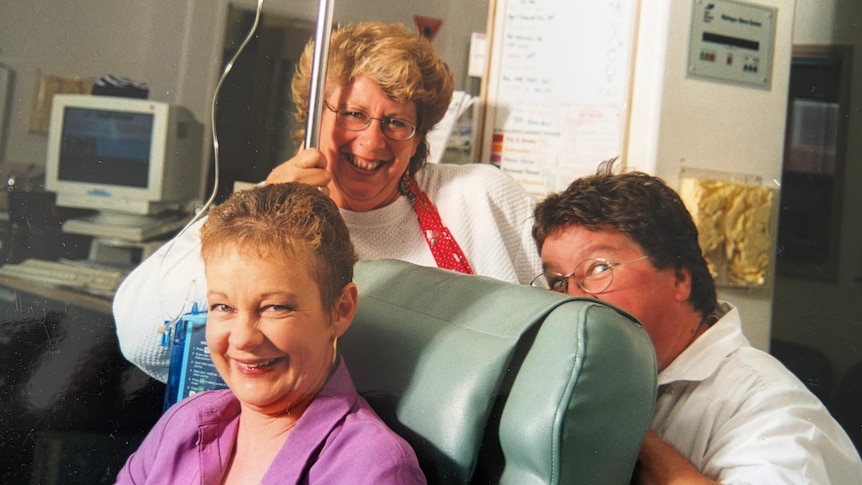
Donna Rullo faced her breast cancer diagnosis in 2001 without hesitation. The 40-year-old Australian woman was diagnosed with HER2-positive breast cancer, a fast-growing form of the disease that typically responds well to targeted treatments. At the time, however, such treatments were not available in Australia.
Motivated to ensure her son grows up healthy, Rullo drove five hours to Melbourne to attend a lecture by oncologist Richard Bell, who was leading a trial for a new drug called trastuzumab. She subsequently joined the HERA (HERceptin Adjuvant) trial, which enrolled over 5,000 patients from 39 countries. Rullo's participation allowed her to watch her son, now 37, reach significant milestones.
The trial demonstrated that taking trastuzumab for a year significantly improves long-term disease-free survival for patients with HER2-positive early breast cancer. Twenty years later, trastuzumab became widely accessible to Australian patients, a move that Breast Cancer Network Australia founder and CEO Lyn Swinburne called "life-changing" for thousands of women.
In 2001, the prime minister was lobbied to subsidize trastuzumab for women with HER2-positive metastatic breast cancer. In 2006, it was added to the Pharmaceutical Benefits Scheme (PBS) for early-stage HER2-positive breast cancer. Breast cancer is common in Australia, with one in seven women diagnosed at some point in their lives. However, survival rates have improved significantly due to better understanding of different cancer types and the development of targeted treatments.
Rachel Dear, a medical oncologist at St Vincent's Hospital, attributes the improved survival rates to earlier detection, better awareness, and more personalized treatment options. In 2026, new drug treatments are expected to further enhance survival rates for breast cancer patients.
Written by urgent.news from ABC News AU's reporting — not their text. Machine-written — may contain errors; check the original before relying on it.