GGFN Editorial | Reframing the German stadium vlogging debate around protection and proportion
German football’s argument over stadium vloggers is no longer simply about whether supporters should be filming themselves in the stands. It is becoming an argument about what constitutes media, who...
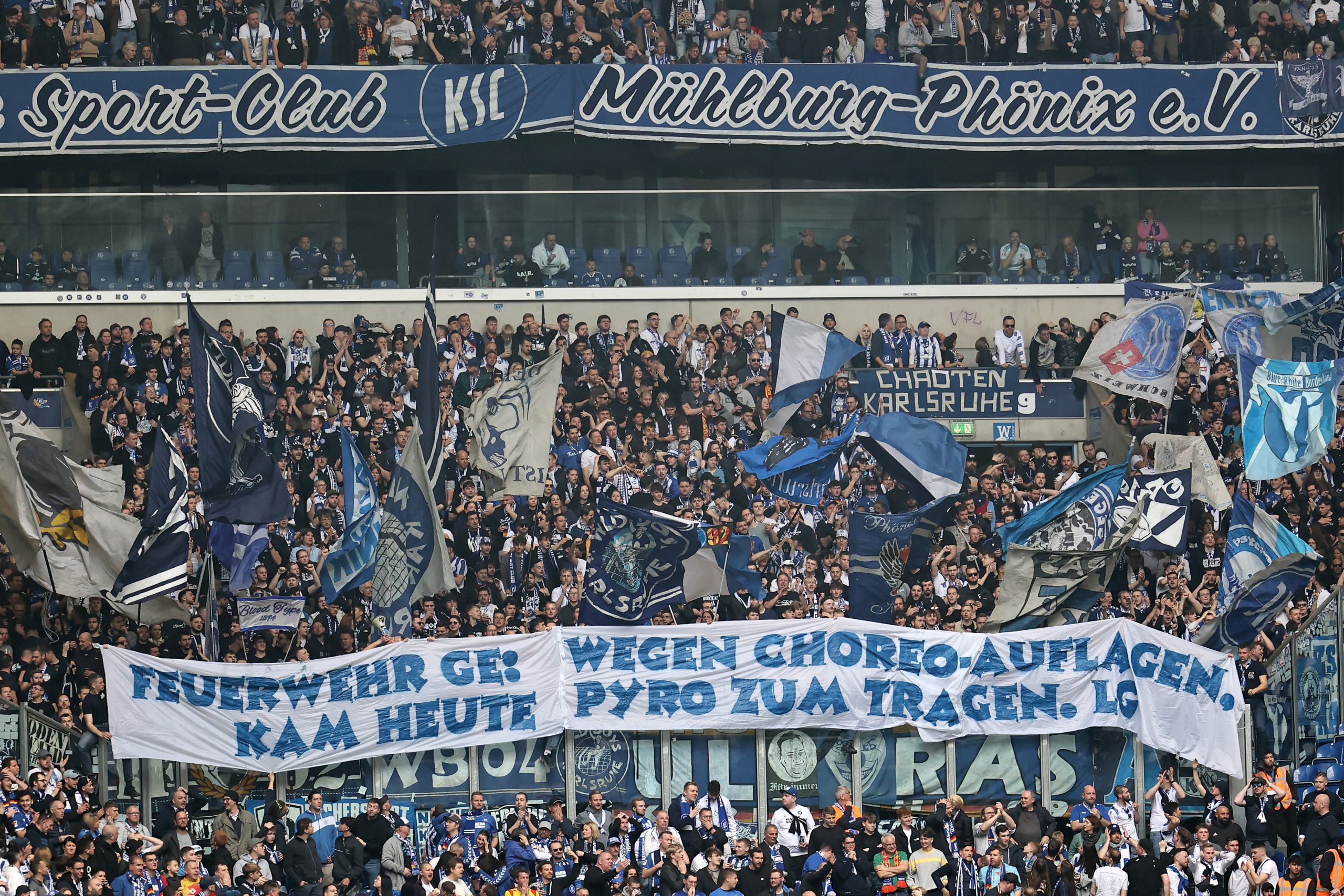
The debate over German stadium vlogging is no longer simply about whether supporters should be filming themselves at matches. It has evolved into a discussion about media ownership, monetization of football culture, and the responsibilities that come with the lucrative privilege of documenting it. Last week, GGFN looked into the conflict between fans and content creators, focusing on disputes in Karlsruhe and Dresden.
The core issue revolves around ownership rights. Fans contribute significantly to the atmosphere that makes German football so appealing. What happens when someone else turns that work into monetized content?
A new report from Kicker and the Deutsche Presse-Agentur (DPA) expands the conversation. Two key statements reveal the direction of the debate. Armin Popp, a respected fan alliance leader from "Unsere Kurve," strongly opposes commercial stadium vlogging. He argues that fan culture should not be treated as ready-made scenery. Supporters create the songs, flags, banners, and choreographies through significant unpaid labor.
When others exploit that culture commercially, it becomes an issue. Popp emphasizes that the stadium is an emotional place for fans, not a TV studio or event space.
The distinction between a fan taking photos and a creator making a monetized product is clear. Using the camera alone does not create the problem. The issue arises with commercial intent. In response, Popp goes further, stating that vloggers have no place in fan activity. While understandable in the German fan culture context, defending this stance is more challenging.
Thomas Horky, a sports scientist from Hamburg’s Macromedia University, approaches the topic differently. He highlights that peripheral actors, like vloggers, often lack proper training and motivation. Their primary goal is self-promotion rather than professional journalism. Horky’s distinction is primarily about the standards and incentives behind media production, not the technical work involved. This observation should interest professionals in football media.
Football already treats influencers as media when it suits its needs. At the 2022 World Cup, FIFA gave about 30 global content creators access to press conferences, training facilities, and other areas usually off-limits to fans. Their role was to produce personality-driven, supporter-facing content. This decision underscores that the creator economy is already integrated into football.
Clubs, leagues, and associations seek younger audiences on platforms like YouTube, TikTok, and Instagram. Influencers who can deliver these audiences become valuable communications partners.
The conflicting viewpoints on stadium vloggers illustrate a broader issue. Traditional sports journalism may dismiss influencers as competitors for attention, but this overlooks the changing landscape of media consumption. A teenager might prefer a ten-minute stadium vlog over reading a traditional report. However, the journalist-influencer distinction misses the point. Football culture is evolving, and acknowledging this is crucial for its future.
Written by urgent.news from Yahoo Sports's reporting — not their text. Machine-written — may contain errors; check the original before relying on it.