G20 trade chiefs to denounce food trade coercion but not excess factory capacity
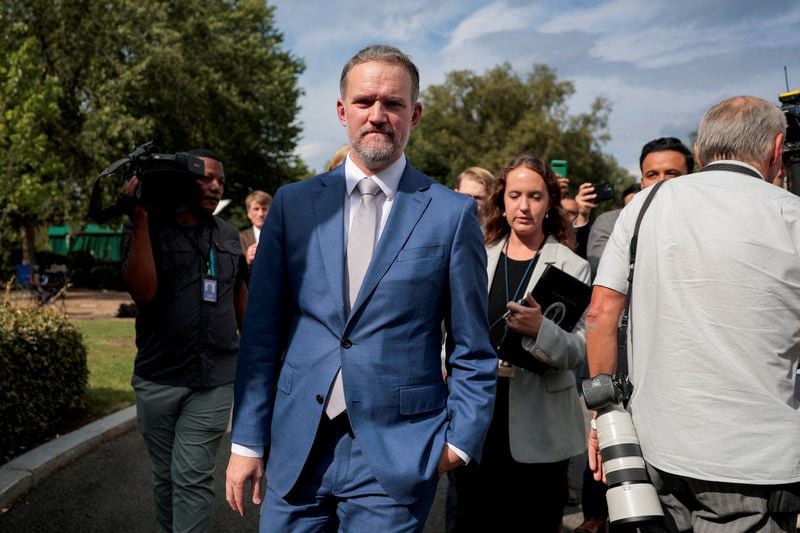
G20 trade ministers met in Milwaukee to address concerns about the weaponization of food through coercive trade actions, but failed to reach a consensus on other issues. While nearly all countries agreed that excess industrial capacity, particularly in China, needed to be tackled, there was no agreement on statements condemning forced labor in supply chains or addressing structural excess industrial capacity.
The US Trade Representative, Jamieson Greer, claimed that many G20 ministers expressed concerns about excess industrial capacity, leading the US to take unilateral tariff actions to protect its industries. Greer mentioned that they would continue discussions with like-minded trading partners. The G20 also discussed a US proposal for reforming the Most Favored Nation system of published unconditional tariff rates, but did not issue a joint statement on this topic.
Meanwhile, European Trade Commissioner Maros Sefcovic expressed enthusiasm about addressing excess capacity, noting that it has become a significant issue due to flooding markets with cheap Chinese exports. China has rejected accusations of creating excess capacity and has accused Western countries of using the issue to justify protectionist measures.
Greer also mentioned positive discussions with European counterparts about cooperating to open up strategic diesel reserves, which could help lower high prices due to supply constraints.
Written by urgent.news from Investing.com's reporting — not their text. Machine-written — may contain errors; check the original before relying on it.