FTSE 100 suffers worst single-day sell-off since May
The FTSE 100 has suffered its biggest single-day drop since May as European markets are hit by a continent-wide rout in the bond markets, which has pushed pushed western government borrowing costs to multi-decade highs. London’s blue-chip index dropped by two per cent in early trading, erasing all its gains from the third quarter in [...]
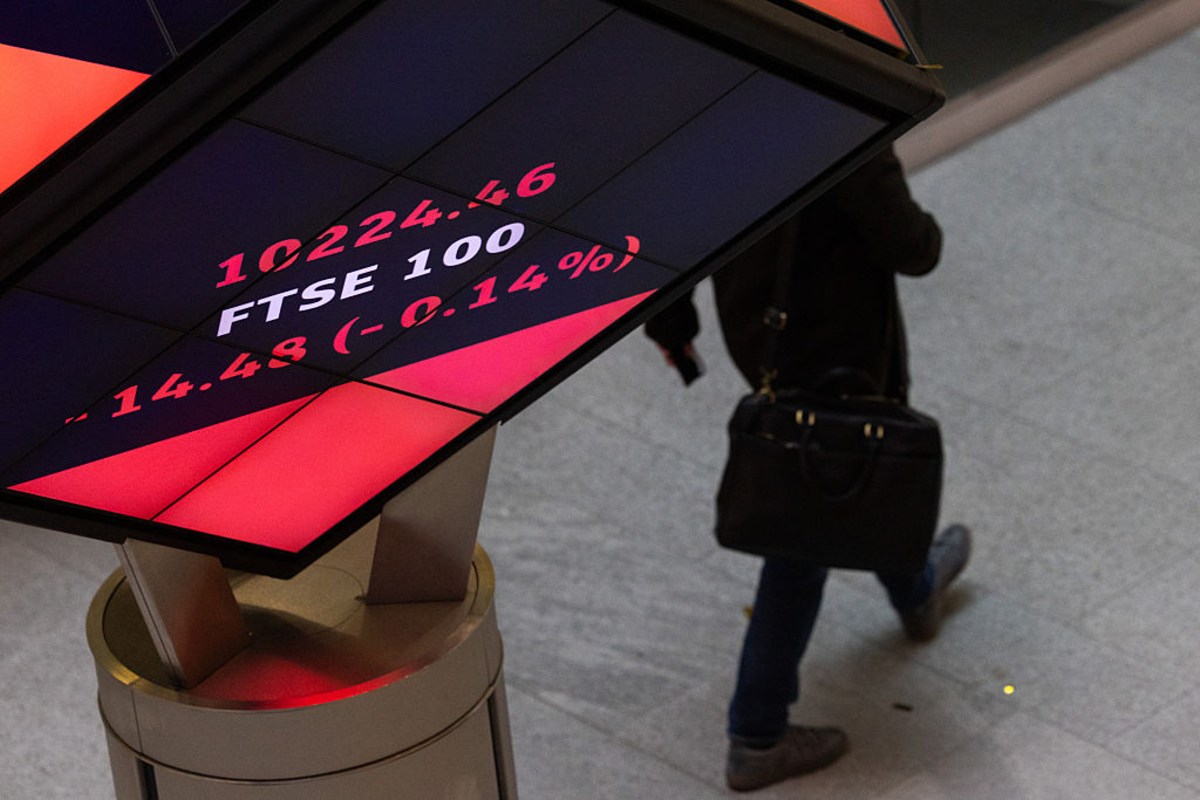
The FTSE 100, a key index of London's blue-chip companies, experienced its most significant single-day decline since May following a widespread sell-off in European markets. This drop of two percent in early trading wiped out all the index's gains from the third quarter in just one morning. Analysts attribute this market turmoil to a surge in energy prices and exacerbated strain on government bonds.
The decline was not limited to the UK; French, Dutch, and German markets also suffered substantial losses. Bank shares, including Standard Chartered, HSBC, and NatWest, led the pack with declines exceeding three percent. Constructions firms such as Weir and Barratt Redrow also faced steep losses as traders anticipated prolonged high energy prices.
The root cause of this sell-off lies in the global bond market's instability. Persistent inflation, driven by the ongoing war in Iran and the substantial budget deficits of western governments, has prompted investors to withdraw from long-term government debt. Mohit Kumar, a European economist at Jefferies, expressed greater concern over these deficits than inflation, stating that over the next six to twelve months, they are confident that oil prices will return to normal.
However, they see no signs of major economies taking measures to reduce their deficits, with the U.S. mid-term elections and Europe's heavy electoral cycle suggesting deficits will remain a pressing issue in 2027.
The rising borrowing costs exacerbate investor worries over the financial health of western economies. As tensions in the Middle East persist, they have contributed to the heightened volatility. The yield on the UK's 30-year government bond, a key indicator of the country's long-term borrowing capacity, surpassed six percent for the first time since the turn of the century.
Written by urgent.news from City AM's reporting — not their text. Machine-written — may contain errors; check the original before relying on it.