From farm to classroom: Mahatma Gandhi’s vision for basic education and future of agricultural learning
The objective is not merely to prepare agriculture graduates as job seekers, but to equip them with the skills to solve problems, innovate and create employment and entrepreneurial opportunities.
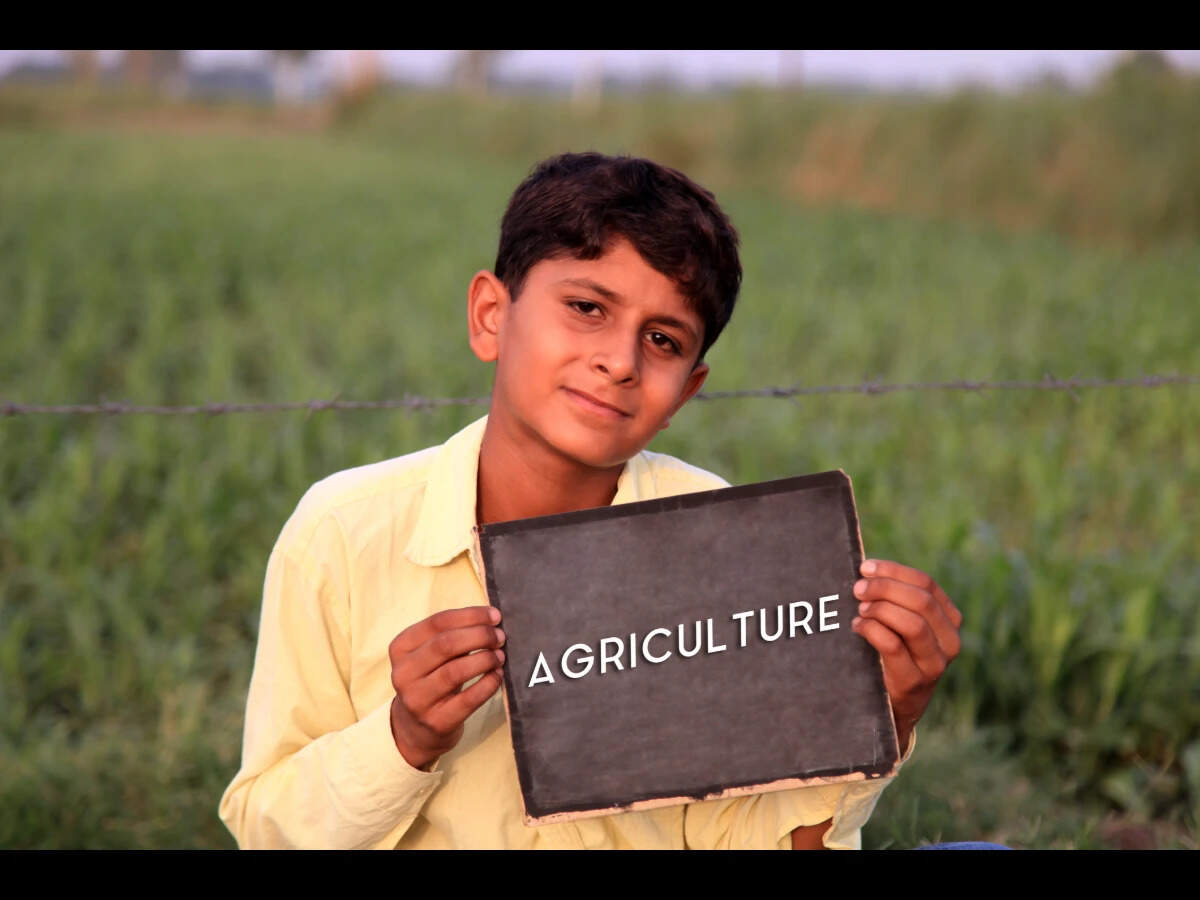
October 2 is not just a day to remember Mahatma Gandhi's birthday; it is a chance to consider his ideas in today's world and how they can guide India's future. Gandhi believed in an India that is self-sufficient, values hard work, is economically strong, and relies on its villages. He saw education as a key tool for achieving this vision. He wanted education that not only made people think but also made them skilled and compassionate.
Gandhi's concept of Nai Talim, or Basic Education, aimed to connect learning with real life and practical work. He saw agriculture, gardening, crafts, and other local activities as not just ways to make a living but as opportunities for learning. In his view, the farm could function as a classroom, and the farmer could be a teacher. He believed that understanding the process of food production from seed to harvest would help children learn science, math, economics, and social values.
Now, as India's agriculture faces new challenges like climate change, soil issues, and the need for more farmers, Gandhi's vision is more relevant than ever. These challenges cannot be solved in classrooms alone. India needs an education system that bridges the school and the farm, bringing together scientific knowledge with the needs of society.
Indian agricultural education institutions are working towards this by encouraging students to experience real agricultural settings. Programs like the Student READY initiative, Rural Agricultural Work Experience, and internships help students connect theory with practice. This approach not only prepares students for careers but also instills empathy and a deeper understanding of farming realities.
Education should start at a young age. Simple activities like creating nutrition gardens, studying local crops, and learning about sustainable farming can introduce children to agriculture. Institutions like ICAR's Krishi Vigyan Kendras can expand these experiential programs for school students. By creating a continuous cycle—from school to farm, from farm to university, and back to the farmer—India can embody Gandhi's vision of Basic Education.
Gandhi also emphasized the importance of locality and self-reliance. The focus on sustainable agriculture, resource conservation, and local production aligns with this principle. By integrating traditional agricultural knowledge with modern scientific research, India can create a more resilient agricultural system. The goal is not to pick between old and new but to blend the best of both worlds through scientific research and innovation.
As agricultural education evolves to meet the demands of today, it is important to focus on skills like critical thinking, creativity, communication, and problem-solving. With the rise of technology in agriculture, like AI, drones, and biotechnology, there is a need for a technology-oriented education that empowers people and society, guided by Gandhi's principle of technology serving humanity.
Written by urgent.news from The Economic Times - Economy's reporting — not their text. Machine-written — may contain errors; check the original before relying on it.