For the history of religion, and the practice of history, India must protect its archives
Two seemingly unrelated news stories caught my attention while drafting this piece. The first hailed from the University of Nottingham's Manuscript and Special Collections, which highlighted that in 17th century East Midlands, England, there were approximately 45 Parish libraries, of which only 25 still exist today. These libraries, established within churches, were private collections belonging to individual clergy members.
The university's Manuscript and Special Collections division is currently organizing an exhibition, titled "Secret and Sacred Libraries," to make these ecclesiastical book collections accessible to a wider audience. It's encouraging to see historic libraries and collections being celebrated for their preservation.
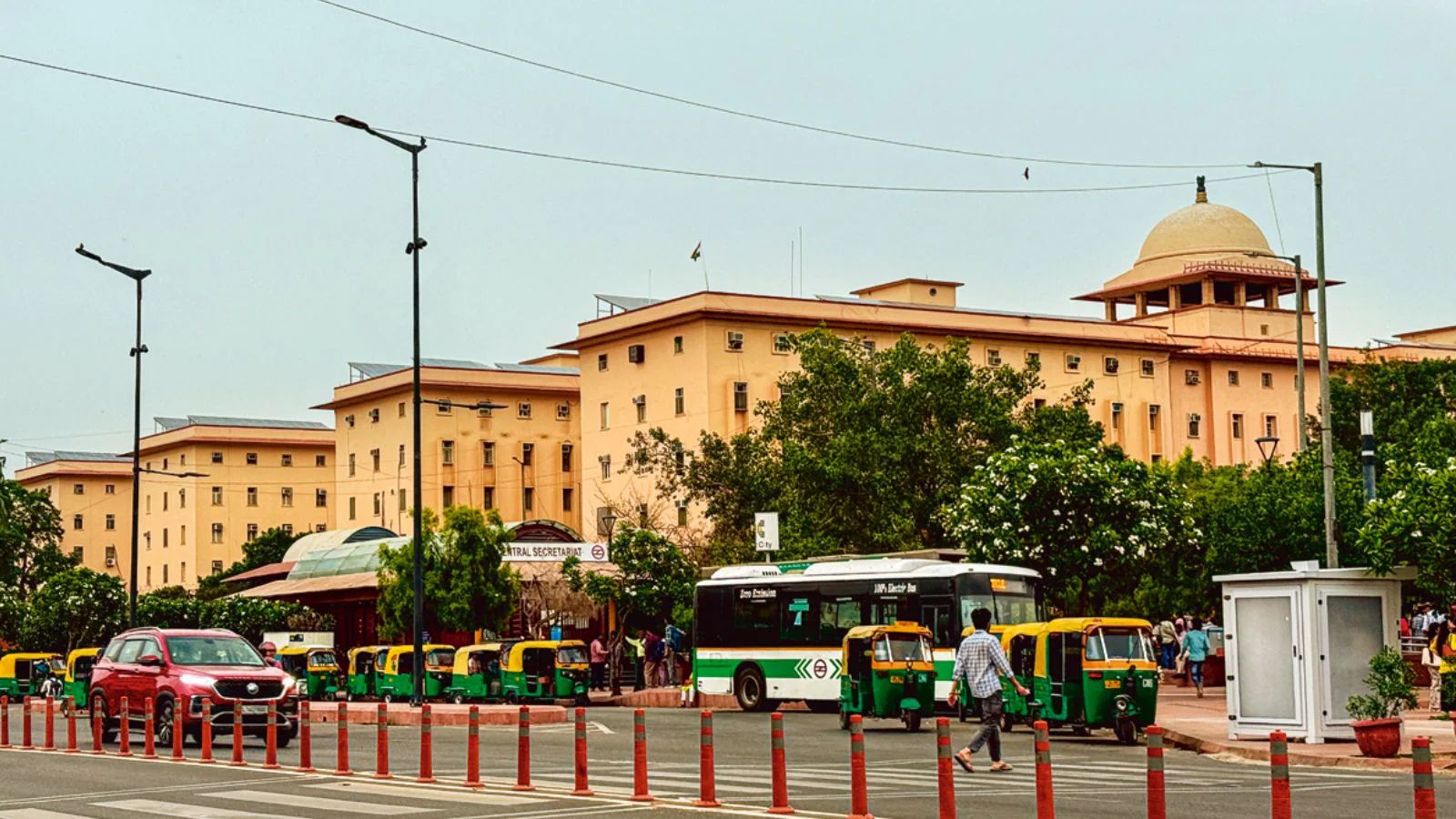
On the other hand, a rather disheartening story emerged from India. The Indian Express reported on over 200,000 books from the Tulsi Sadan Library, a library under the Indian Union Ministry of Culture, that have been without a permanent home for the past 15 years. These books were scattered in boxes and are waiting for proper shelves and readers, as they were displaced from the National School of Drama in New Delhi in 2011 when the institution was demolished to make way for a Delhi metro station.
Established in 1972 to commemorate the 400th anniversary of Ramcharitmanas, Tulsi Sadan Library houses rare and special books in 14 Indian languages.
Libraries and archives are not invulnerable to disruption or temporary closures. However, when they are not promptly reinstated in a suitable location, they lose their value and significance. These institutions have a rhythm that resonates with readers, each with their own patterns of reading, writing, and engaging with historical collections.
When this rhythm is disrupted, not only does the library lose its primary audience, but also those who can provide context to its collections within the broader literary and historical landscape. Rare and local book collections, such as the Tulsi Sadan Library, the Munshi Nawal Kishore Press in Lucknow (founded in 1858), and the rare books from the Rampur Raza Library in Uttar Pradesh, serve as vital windows into the world that may have vanished, yet continue to define us as individuals, our thoughts, and our behavior.
History lives within us, and the only ways to access its profound depths are through rare books, our built heritage, and our collective memory, which is gradually fading away. We must act before it's too late.
While it's natural to lament such loss, I wish to propose practical measures that governments, heritage bodies, and libraries and archives can take. Firstly, we must safeguard the unique nature of rare books by preserving them as they are. Training and employing skilled archivists is crucial, as is digitizing historical works to make them more accessible.
However, digitization alone does not guarantee easy access; proper software platforms must be implemented to classify and search records, trained and passionate archivists must be available to welcome readers, and bureaucratic hurdles must be minimized for convenient access to collections. By making India a knowledge hub, we must strive for "knowledge without barriers."
Written by urgent.news from The Indian Express's reporting — not their text. Machine-written — may contain errors; check the original before relying on it.