European stocks slip to three-month lows as global yields surge
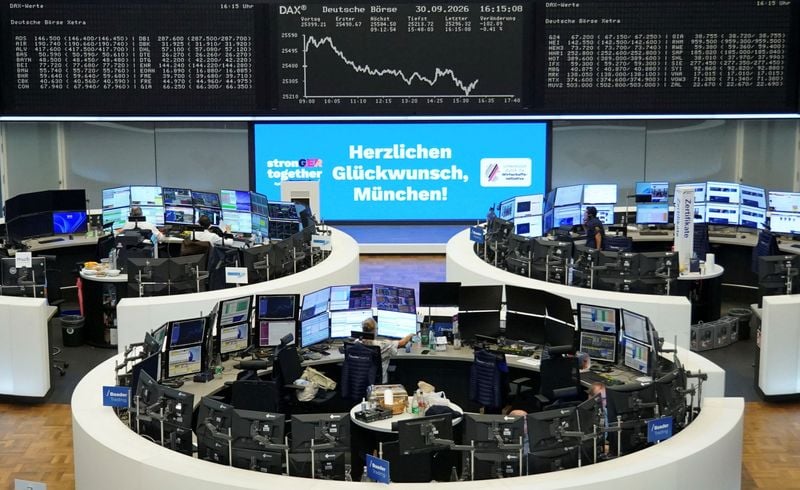
European equities plunged to their lowest three-month levels on Thursday as investors became increasingly risk-averse, with global government bond yields reaching multi-year peaks. The pan-European STOXX 600 index fell 1.4% to 626.29 points, a level not seen in over three months. Across all European sectors, declines were evident, with banks experiencing their steepest one-day percentage drop since July 8, down 3.2%, and miners shedding 2%.
The surge in global bond yields can be attributed to investors offloading government debt, while escalating energy costs have triggered inflation concerns and bolstered optimism about the AI-driven economy, reinforcing predictions that interest rates may remain elevated for an extended period. Elevated rates increase borrowing expenses for businesses and homeowners, and elevate governments' interest burdens.
Germany's 10-year government bond yield, serving as the euro area's benchmark, increased by one basis point following its peak at 3.6526% earlier in the week, the highest level observed since June 2009. French 10-year government bond yield soared to its highest level since 2002 as the government prepared to release its 2027 budget later that day.
CAC 40 fell 1.4%. The future trajectory of equities is heavily influenced by the course of interest rates, with investors evaluating whether heightened borrowing costs and surging energy prices will outweigh any signs of euro zone economy resilience. This higher-for-longer rates scenario is further supported by data indicating that German inflation slightly outpaced expectations in September.
The unexpected surge in headline inflation suggests the possibility of additional rate hikes by the ECB. However, spillovers to core inflation remain limited. This information, according to Danske Bank analysts, indicates the possibility of less aggressive rate tightening than currently anticipated. Factory activity in the euro zone maintained its upward trajectory in September, reaching its briskest pace in over four years, as per S&P Global's survey.
Oil prices remained stable, buoyed by recovering Gulf crude exports and a surprise rise in US inventories, which helped alleviate supply concerns. Among individual stocks, Zealand Pharma plummeted 8.8%, marking the worst performer in the STOXX 600, following negative trial results for Boehringer Ingelheim's obesity drug survodutide. UK's Gamma fell 2.6% after Dutch private equity firm Waterland abandoned its takeover bid.
Written by urgent.news from Investing.com's reporting — not their text. Machine-written — may contain errors; check the original before relying on it.
This story
This is one outlet's version. Read the fullest account.