Energiewende: Bundesnetzagentur erleichtert Stromhandel mit Heimspeichern
Neue Regeln sollen helfen, dass Millionen Haushalte ihren Batteriespeicher flexibler nutzen und damit Geld sparen können. Auch das Zwei-Richtungs-Laden von Autos soll damit attraktiver werden.
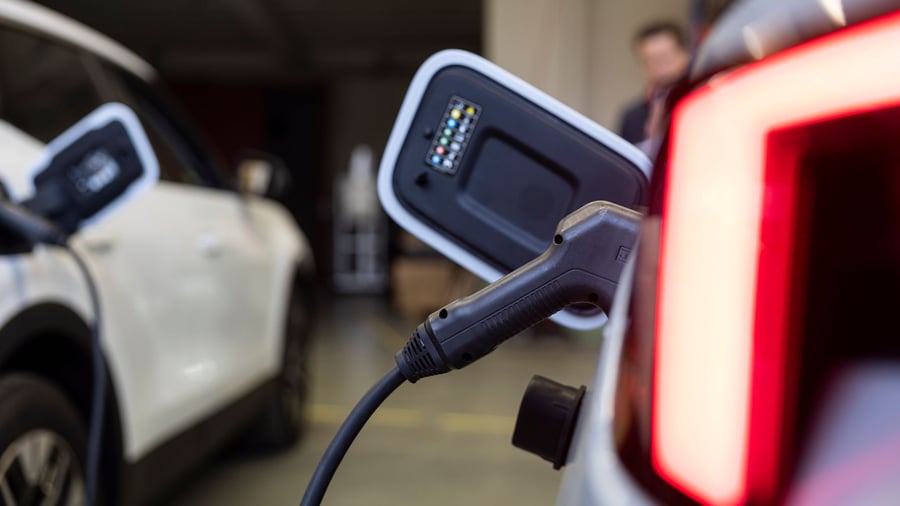
The German Federal Network Agency has introduced new rules to facilitate the integration of home battery storage systems and bidirectional charging points in the electricity market. These regulations, known as "MiSpeL" (Market Integration of Storage Systems and Charging Points), will allow households and businesses to more easily participate in the energy market by storing and using excess solar power or charging electric vehicles.
Previously, household-generated green energy from solar panels and grid electricity needed to be stored separately, with only pure green energy storage eligible for subsidies under the Renewable Energy Sources Act (EEG). The new rules eliminate this strict separation, enabling both solar-generated power and stored energy to be used for feeding back into the grid.
Under the new regulations, both residential and commercial entities can benefit from their own storage systems and bidirectional chargers. The Bundesnetzagentur expects this to boost the electricity market and the integration of renewable energy sources. The implementation of these rules is set to take place over the next twelve months, with certain aspects possibly requiring approval from the European Commission.
Notably, the new rules will maintain the existing EEG subsidies for stored renewable energy, including energy stored for later use. Additionally, subsidies will be provided for the use of stored grid electricity, reducing the need for compensation and network charges when using grid energy. The amounts fed back into the grid will be credited accordingly.
The MiSpeL framework aims to activate numerous storage systems and charging points across Germany, turning millions of active households into key players in the energy transition. By allowing bidirectional charging, Germany aims to become a pioneer in this area, potentially setting a global example. The German automobile industry is expected to show increased engagement to make bidirectional charging a top priority in the country.
Written by urgent.news from Handelsblatt's reporting — not their text. Machine-written — may contain errors; check the original before relying on it.