Electricity Theft Is Rampant, but Delhi Found a Fix
It’s disheartening how much power gets generated and then promptly lost as it travels through grid networks. Th is leaking of electricity happens when it vanishes as heat as w ell as whe n it is pilfered by thieves and nonpaying customers. More than half of the countries that track these metrics lost at least 10 percent of the ir electricity in 2023, according to the World Bank. Losses topped 20…
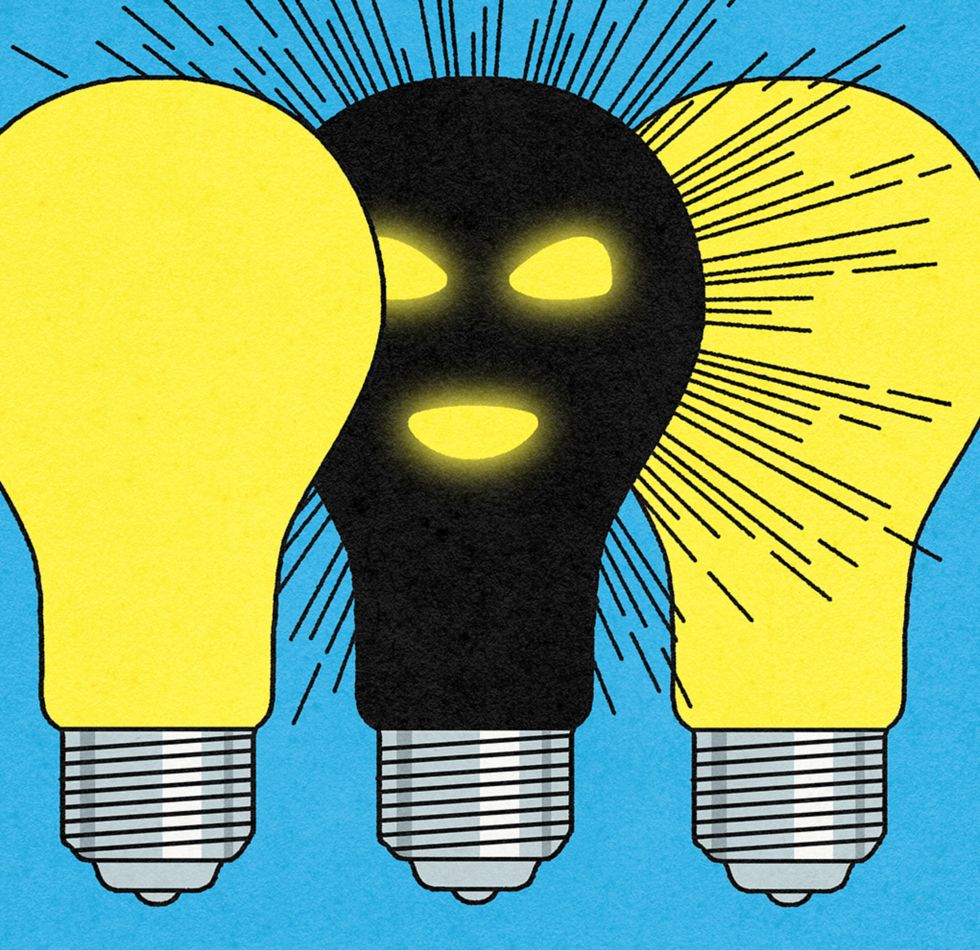
Electricity losses occur when generated power is wasted as heat or stolen by thieves and nonpaying customers. Over half of the countries that track these metrics experienced at least a 10% loss in 2023, with 24 countries losing more than 20%. Some nations even faced losses exceeding half of their generated electricity. Reducing electricity losses is crucial as demand continues to rise while many grid operators struggle to meet it.
Additionally, losses result in increased greenhouse gas emissions and financial setbacks for power providers, ultimately passed on to consumers.
Fixing a power grid demands a comprehensive approach across various sectors, as there's no single solution. Key steps include updating equipment, agreeing on reforms, revising regulations, investing, and changing cultures. Delhi, through a 25-year effort, managed to cut electricity losses from around 50% to just 5%. Electrical engineer Mini Shaji Thomas, a resident of Delhi since the 1990s, provides an insider's perspective on the city's remarkable success in "The Epic Comeback of Delhi’s Power Grid."
Delhi's success story stands out, but other regions have also made significant strides in reducing electricity losses. Georgia's losses decreased from over 16% in 2002 to about 8% in 2023, while Singapore reduced its losses from 6.6% to an almost negligible 0.2% in the same period. However, many regions worldwide still grapple with high electricity losses or worsening issues.
Jamaica, for instance, has maintained losses between 21 and 28% for years due to insufficient capital for maintenance and upgrades, as well as delayed smart meter installations that enable easier theft and meter tampering.
Thomas hopes her account of Delhi's grid comeback will inspire other regions to replicate the sweeping changes the city implemented. While success requires a collective effort from all stakeholders, including customers, utilities, governments, and their employees, it remains possible to achieve a similar turnaround with a concerted and coordinated approach.
Written by urgent.news from IEEE Spectrum's reporting — not their text. Machine-written — may contain errors; check the original before relying on it.