Earth’s geographic poles wander more than we had thought
A phenomenon known as true polar wander, different to the movement of the magnetic poles, may be more common and more dramatic than previously known
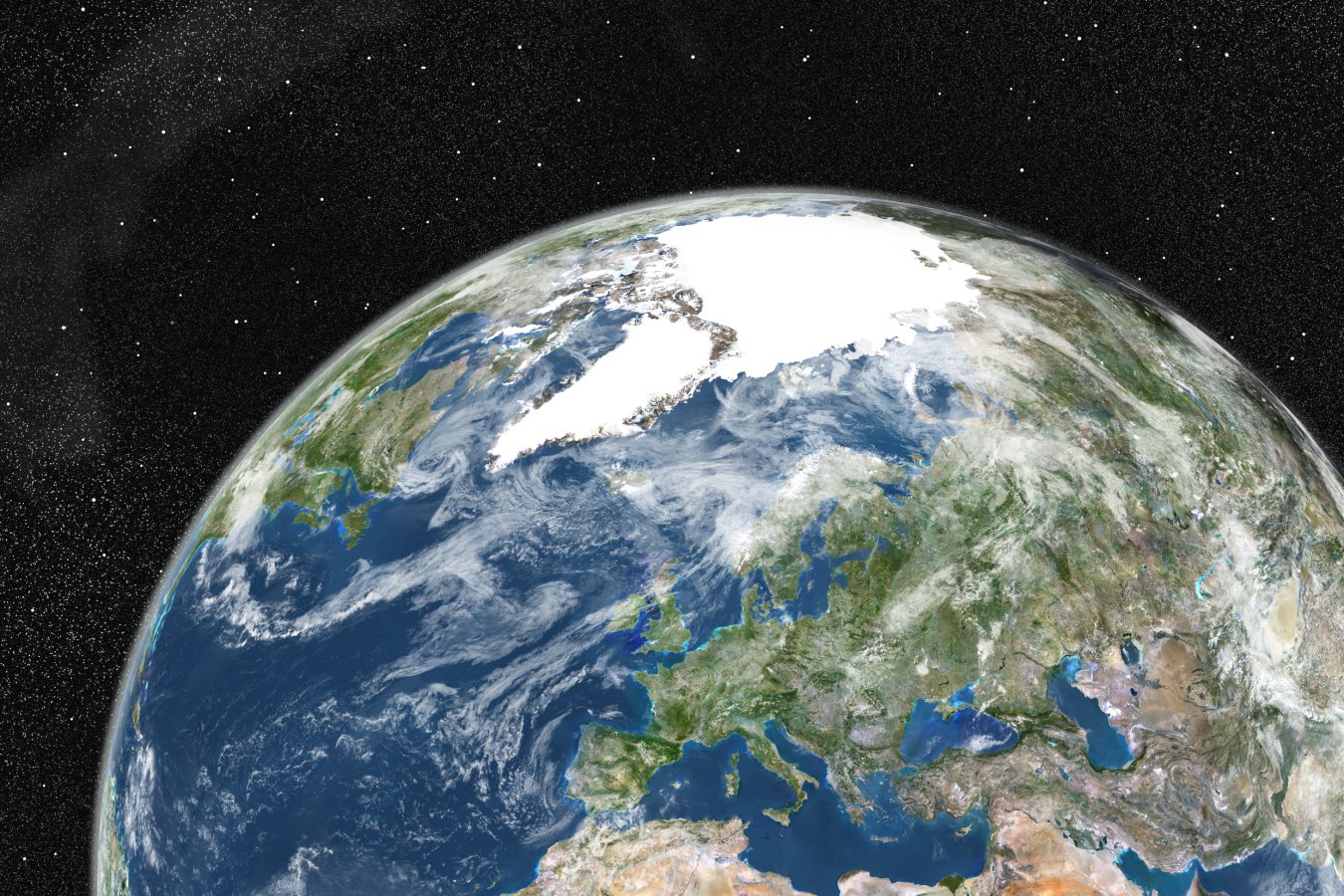
The Earth's geographic poles – the points where the planet's imaginary rotation axis is located – may be less stable than previously believed, according to a new study. Earth possesses two primary sets of poles: magnetic poles driven by its magnetic field, and geographic poles dictated by its rotation. Although magnetic poles are known to move frequently, the geographic poles are typically much more stationary.
However, they can undergo a phenomenon called true polar wander, wherein the solid outer layers of the globe shift to restore a stable spin equilibrium.
This movement, driven by plate tectonics and mantle convection, can alter the distribution of land and sea over geological timescales. Until now, most evidence for true polar-wander events has been inferred from ancient magnetic data found in rocks millions of years old, leading to conflicting results about their frequency and scale.
To delve deeper, researchers analyzed the geological record of sea-level changes and identified specific patterns indicative of true polar-wander events. As ocean water adapts more rapidly to changes in centrifugal potential compared to the rocky sea floor, true polar-wander events would leave a distinct global pattern. Sea levels would rise in one hemisphere while falling in the other, with a reversed pattern in the southern hemisphere.
Through their analysis, the researchers discovered that the Earth's geographic poles underwent significant movements over approximately 10 million years, occurring four times in the past. These events were faster than the rate at which most tectonic plates move, potentially impacting climate systems. While these movements may not be noticeable on human timescales, they could have long-term effects on Earth's climate and geography.
Written by urgent.news from New Scientist's reporting — not their text. Machine-written — may contain errors; check the original before relying on it.