Dolphins keep their social and hunting lives in separate waters, study finds
Dolphins, it turns out, don’t like to mix business and pleasure. Scientists have found that the marine mammals keep their feeding and hunting areas separate from the places where they socialize with one another. A study published in the journal PeerJ details how a team of researchers listened in on dolphins living along the Atlantic […]
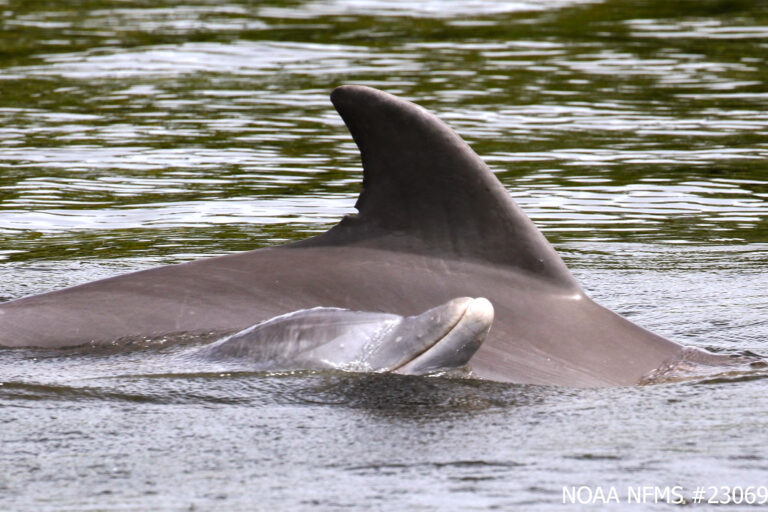
Dolphins maintain separate regions for socializing and hunting, according to a recent study published in the journal PeerJ. Researchers from the Harbor Branch Oceanographic Institute at Florida Atlantic University recorded and analyzed the marine mammals' behavior along the Atlantic coast of Florida. The team employed an acoustic wave glider, a solar-powered autonomous marine vehicle, to gather audio data over a two-month period.
The glider, which can stay at sea on its own for extended periods due to its solar power and wave action propulsion, captured 62 hours of underwater audio and environmental data such as water temperature, salinity, turbidity, and chlorophyll-a concentration. The study found that dolphins produced over 1,600 recordings, which were classified into whistles for communication and rapid clicking sounds for hunting.
The findings reveal that dolphins have distinct habitats corresponding to different behaviors, providing evidence of acoustic habitat differentiation.
Written by urgent.news from Mongabay's reporting — not their text. Machine-written — may contain errors; check the original before relying on it.