CSOs urge government to review 10,000 sq km offshore gold licences over fisheries concerns
Civil Society Organisations (CSOs) working in the fisheries and coastal sectors have called on the government to urgently review offshore gold reconnaissance activities along Ghana’s western continental coast.
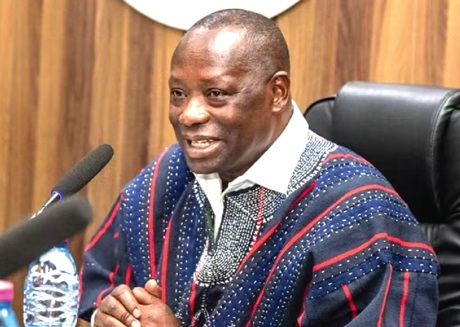
Civil Society Organisations (CSOs) have urged the Ghanaian government to urgently review 10,000 square kilometres of offshore gold reconnaissance licences along the western continental coast. In an open letter to President John Dramani Mahama, the groups expressed concerns over potential negative impacts on fisheries, marine ecosystems, and coastal livelihoods.
They emphasized that while they support responsible investment, decisions regarding the ocean space must prioritize the protection of fisheries, biodiversity, food security, human rights, and coastal communities. The CSOs cited information from GoldCoast Resource Corp., which revealed that the company holds 10 offshore reconnaissance licences covering approximately 10,000 square kilometres along the coast between Half-Assini and Winneba, extending about 300 kilometres and approximately 33 kilometres offshore.
They noted that portions of the licensed area fall within Ghana's Inshore Exclusion Zone (IEZ), which, under the Fisheries and Aquaculture Act 2025, extends from the coastline to 12 nautical miles offshore. However, they stressed that the precise extent of any overlap could only be determined once official cadastral coordinates and licence instruments were made public.
The companies had already gathered 50,000 line-kilometres of airborne magnetic data and planned to conduct marine bathymetric and seismic surveys, followed by vibro-core drilling and bulk seabed sampling. The CSOs raised legal concerns, citing Sections 32(3) and 99(6) of the Minerals and Mining Act, 2006 (Act 703), which prohibit holders of reconnaissance licences from drilling or excavating and make it an offence to use floating platforms or other equipment for mining or dredging in Ghana's natural water bodies.
They also emphasized the need for the government to consider the impact of these activities on Ghana's efforts to rebuild depleted fish stocks, protect marine habitats, and safeguard coastal livelihoods, as outlined in the Marine Fisheries Management Plan 2022–2026 and the 2022 Canoe Frame Survey.
Written by urgent.news from MyJoyOnline Ghana's reporting — not their text. Machine-written — may contain errors; check the original before relying on it.