Colombia Resumed International Operations to Dispose of Hazardous Waste
Colombia resumed, after eight years, international operations to advance the elimination of hazardous waste, such as polychlorinated biphenyls (PCBs), which require specialized treatments. PCBs are chlorinated organic compounds of synthetic origin, oily resinous liquids or solids, pale yellow in color, with a slight hydrocarbon odor, that have excellent insulating properties, a long useful life…
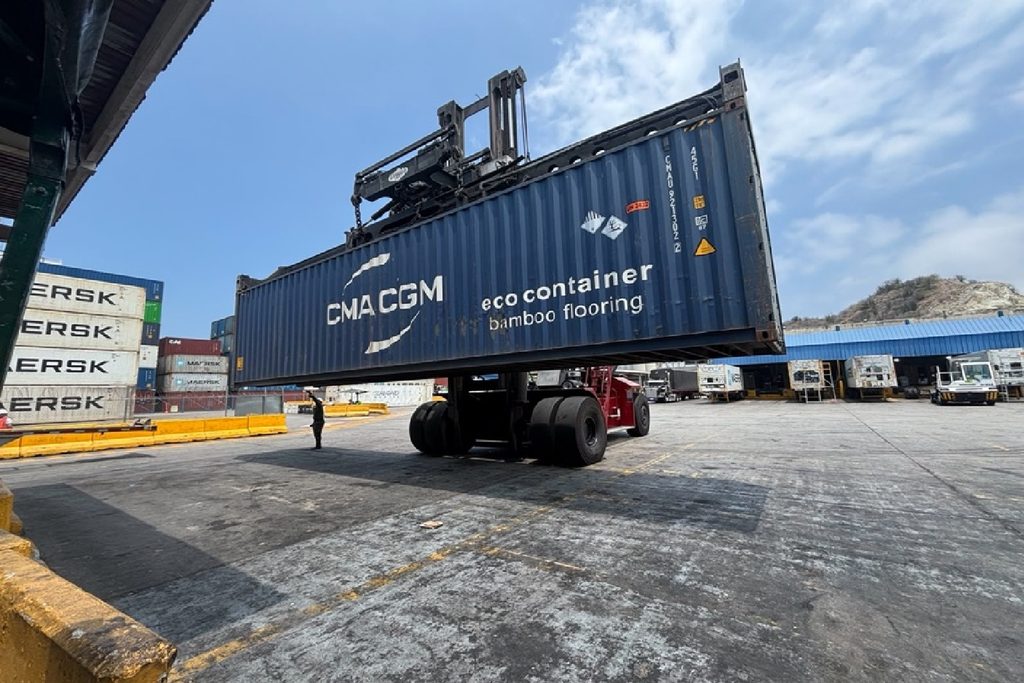
Colombia has restarted international operations to dispose of hazardous waste, specifically polychlorinated biphenyls (PCBs), after a hiatus of eight years. The 300-ton shipment of PCB waste departed from the port of Santa Marta on Wednesday and will be transported to Belgium for specialized disposal processes. PCBs, synthetic organic compounds used in electrical equipment, pose significant environmental risks due to their persistence, long-distance transport, biomagnification, and toxicity.
Colombia has already eliminated 9,400 tons of PCB waste since 2001, with an estimated 860 tons remaining untreated, aiming for complete elimination by 2028. The country's efforts align with the Stockholm Convention on Persistent Organic Pollutants, an international agreement to eliminate such hazardous substances. UNDP, in collaboration with the Global Environment Facility (GEF), has supported Colombia's capacity-building initiatives in PCB management, alongside national and international stakeholders.
The Basel, Rotterdam, and Stockholm conventions recognize Colombia's regulatory framework and technical expertise in PCB handling, facilitating the recent 300-ton shipment. Daniel Gomez Cure, the director of Environmental, Sectoral, and Urban Affairs at the Ministry of Environment and Sustainable Development, emphasized that the Basel Convention's controls ensure the safe disposal of hazardous waste, enabling Colombia to resume these critical international operations and advance towards its 2028 goal.
Written by urgent.news from Colombia One's reporting — not their text. Machine-written — may contain errors; check the original before relying on it.