COLLECTIVE WELLBEING: Renewable energy was promised as a path to prosperity — what happened?
South Africa’s Renewable Energy Independent Power Producer Procurement Programme has delivered infrastructure at scale, but its corporate, market-driven design prioritises private capital accumulation over community development.
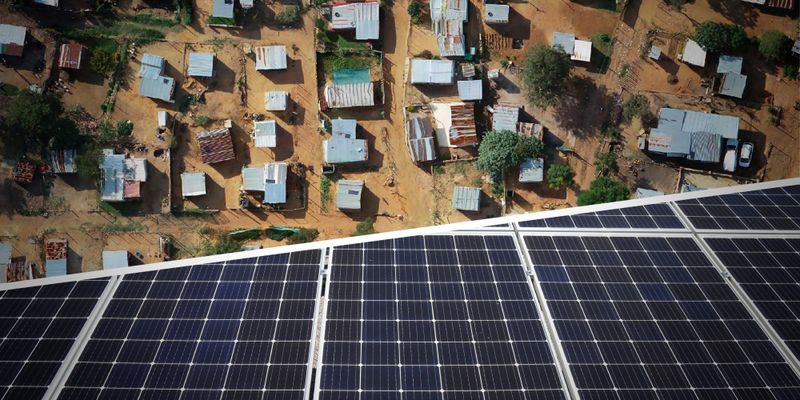
South Africa's Renewable Energy Independent Power Producer Procurement Programme (REIPPPP) has delivered infrastructure at scale, attracting billions of rands in private capital for large wind and solar projects since its launch in 2011. However, this corporate, market-driven design prioritises private capital accumulation over community development, leaving broader societal benefits largely unaddressed.
While the programme boasts over 12,000 MW of closed deals and R40-billion funded across 42 transactions, it has not translated into widespread job creation, local economic development, affordable electricity, or broader prosperity for the communities that host these projects. High unemployment and poverty persist in the Northern and Eastern Cape towns surrounding these renewable energy farms.
Residents often rely on expensive alternatives like firewood, gas, and paraffin for heating homes, as electricity remains too costly.
The REIPPPP model also prioritises large-scale generation and distribution over community-level energy solutions, undermining the potential for affordable, locally-owned power generation. Employment opportunities created by the programme are largely temporary, concentrated during construction, and decline once projects enter operation. This leaves a need for more substantial, sustained interventions to address poverty and unemployment.
At its core, the REIPPPP's corporate, market-focused framework fails to adequately support socioeconomic development. The government's austerity measures and privatization of social services have further eroded the wellbeing of marginalised communities and workers. Energy privatization, in particular, has led to higher electricity prices and reduced accessibility for many South Africans.
To better achieve its goals, the REIPPPP model must shift towards a more diverse local economy, enhanced education and healthcare systems, accountable governance, and ecological restoration. These outcomes demand sustained public investment and the involvement of functioning institutions rather than relying solely on private developers. In the case of the Tsitsikamma Community Wind Farm, which is built on reclaimed communal land with community participation, we see the limits of this model.
Written by urgent.news from Daily Maverick's reporting — not their text. Machine-written — may contain errors; check the original before relying on it.