Buying gold in the UAE: How making charges affect your profits when selling
Dubai: Gold prices can rise and you can still lose money when selling your jewellery. For UAE residents and tourists buying with future resale in mind, making charges can absorb a substantial part of any gain. The reason is straightforward: your purchase bill covers both the gold and the work involved in producing the ornament. When selling, you should not assume the buyer will reimburse that…
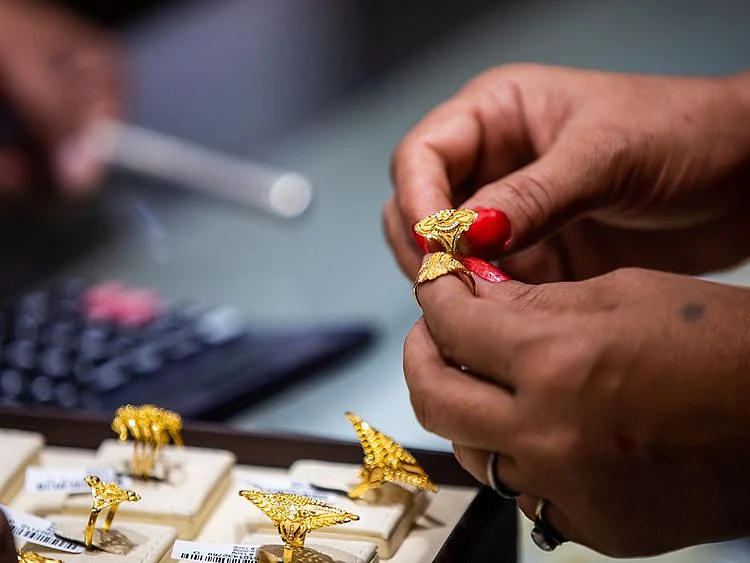
Gold prices can still lead to losses even when selling jewellery in the UAE. This is because the purchase price includes both the gold content and the work that went into crafting the piece. When it comes time to sell, buyers typically do not reimburse the craftsmanship costs. If you are relying on future resale to preserve your savings, you need to understand how gold prices need to rise for you to recoup your initial investment.
For jewelry without embellishments, the bill usually combines the gold content, making charges and value-added tax (VAT). Some pieces may also have separate fees for gemstones or other materials. Retailers display gold prices, but this does not account for the additional charges you will incur. These charges can be expressed as a per-gram fee, a percentage of the gold component, or a flat rate. Be sure to ask the retailer how they determine this charge before comparing offers.
A percentage-based charge will increase in dirham terms when gold prices rise, even if the weight of the piece and the percentage remain the same. A fixed fee does not necessarily increase with the price of gold. Even at current record prices, here's how retailers say you can buy gold. To break even, consider a 20-gram, 22K necklace priced at Dh5,785 for the gold component.
Adding a 20% making charge brings the subtotal to Dh6,942. Adding 5% VAT brings the final bill to Dh7,289.10. If you only receive the original gold component back, you would lose Dh1,504.10—about 20.6% of your purchase price. To recoup your full investment, the gold content would need to rise by 26%, assuming no deductions from the buyer. Even a 10% increase would fall short of covering your initial costs.
Choosing a retailer with lower making charges can help reduce this financial gap. For example, if the making charge is only 5%, the total bill would be Dh6,377.96 after VAT, requiring only a 10.25% rise in gold prices to break even. However, these figures are based on assumptions and do not predict future gold prices or guarantee resale proceeds.
It's important to confirm the shop's buyback terms, as "full gold value" may not always mean you receive cash. Retailers may offer exchange credit towards another purchase instead, which may exclude original making charges and taxes. Always ask for a written policy and keep your invoice.
Written by urgent.news from Gulf News's reporting — not their text. Machine-written — may contain errors; check the original before relying on it.