BOJ debated need for more rate hikes at September meeting, summary shows
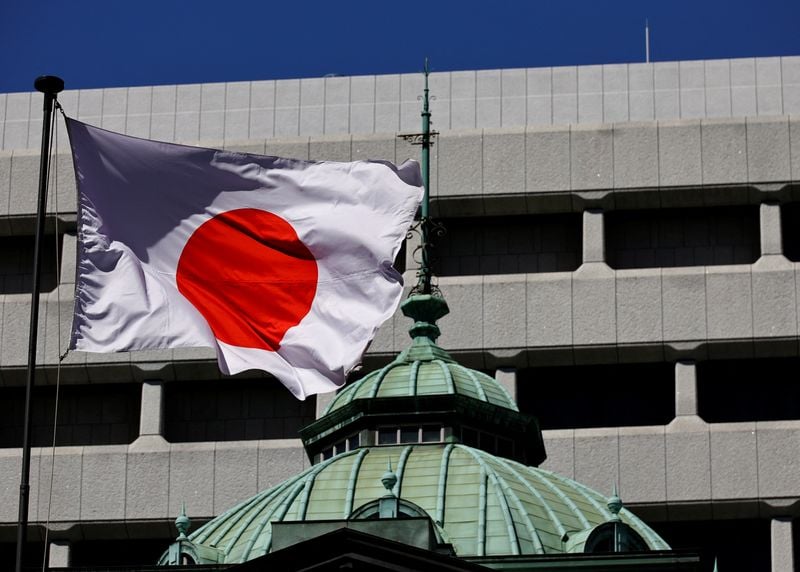
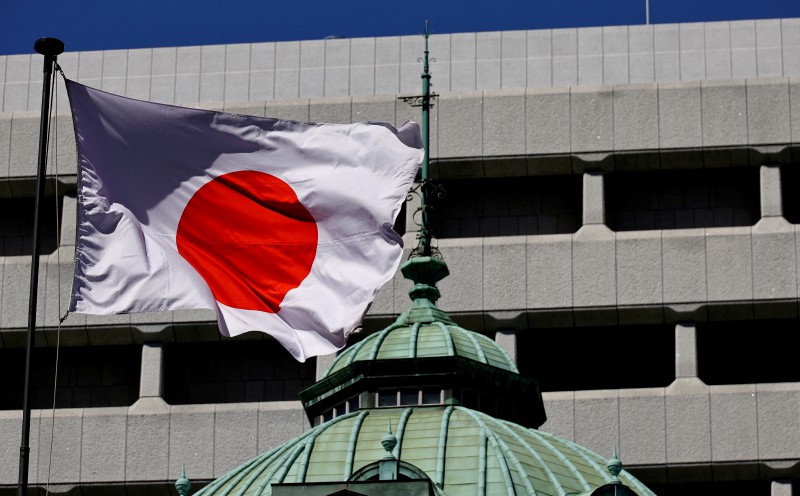
The Bank of Japan (BOJ) engaged in discussions about the necessity for more interest rate hikes during their September meeting, according to a summary of the meeting's opinions released on Thursday. Several policymakers felt the pace of hikes should quicken or be brought nearer to the bank's objective soon, primarily due to mounting inflationary pressures.
One member stated, "If signs of an upward deviation in prices are observed, the Bank will need to accelerate the pace of rate hikes." Another opinion emphasized, "It is desirable for the Bank to bring the policy interest rate closer to the approximate goal relatively soon," highlighting the need for the bank to have room to react to unforeseen economic developments.
The summary also noted that underlying inflation had either reached or was nearing the BOJ's 2% target. While the BOJ did not feel the need for immediate action, it was deemed prudent to raise rates to avoid excessive and sustained price increases. The meeting saw the BOJ raising interest rates to a 31-year high, with the central bank's governor indicating a new focus on preventing inflation from overshooting its target, paving the way for additional rate hikes.
Written by urgent.news from Business Recorder's reporting — not their text. Machine-written — may contain errors; check the original before relying on it.
This story
This is one outlet's version. Read the fullest account.