Benzin und Diesel: Mehr heimischer Kraftstoff: Raffinerien steigern Produktion
In Deutschland ist im ersten Halbjahr mehr Benzin und Diesel hergestellt worden. Was das für die Abhängigkeit von Importen und Preise bedeutet.
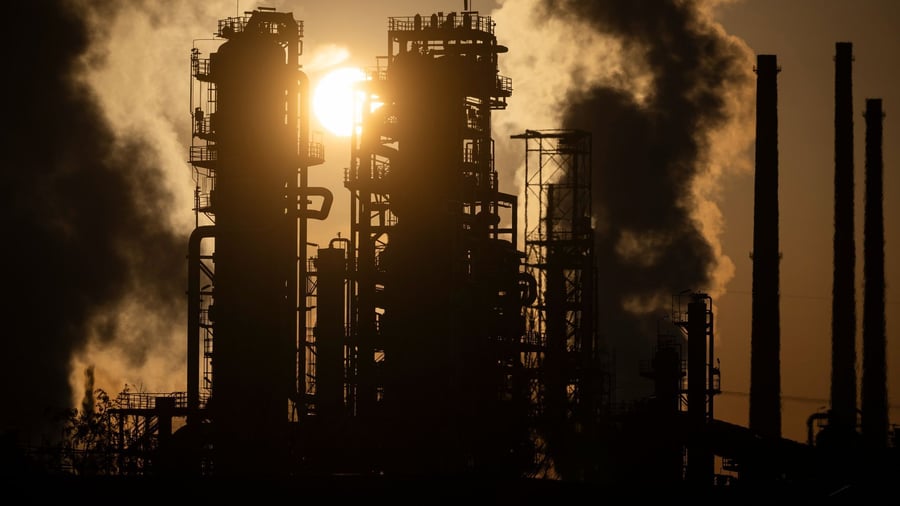
Deutsche raffinerien produced more gasoline and diesel in the first half of 2026, reducing reliance on imports. According to the Federal Statistical Office, 11 million tonnes of petrol, including aircraft fuel, and 15.8 million tonnes of diesel marked a 1.8 percent and 9.4 percent increase respectively compared to the same period last year.
Simultaneously, imports of both petrol (down 23 percent) and diesel (down 23.9 percent) fell by nearly a quarter. However, this savings was limited due to rising global crude oil prices caused by the Iran war: The value of imported petrol was only 2.5 percent lower than the previous year, while diesel was even 5.8 percent more expensive.
The Netherlands was the largest foreign supplier of petrol, accounting for nearly half (52.1 percent) of the total 525,000 tonnes of petrol. Czech raffineries supplied nearly a quarter (26.1 percent) of the petrol, while Austria contributed just under 12 percent. For diesel, Belgium and the Netherlands were the main suppliers, accounting for 55.1 percent and 39.7 percent respectively of the 858,000 tonnes imported.
Overall, Germany exported more fuel than it imported in the first half of 2026. While sales of petrol abroad fell to 1.66 million tonnes, diesel exports increased by 18.7 percent to 2.06 million tonnes compared to the first half of 2025.
Written by urgent.news from Handelsblatt's reporting — not their text. Machine-written — may contain errors; check the original before relying on it.
This story
This is one outlet's version. Read the fullest account.