Australian citrus growers miss out on millions without US export markets
There are calls for government departments to speed up decades-old negotiations as markets in Asian countries worsen and Australia faces citrus oversupply.
Australian citrus growers are missing out on millions of dollars in export earnings due to the lack of access to the United States market. Most of the mandarins harvested in Queensland this season were sent to Asian countries, but the U.S. is the only major market that many growers cannot access. The Citrus Australia industry body estimates that around 30% of Australia's total citrus production area is excluded from exporting to the U.S. due to fruit fly presence.
Citrus Australia CEO Nathan Hancock has mentioned that discussions on gaining market access to the U.S. have been ongoing for decades. In 2015, the U.S. Department of Agriculture completed a risk assessment that favored Australia, and in 2021, a plan was published to authorize citrus exports from parts of inland Queensland, Western Australia, and NSW shires of Burke and Narromine.
However, negotiations have focused on cold treatment for fruit fly, with research showing that refrigerating produce at or below 3 degrees Celsius for 12 to 20 days can prevent egg and larvae survival.
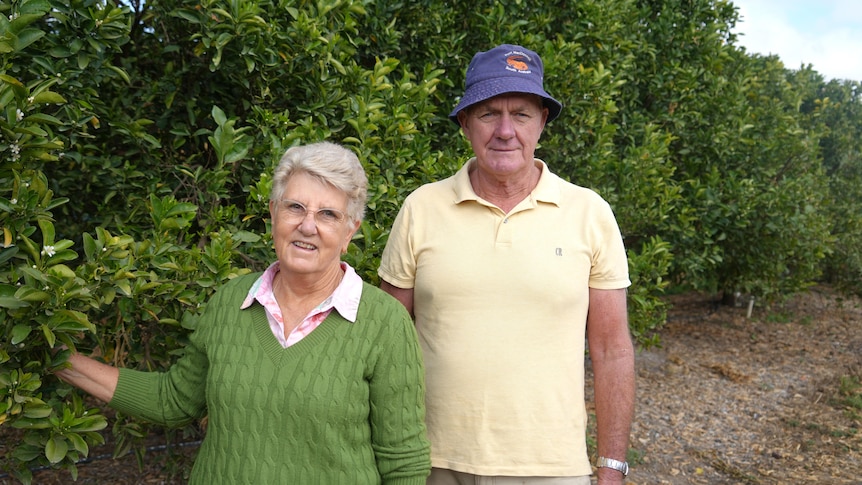
Growers like Allen and Sue Jenkin in Mundubbera, Queensland, are familiar with cold treatment protocols and already utilize temperature-controlled containers for exports to other markets. They have seen destinations fluctuate over the years, from Indonesia to Russia, and now hope for a new market with potential buyers willing to pay the prices needed for their citrus.
Costa Group, Australia's largest citrus producer, had previously assumed exporting to the U.S. would be quick upon purchasing 2PH Farms in Emerald, central Queensland, in 2021. However, they remain hopeful that the 2027 crop could find its way to the U.S. market.
Written by urgent.news from ABC News AU's reporting — not their text. Machine-written — may contain errors; check the original before relying on it.