Asian currencies rangebound as dollar holds near two-month high, yen slips
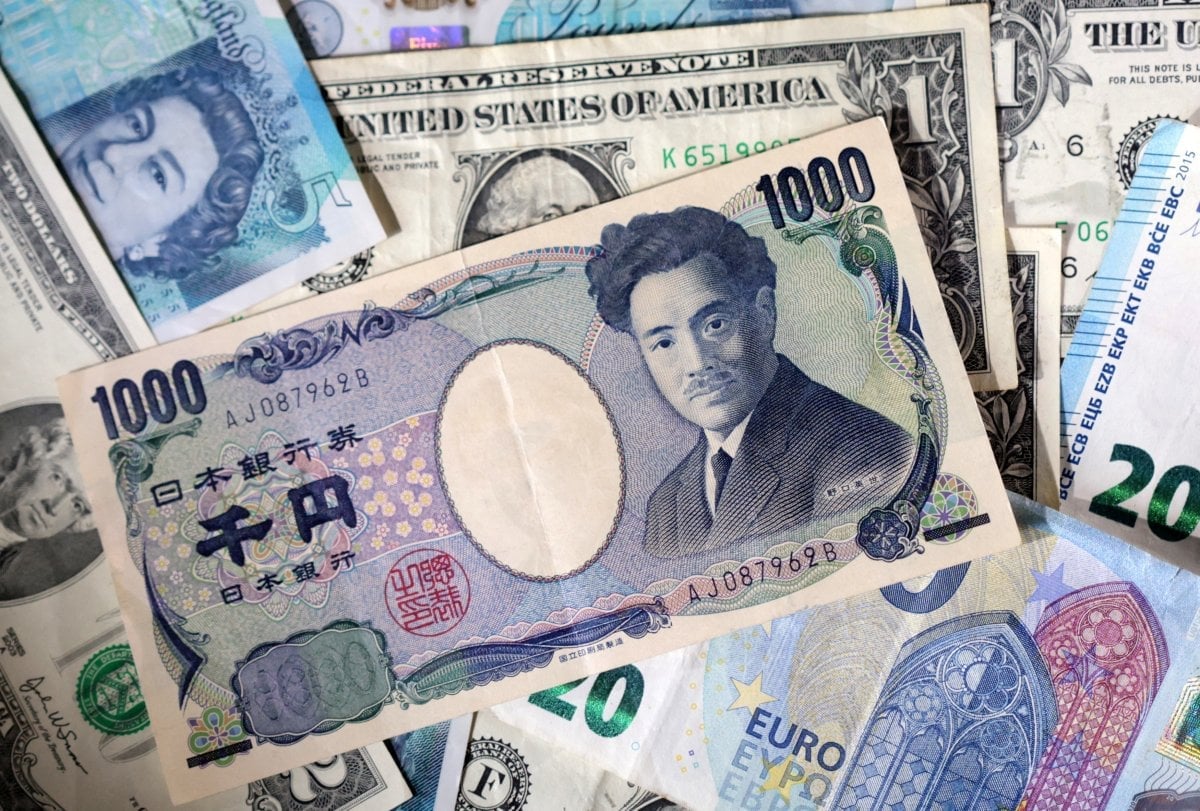
Asian currencies remained rangebound on Thursday as the U.S. dollar maintained near two-month highs, while the Japanese yen slipped following mixed signals from the Bank of Japan's latest policy summary. The U.S. dollar index climbed to 101.62, up 0.2% after gaining approximately 2% in September, marking its strongest monthly performance since June.
Treasury yields, which are higher, continue to bolster the greenback, despite U.S. inflation falling short of expectations and revised data showing a slowdown in July's inflation rates.
The USD/JPY exchange rate increased by 0.5% to 158.24, positioning the yen near a two-week low. Other major Asian currencies, however, remained within their recent ranges, constrained by the dollar's strength. The EUR/USD pair dropped 0.1% to 1.13, contributing to a nearly 2.5% decline in September, marking its steepest monthly loss since July 2025.
The euro has faced pressures stemming from concerns over Europe's debt situation and the impact of surging energy prices, coupled with a sharp rise in euro-zone inflation, raising expectations that the European Central Bank may maintain tight monetary policy.
Precipitous global bond declines in September were driven by deteriorating government finances, extensive debt issuance, and mounting inflation pressures. The yen weakened after the Bank of Japan's September meeting summary revealed conflicting views among policymakers regarding domestic growth strength and the timing of additional rate hikes.
Some BOJ members advocated for a more aggressive pace of hikes or a closer alignment of rates with the central bank's eventual target, while others noted that while second-quarter growth was positive, domestic demand contracted, and the economy may not be expanding robustly or sustainably.
DBS forecasted that Japan would continue to gain from robust external demand fueled by the AI sector, despite uncertainties surrounding the monetary-policy outlook. The AUD/USD pair approached a two-month low of $0.69, pushing the Australian dollar below $0.70. Australia's trade surplus contracted significantly to A$495 million in August from a revised A$1.35 billion in July, well below the roughly A$2 billion economists had anticipated.
This news followed the Reserve Bank of Australia's 25 basis point increase in its cash rate to 4.60%, its highest level since 2011.
Other currency pairs also reflected the dollar's dominance. The USD/CNH pair rose 0.1% to 6.72, while the USD/CNY pair remained steady at 6.70. The Chinese yuan achieved its seventh consecutive quarterly gain against the dollar in its final session before China's National Day holiday. Trading is expected to be lighter as mainland markets are closed from October 1 through October 7, resuming on October 8. Hong Kong markets, too, were closed for National Day, reducing regional liquidity.
South Korea's September exports surged 83.5% year-on-year, exceeding expectations of a 62% increase, reaching a record monthly high. Nevertheless, the South Korean won endured pressure, with the USD/KRW pair up 0.2% to 1,359.80. DBS suggested that the strong export performance would support the currency; however, they do not anticipate the won to replicate its third-quarter gains due to its neutral relative valuation and potential increases in portfolio outflows as hedging activity diminishes.
Written by urgent.news from Investing.com's reporting — not their text. Machine-written — may contain errors; check the original before relying on it.