AI is consuming human knowledge. It should learn how to pay for it
AI agents need a way to pay for the human knowledge they increasingly consume.
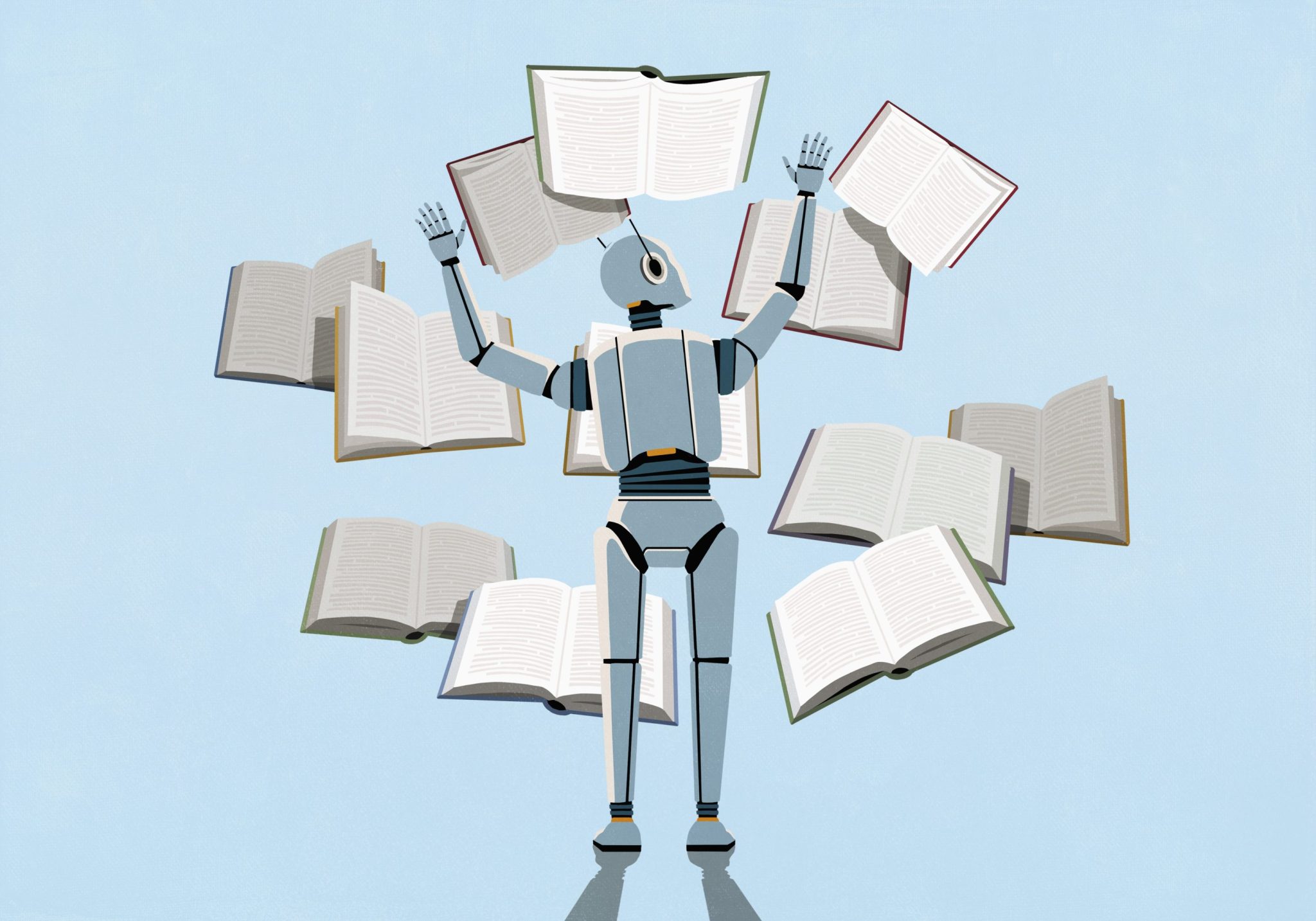
In the legal battle between The New York Times and AI companies OpenAI and Microsoft, a court filing revealed that an OpenAI researcher suggested using a method to bypass the New York Times' paywall. This exchange highlights a fundamental issue in the emerging AI economy: machines are consuming vast amounts of human knowledge, but there is no established system for them to pay for it.
Both publishers and AI companies argue their use is protected by fair use, but courts will ultimately decide. To address this challenge, an architecture is needed that preserves rights, credit, and compensation – elements the internet is fragmenting. A potential solution is micropayments, powered by agentic payments. AI agents could make numerous tiny purchasing decisions programmatically, such as paying for data points or articles.
This approach has been debated, but the convergence of technological and economic factors suggests it may become a significant economic layer. Agentic payments can operate across various financial rails, such as cards, account-to-account payments, and stablecoins. Establishing a trust architecture is crucial, as agents need to verify authority, follow defined mandates, and adhere to spending limits.
This trust architecture could also help resolve copyright issues by embedding machine-readable information about creators, rights holders, and permitted uses into content itself. By shifting the focus from payment to trust and authorization, this new architecture could ensure that creators receive proper recognition and compensation even when their work is utilized by AI agents.
Written by urgent.news from Fortune's reporting — not their text. Machine-written — may contain errors; check the original before relying on it.