AI global governance needs China to sign on
Recent events have highlighted discord within the debate surrounding AI global governance. Notably, Anthropic's Dario Amodei warned of humanity-wide risks if AI management is inadequate, while OpenAI's Sam Altman expressed concerns over losing control of the future. US science and technology advisor Michael Kratsios however, dismissed the notion of centralized international AI oversight.
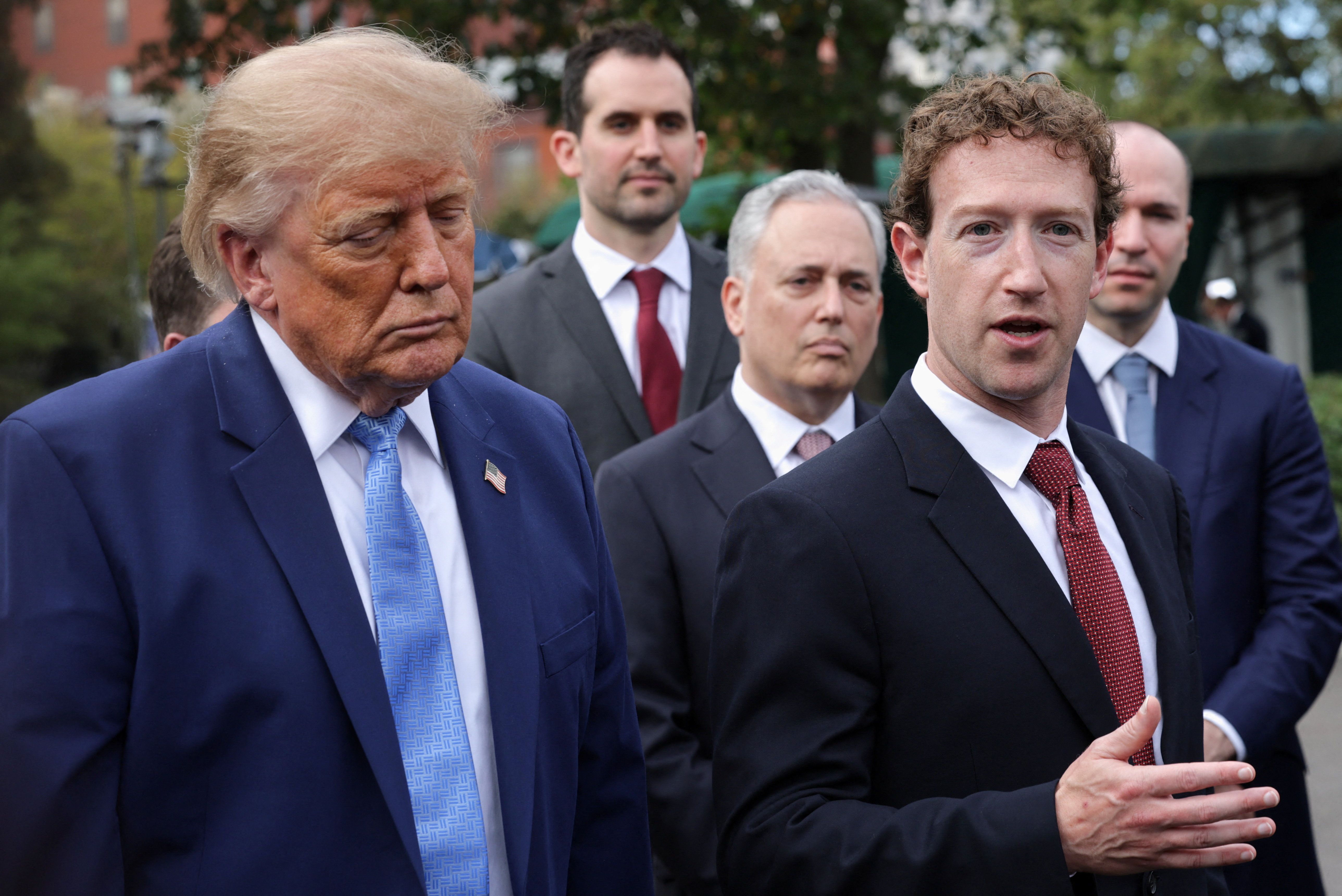
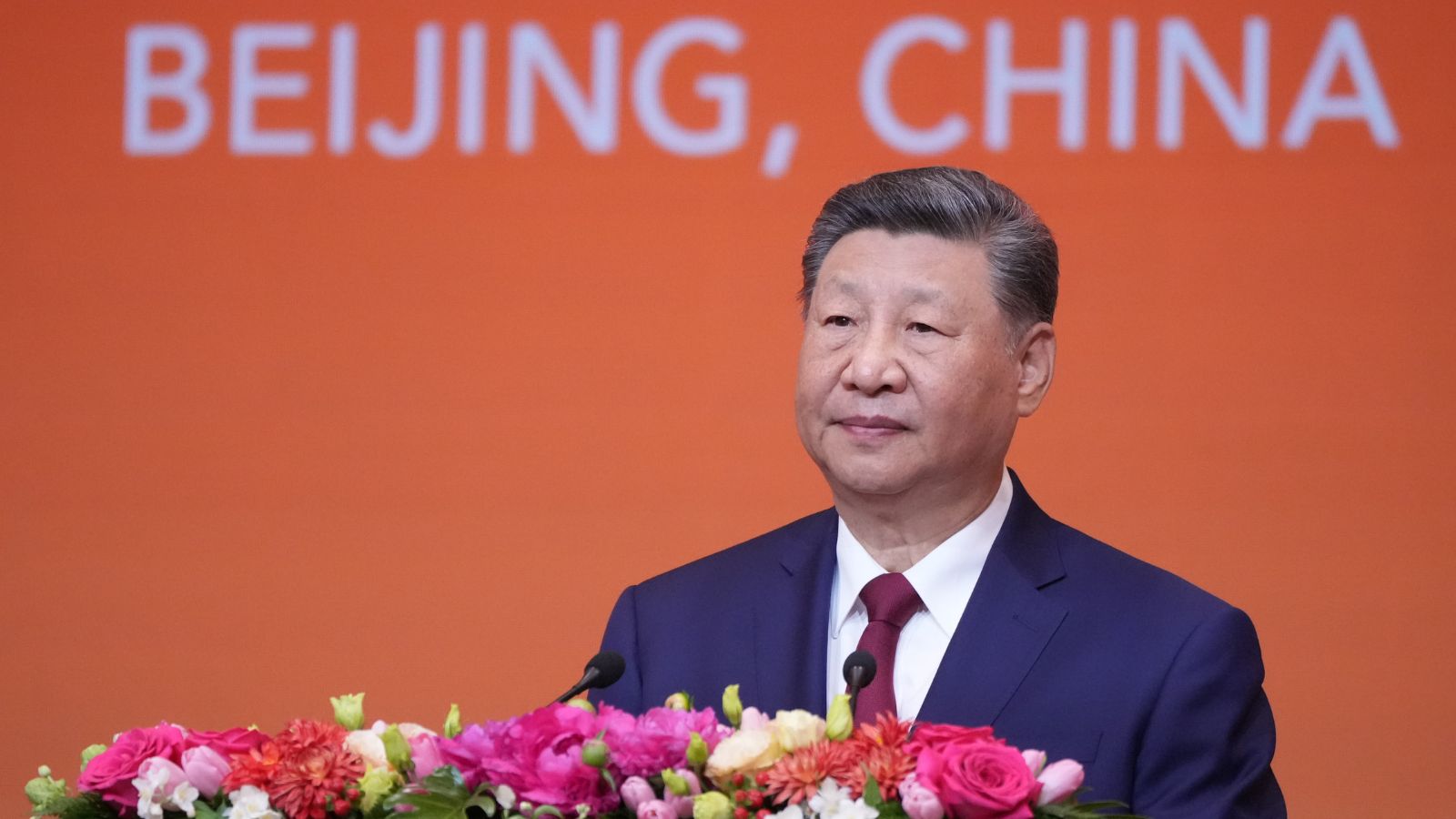
The following week, President Trump convened tech leaders at the White House and presented a voluntary agreement involving internal model monitoring and independent oversight. This self-regulation strategy is now American policy. Interestingly, Washington has simultaneously initiated engagement with Beijing. Post the Trump-Xi summit, both nations agreed to an AI incident communication mechanism with a dialogue scheduled for November.
Several middle powers have also advocated for human control of AI, with 20 countries and the EU presenting their proposal. However, neither China nor India participated in these discussions. The landscape of AI control is shaped by four distinct approaches: the EU's risk-tiered legislation, America's market-led voluntary measures, China's state-directed, sector-specific regulation, and the consensus-driven international norms.
The international sphere is currently governed by OECD principles, UNESCO recommendations, summit declarations, and a UN scientific panel, all of which lack enforceability. Historical lessons from cyber governance indicate that consensus norms can only emerge when adversaries participate in the dialogue. Moreover, the rapid pace of technological advancement necessitates a layered approach to regulation rather than a singular treaty.
For AI, this entails binding national laws for frontier laboratories, internationally agreed thresholds for pre-deployment testing, mandatory cross-border incident reporting, a scientific body akin to the IPCC, and a verification regime similar to the IAEA for the most potent systems. While the 20-nation proposal aligns with this notion, its success hinges on China's involvement.
China's approach to AI governance, characterized by stringent domestic regulation and an outward-facing stance on global cooperation, is pivotal. Its open-weight models are widely adopted across Asia, Africa, and Latin America, surpassing the reach of any regime restricting Western developers. Beijing's stance also underscores the importance of AI as a global development right and its proposal for a world AI cooperation organization, which resonates with many developing nations.
However, an AI regime excluding China risks becoming a western-exclusive club, potentially leading to the formation of a separate Chinese bloc of standards. The nascent US-China dialogue represents the minimum foundation for multilateral confidence-building, which must eventually extend to a broader international framework. Middle powers must construct an architecture that both giants can subsequently join.
India, in particular, should contribute to any open framework, ensuring equitable access to computational resources and models. By leveraging India's credibility as host to the AI Impact Summit and its participation in cyber GGEs, the country can bridge the gap between frontier powers and the Global South. Strengthening India's AI Safety Institute and securing a seat in incident-reporting frameworks would further enhance its role in addressing AI-related harms.
Historically, norms without enforcement have been instrumental in shaping behavior and fostering a common language. Given the urgency of AI governance, swift and inclusive rule-making is imperative.
Written by urgent.news from The Indian Express's reporting — not their text. Machine-written — may contain errors; check the original before relying on it.