After Gestapu monuments a Gestok memorial must follow
Indonesia’s monuments remember the generals slain in 1965, but true democratic strength lies in finally carving out stone for the hundreds of thousands murdered in the purge that followed.
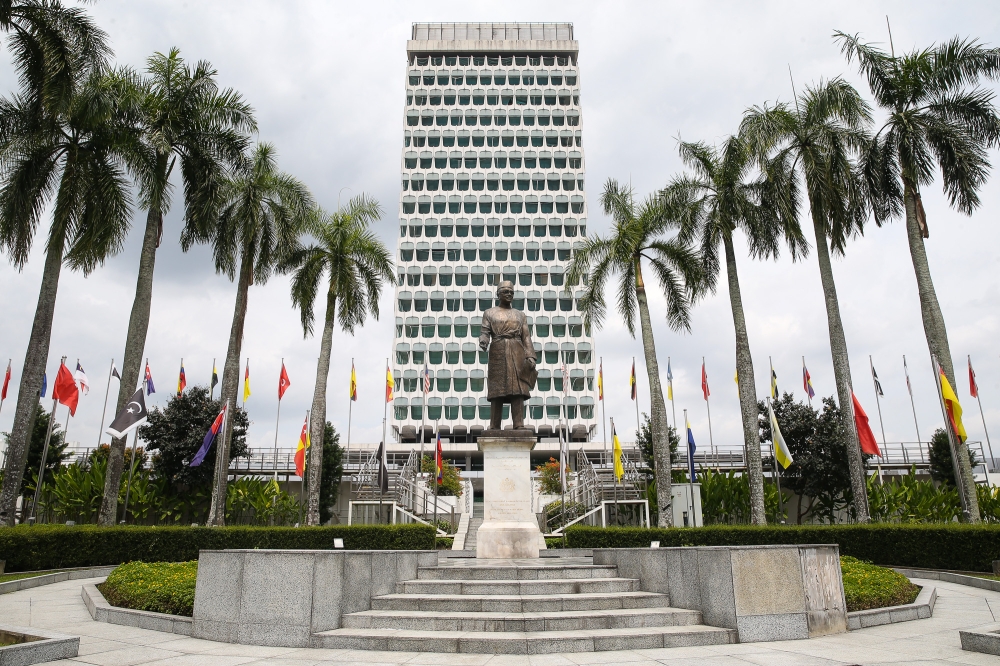
Indonesia's monuments commemorate the generals assassinated in 1965, but the nation's true tribute lies in erecting a memorial for the millions killed during the subsequent campaign of terror. Across the country, statues of the September 30th Movement and its aftermath echo the New Order's narrative: the Communist Party betrayed the nation, the military saved it, and vigilance against communism is a patriotic obligation.
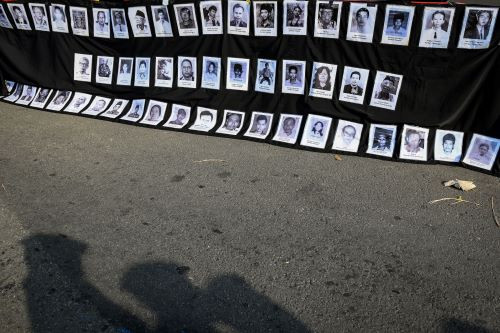
While Indonesia boasts numerous monuments dedicated to the Gestapu, or the September 30th Movement conspiracy, it lacks a national monument honoring the Gestok, or the October First Movement, and its aftermath. The term "Gestok" can encompass both the confusing events of Oct. 1, 1965, and the ensuing wave of mass violence. Over the following months, soldiers, militias, and civilian groups perpetrated widespread murder, imprisoning, torturing, and marginalizing hundreds of thousands of Indonesians.
The victims included not only PKI leaders but also members of Gerwani, women associated with PKI, trade unionists, teachers, artists, ethnic Chinese, left-wing intellectuals, land reform advocates, and countless others targeted through personal animosities. Their suffering is conspicuously absent from Indonesia's national commemorative landscape.
Erecting a Gestok monument would not necessitate the removal of existing Gestapu memorials or the denial of the tragic deaths at Lubang Buaya. The discussion of historical disputes surrounding the September 30th Movement should remain separate from any potential new monument.
Written by urgent.news from The Jakarta Post's reporting — not their text. Machine-written — may contain errors; check the original before relying on it.