Abu Dhabi and Dubai rank among leading global cities in BCG study
Competition among global cities to attract capital, companies and talent is no longer driven solely by the size of an economy or the strength of its infrastructure. Increasingly, it is about what a city offers its residents in terms of economic opportunities, quality of life, social connectedness, digital government services and the ability to adapt rapidly to change. Against this backdrop, Abu…
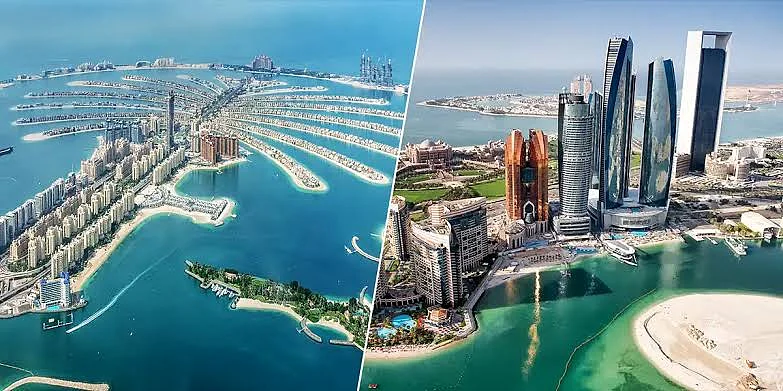
According to a recent study by Boston Consulting Group (BCG), the cities of Abu Dhabi and Dubai have emerged as leading global urban destinations, ranking among the world's strongest-performing cities. The study, titled Cities of Choice 4.0, evaluated 80 cities worldwide based on five key dimensions of urban competitiveness: economic opportunity, livability, social capital, government interaction, and the pace of change.
Both Abu Dhabi and Dubai performed exceptionally well across these dimensions. Dubai, in particular, ranked fifth globally in economic opportunity, making it the only Middle Eastern city among the top five in this area. The UAE capital also ranked ninth globally in government interaction, highlighting the impact of digital services and government platforms in improving the efficiency of transactions and meeting residents' needs.
On the other hand, Abu Dhabi excelled in the areas of social capital and adaptability. The study noted that Abu Dhabi residents displayed strong social connectedness, with higher levels of community participation and social generosity compared to other cities. Furthermore, Abu Dhabi ranked well in the pace of change dimension, indicating residents' willingness to support their city and speak positively about its development.
The findings of the study emphasize a shift in the concept of competition among cities, as airports, road networks, modern buildings and advanced digital infrastructure alone are no longer sufficient for attracting and retaining residents and talent. Instead, cities must demonstrate the ability to translate these assets into tangible outcomes that directly impact residents' daily lives.
The study suggests that cities that can continuously adapt and change their environments to create new opportunities are more likely to attract global talent and capital.
Written by urgent.news from Gulf News's reporting — not their text. Machine-written — may contain errors; check the original before relying on it.