3 reasons Googlebooks will succeed — and 3 reasons they’ll fail
It really could go either way.
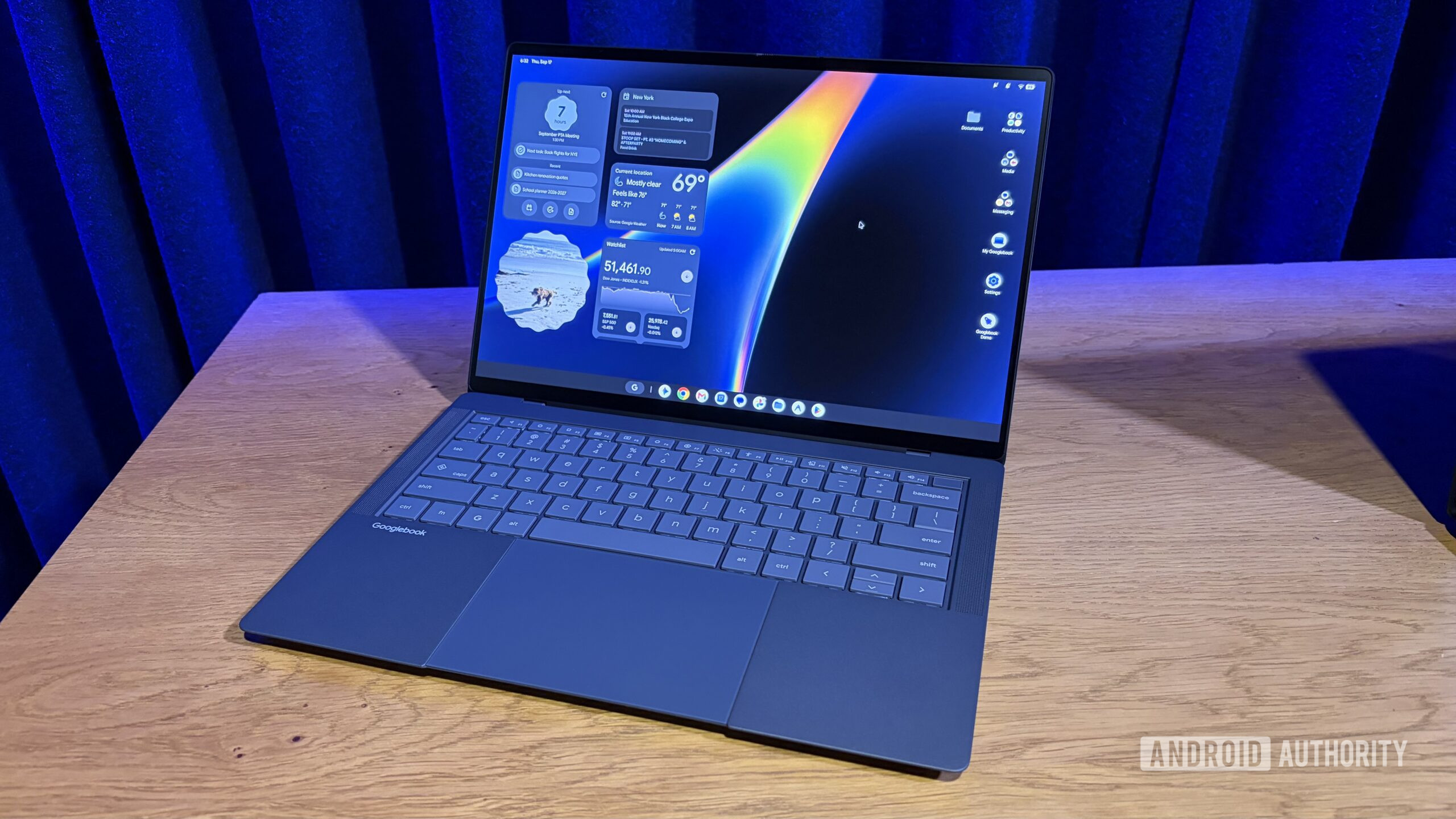
Googlebooks, Google’s upcoming desktop operating system, has the potential to revolutionize the market with its high-end devices and emphasis on Android integration. This new platform aims to address several issues faced by ChromeOS and Chromebooks, providing users with a fresh and polished experience.
Firstly, Googlebooks launches with devices priced around $1,000, setting them apart from the cheaper Chromebooks that previously defined the market. By launching with premium hardware, Googlebooks has made a strong first impression, drawing attention to its sleek design and powerful specs. This unique approach allows Google to avoid the baggage and expectations of lower-priced models, ensuring that the platform starts with a clean slate.
Secondly, Googlebooks not only resolves various platform-level issues but also builds upon the strengths of ChromeOS. The shift from a Chrome browser-first approach to an Android-based platform means Android apps will work seamlessly on Googlebooks, eliminating the jank often associated with Android integration in ChromeOS. Moreover, Google is working with app developers to create optimized Android apps and desktop applications specifically for Googlebooks, ensuring a more robust and feature-rich user experience.
Lastly, Googlebooks' integration with Android devices means it can rival macOS in terms of cross-device interoperability. Google's Android 17 integration allows for seamless communication between Googlebooks and Android phones, making it a platform that targets the majority of smartphone users worldwide. This connectivity opens up new possibilities for users, enabling them to access their Google services and apps from both their smartphones and laptops with ease.
While Googlebooks is a fresh start, its success will depend on Google's ability to overcome past attempts at similar concepts. Despite Google's continuous efforts to create large-screen apps for Android, developers have not embraced this concept as enthusiastically as hoped. Google has missed opportunities to showcase the power of Android on larger screens by not debuting a range of flagship Android apps that cater to this new platform.
However, if Googlebooks can capitalize on its high-end devices, Android integration, and streamlined user experience, it could offer a compelling alternative to traditional desktop operating systems, capturing a significant portion of the growing market that values seamless cross-device functionality.
Written by urgent.news from Android Authority's reporting — not their text. Machine-written — may contain errors; check the original before relying on it.