100 TB DNA capsules stored in bullet-like magazines could displace tape with a roadmap to 50 PB per capsule — but no news about speed, drive cost and availability
AtlasBase's Thalia chip writes data into DNA capsules of up to 50 PB, lasting 1,000 years, with no deployment evidence.
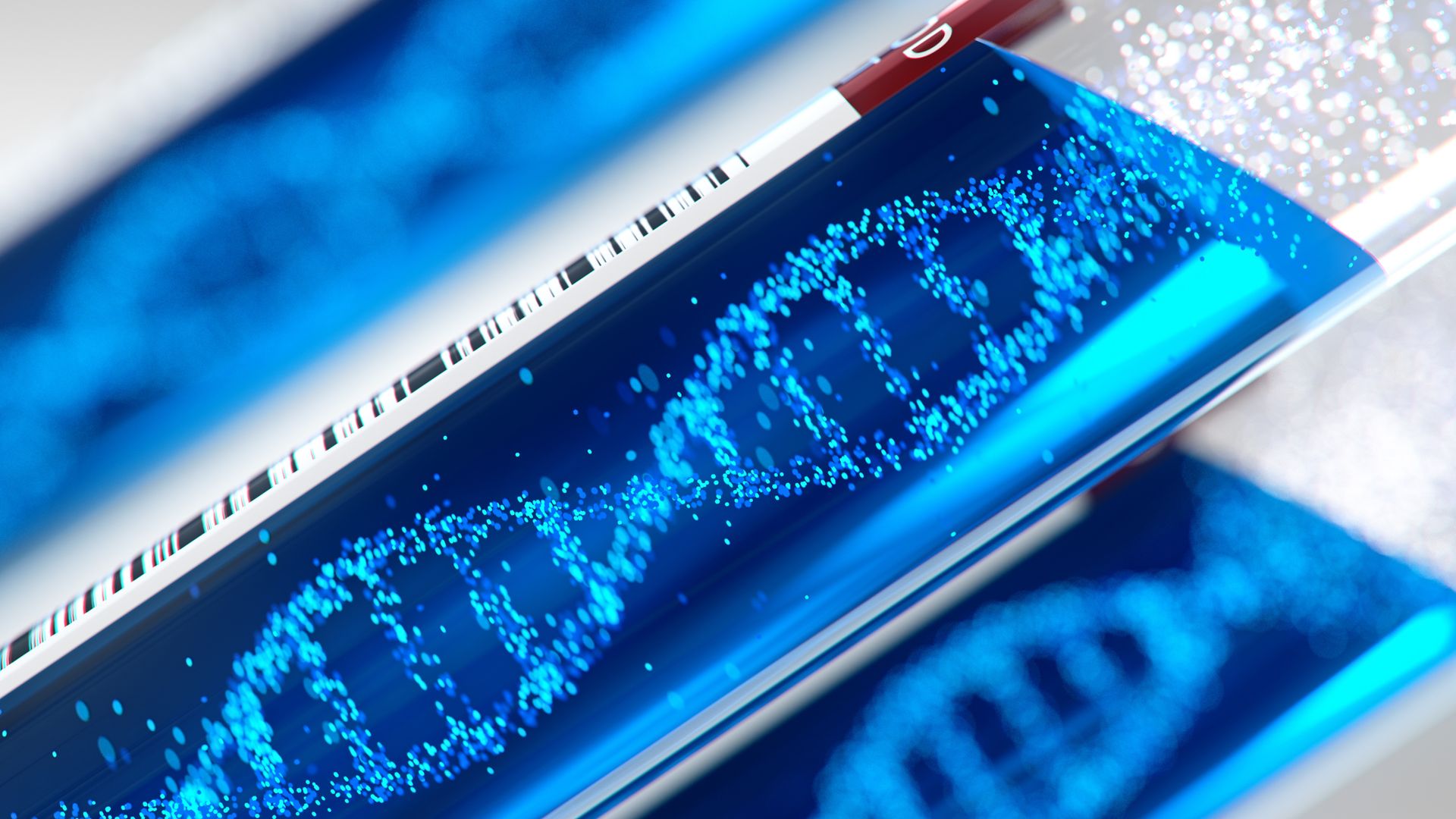
AtlasBase is pioneering a revolutionary DNA storage technology capable of packing massive amounts of data into compact cartridges. One DNA capsule could potentially hold up to 50 petabytes of digital information, while a single cartridge could accommodate 100 capsules, delivering between 100 terabytes and 5 exabytes of storage. These capsules are designed to store data for over a millennium without the need for electricity, cooling, or mechanical movement.
The company's Thalia platform combines semiconductor controls with biochemical processes to transform digital data into sequences of four DNA bases, enabling high-density writing. Each chip contains 5.6 billion reaction sites, a 700-fold increase over previous DNA synthesis technology. By using a 16nm CMOS layer beneath a biological section, AtlasBase's chip directs electrical pulses to control chemical reactions at these sites, synthesizing synthetic DNA strands for storage in metal capsules.
While AtlasBase envisions a future where 50 petabytes of data could reside in a tiny capsule, the company has not yet provided details on the speed of data retrieval or the cost and availability of the storage hardware. The technology is primarily focused on long-term data preservation rather than high-speed data access. AtlasBase is also exploring direct computation with DNA molecules, which could be useful for optimization problems that involve a vast number of possible solutions, such as flight scheduling.
However, retrieving stored data for computation still requires a preparation and sequencing step, with retrieving and processing times varying based on the complexity of the task.
Written by urgent.news from TechRadar's reporting — not their text. Machine-written — may contain errors; check the original before relying on it.