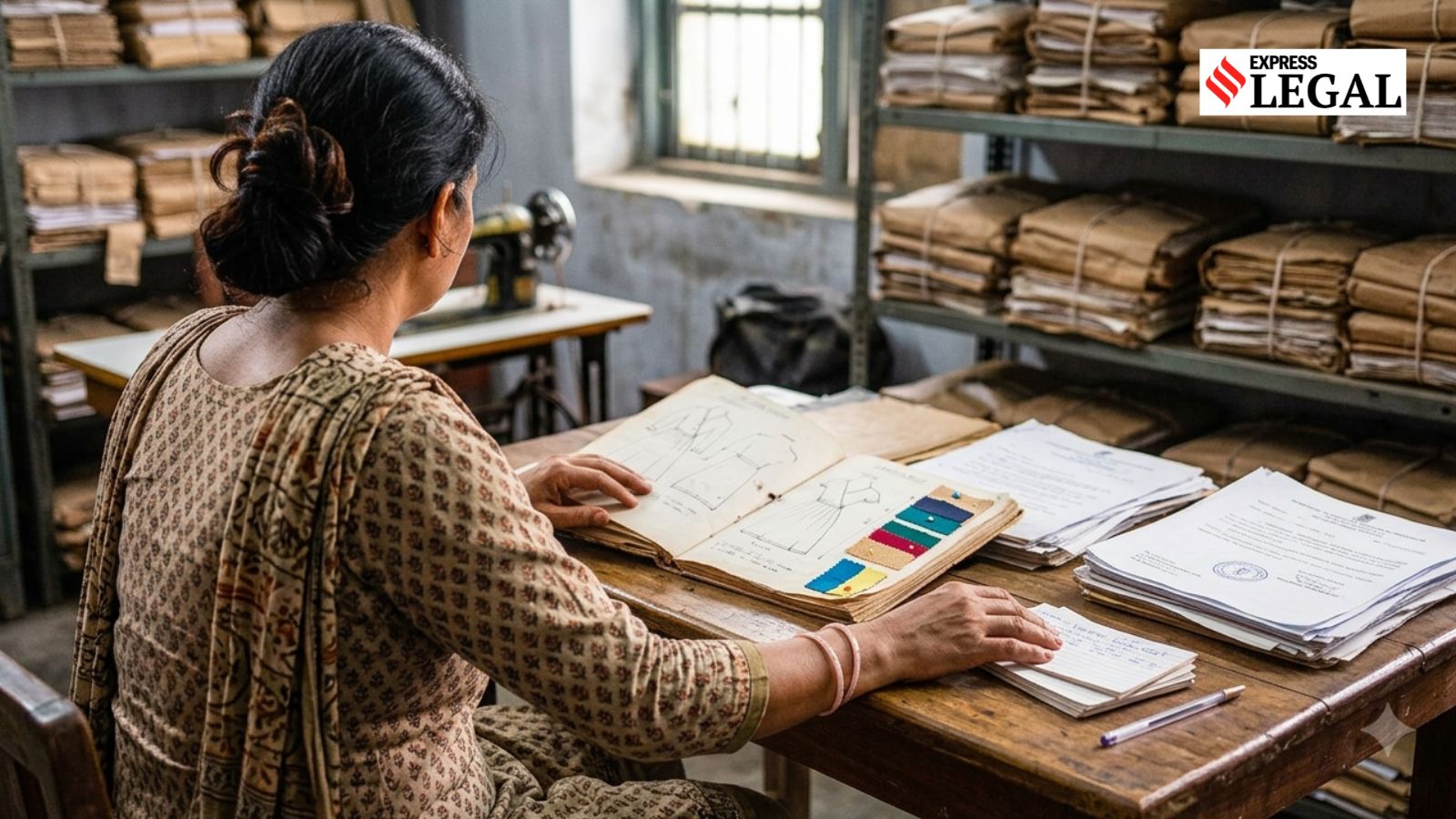
Women are asked to shrink so that the streets can stay unreformed
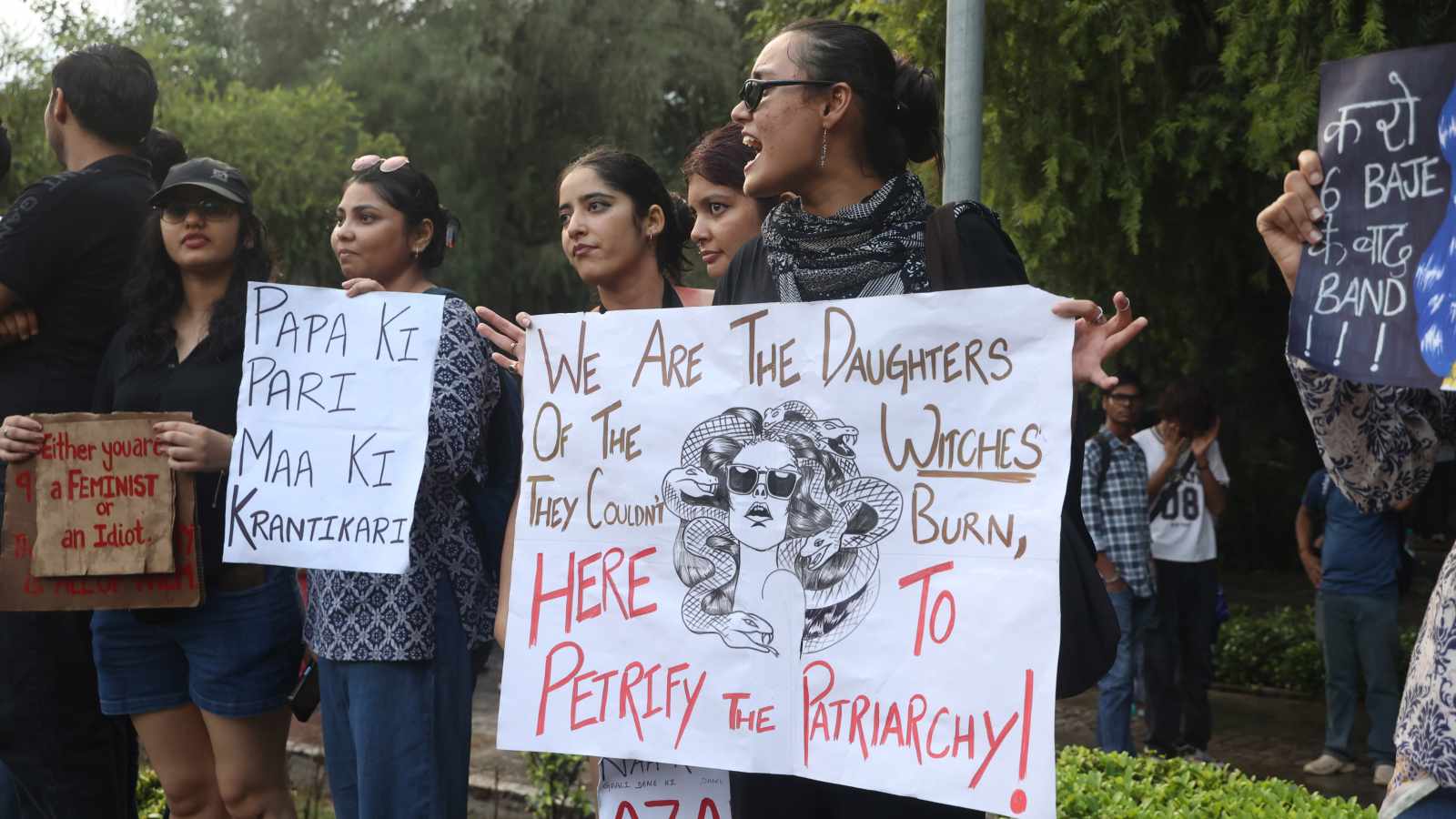
The issue of women's safety in public spaces in India has been a topic of concern for many years. Many women feel that navigating public spaces is a precarious experience, constantly under the watchful eyes of the patriarchy. This fear is so prevalent that every year, in classrooms across the country, women read feminist theory and ask the question: who is allowed to be out after dark?
In a recent class at Delhi University, students discussed the challenges faced by women in taking the last metro home due to a lack of safe transportation options. In South Delhi and Jamui, Bihar, two young girls were victims of gang rape, one by three men who assumed the authority of their uniforms and the other by a group of men on the streets they had traveled down countless times before.
Despite the strides made by women in advocating for their autonomy and consent, some admit to avoiding taking the last metro home. Patriarchy does not just constrain women, but also sets a script for men, punishing them for stepping outside it. The first act of violence patriarchy demands of men is not against women but against themselves.
Accountability cannot rest solely with institutions, but must also extend to the ordinary places where men hear other men say something ugly and let it pass. While steps like Delhi's pink bus tickets and apps like Safetipin have been taken, a truly feminist cityscape requires rewriting the public contract with women. Women's presence outdoors after dark must no longer be an act of defiance or an explanation, but a normal part of everyday life.
Written by urgent.news from The Indian Express's reporting — not their text. Machine-written — may contain errors; check the original before relying on it.