WILD OMISSION: South Africa’s lion bone trade — the consequences the government never considered
South Africa exported thousands of captive-bred lion skeletons to Asian markets – but never studied whether the trade fuelled demand, enabled laundering or increased pressure on wild lions.
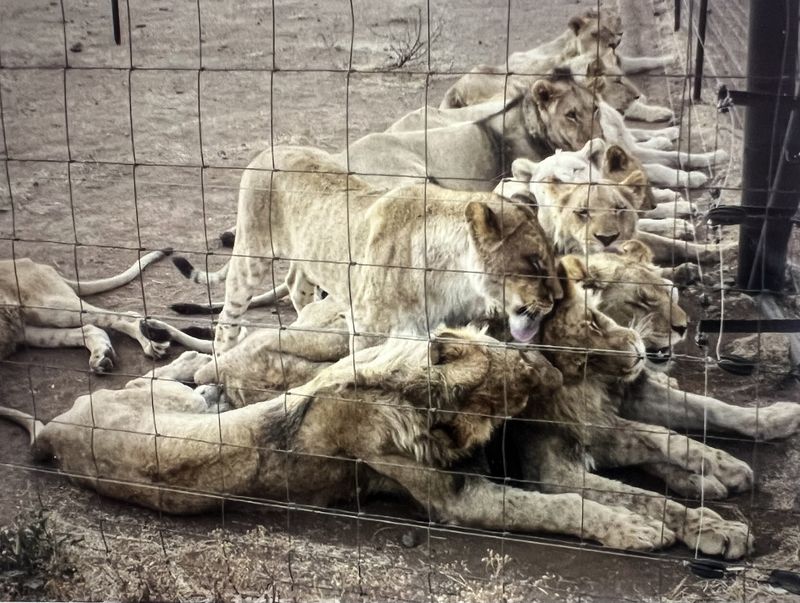
South Africa once exported thousands of captive-bred lion skeletons to Asian markets, but there appears to have been no thorough assessment of the trade's consequences. The government never evaluated whether the commercial export of lion bones stimulated demand, facilitated laundering, or increased risks to wild lions. The lion bone trade began in the late 2000s, with South Africa issuing CITES permits to Laos, Vietnam, Thailand, and China in 2008.
The trade initially stemmed from captive-bred lion hunting, but it later became a significant commercial stream. Between 2008 and 2015, South Africa issued permits for over 5,300 lion skeletons destined for East and South East Asia, with an estimated 6,000 or more skeletons shipped since. In 2016, South Africa retained the ability to export lion bones commercially, subject to an annual quota, which the Gauteng High Court deemed unlawful in 2019.
The government has since maintained a zero commercial export quota. However, the Department of Forestry, Fisheries and the Environment (DFFE) has not conducted a retrospective evaluation of the trade's consequences nor performed a specific market-demand or consumer-behaviour study to determine if South Africa's authorized exports established or expanded international demand for lion derivatives.
Written by urgent.news from Daily Maverick's reporting — not their text. Machine-written — may contain errors; check the original before relying on it.
Also reported by 2 other outlets
- FG condemns killing of three Nigerians in South Africa punchng.com
- Protesters against illegal immigration in South Africa call for more deportations winnipegfreepress.com