Why Siri never worked like ChatGPT — former Siri AI researcher explains what Apple had to change
Siri was built for commands, not conversation. A former Siri AI researcher explains why it struggled — and what Apple needs to change now.
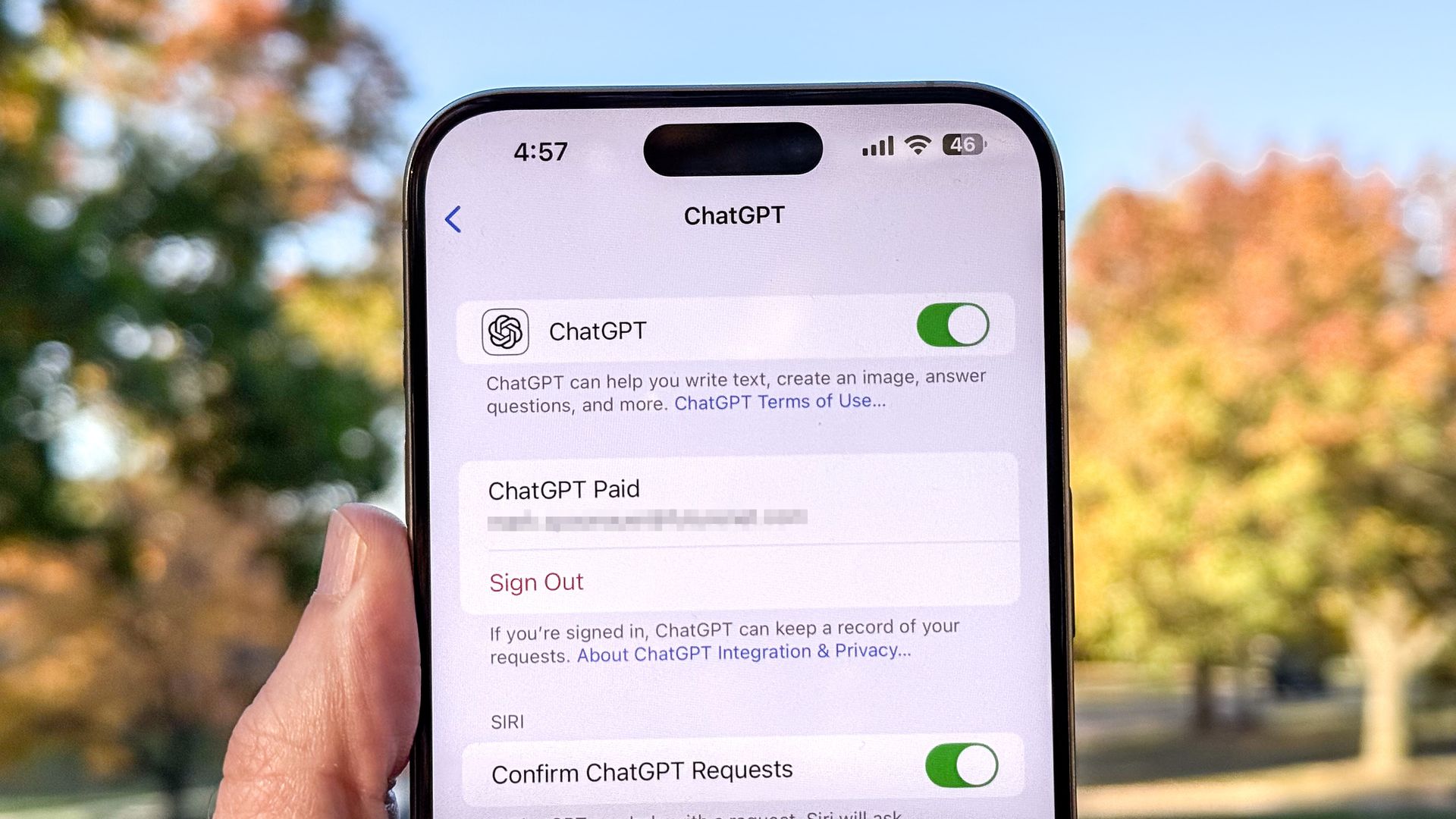
Former Apple AI researcher Nikola Mrkšić explains why Siri never evolved to match the capabilities of ChatGPT and Gemini. Siri's limitations stem from its design around enumerated intents, where every potential conversation path needed to be explicitly mapped out. This rigid structure led to issues when users deviated from the predefined scripts.
Mrkšić elaborates on the challenges of disambiguation, using the example of distinguishing between two people with similar names in a user's contacts. He describes the process as creating an "ontology of a conversation," mapping out the various directions an interaction could take to ensure common tasks function smoothly within that framework.
Unlike modern large language models (LLMs) such as ChatGPT or Gemini, which can consider the conversation itself as context to determine appropriate responses, Siri's conversational abilities were significantly constrained. Apple's cautious approach, driven by a low-risk tolerance, further limited Siri's potential. Siri was designed to handle straightforward tasks like setting alarms or playing music, with any potential for misinterpretation treated as a significant risk.
This risk-averse strategy led to Siri being tightly defined in its capabilities, unable to adapt to more complex or nuanced user requests. Mrkšić notes that while short-term memory issues in traditional voice assistants have largely been addressed, the fundamental limitations of Siri's design persist. Current LLMs can process vast amounts of context, improving their ability to remember earlier parts of a conversation.
However, creating an AI that understands users deeply—recognizing personal relationships, routines, and contextual information—remains a more challenging endeavor. Apple's ability to access personal data directly from the iPhone could theoretically give Siri an advantage over standalone chatbots. However, this potential is tempered by privacy concerns.
Apple's commitment to user privacy has historically limited the amount of personal data available to Siri, making it harder for the assistant to become truly contextually aware.
Written by urgent.news from Tom's Guide's reporting — not their text. Machine-written — may contain errors; check the original before relying on it.