Why diesel prices are an economic time bomb
Everyone knows how much gasoline prices matter. The recent spike in gas prices triggered by the war with Iran has fueled deep pessimism about the economy and weighed heavily on President Donald Trump’s approval ratings. But diesel fuel — the lifeblood of shipping, agriculture, and heavy industry — usually flies under the radar. Its price […]
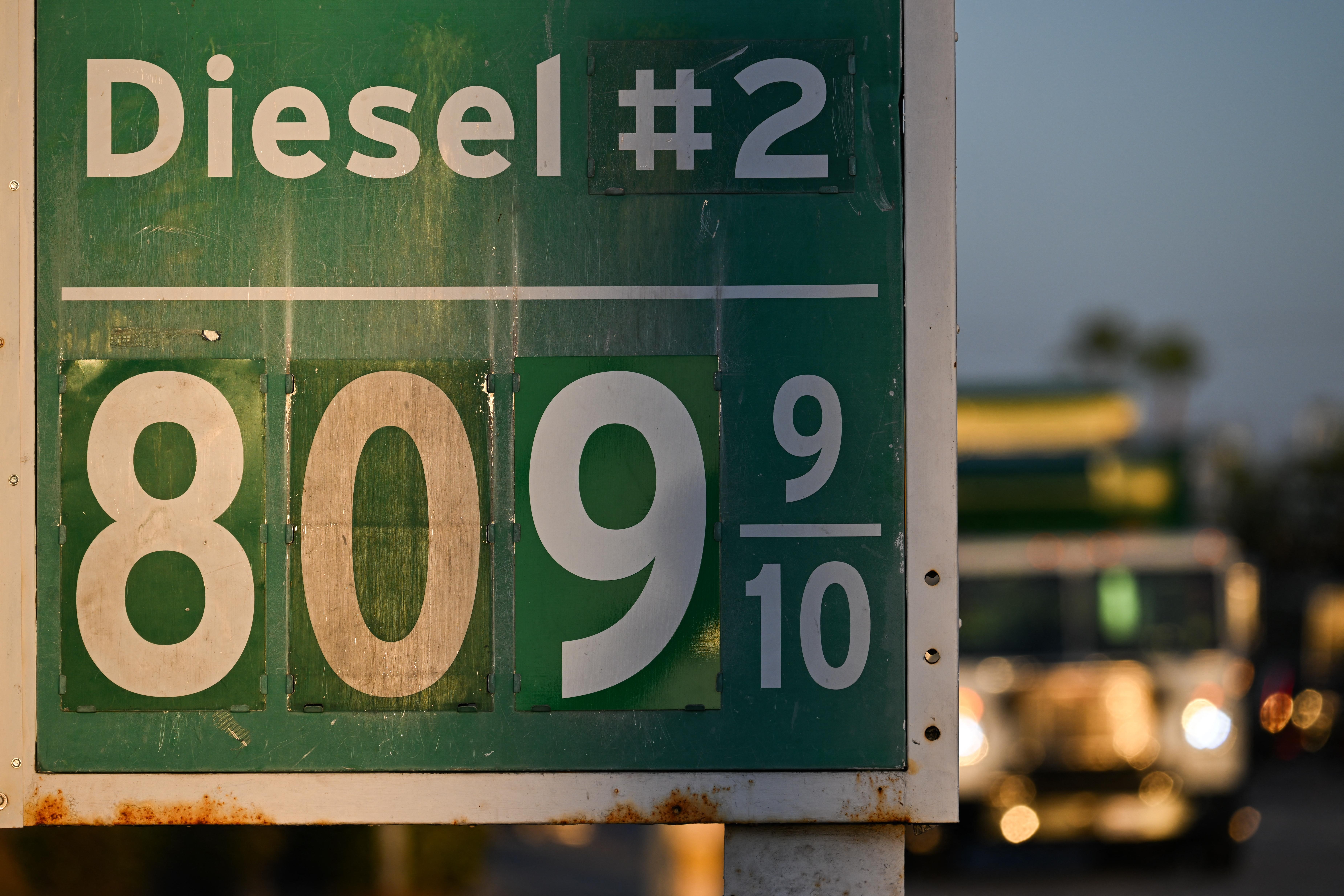
Diesel fuel prices have surged recently, affecting various industries such as shipping, agriculture, and heavy industry. This increase has led to higher costs for truckers, farmers, and consumers alike. Nathan Bomey, a business reporter at Axios, explains that diesel prices directly impact the cost of doing business for these industries, which in turn trickles down to consumers.
The recent conflict between the US and Israel has disrupted the global energy economy, particularly affecting diesel prices. The closure of the Strait of Hormuz has disrupted shipping routes and affected crude oil prices, leading to higher costs for diesel, gasoline, and jet fuel. Farmers are particularly concerned as the higher diesel prices affect their production costs, which translates to higher prices for consumers.
The impact on food prices could be felt in as little as a month or two, especially in the grocery aisle where fresh food is shipped weekly. While options like electric trucks, compressed natural gas, liquid natural gas, and biodiesel exist, they are not readily available or practical for all industries in the short term. The Tesla Semi, an electric semitruck, is a promising alternative that could help alleviate the diesel price crisis, but its heavy batteries limit its capacity for shipping heavy items.
Written by urgent.news from Vox's reporting — not their text. Machine-written — may contain errors; check the original before relying on it.