What India’s new CAFE-III fuel-efficiency norms mean for carmakers, small cars and EVs
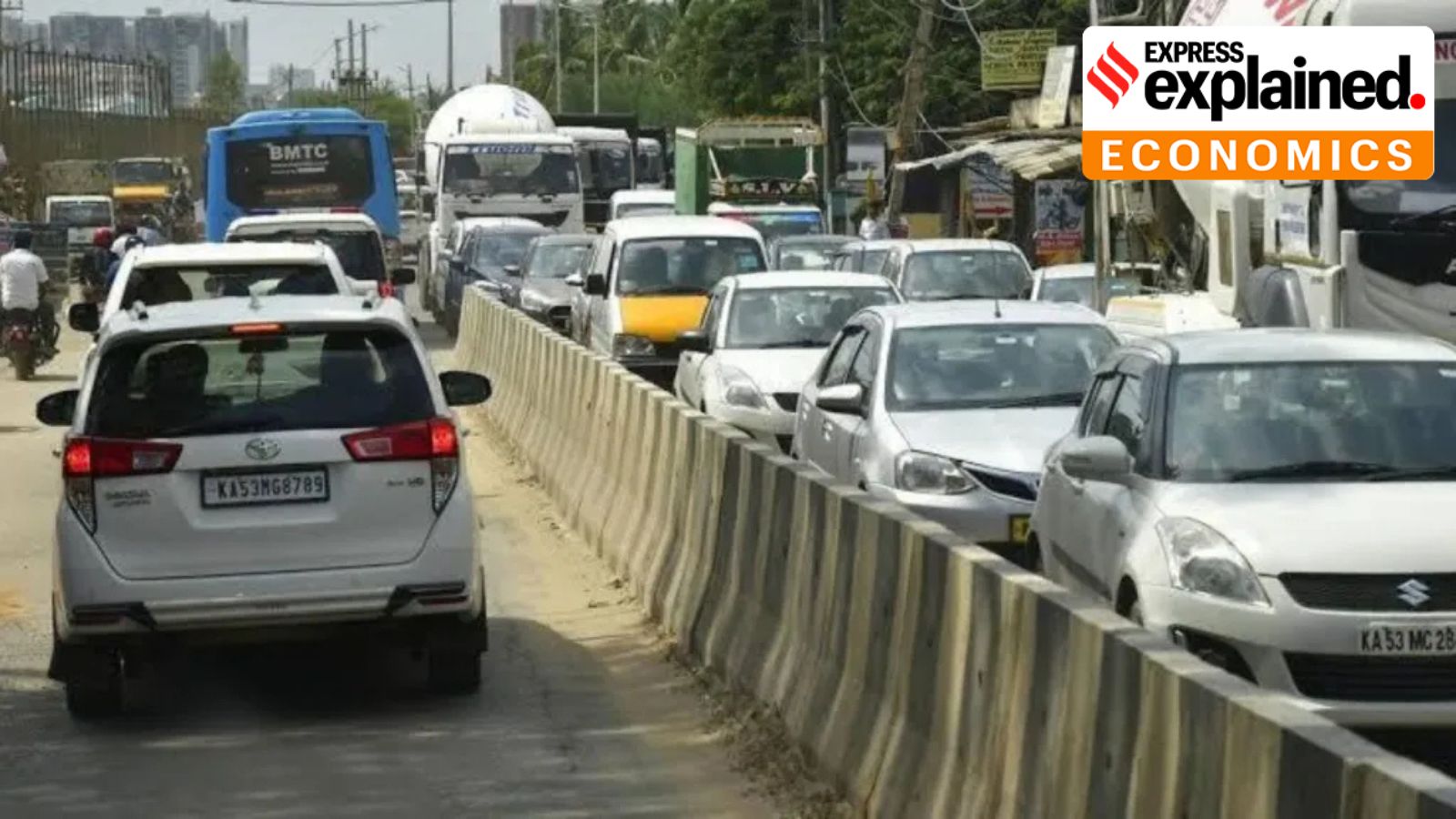
India's new Corporate Average Fuel Economy (CAFE)-III fuel-efficiency norms, slated to take effect from April 2027, will significantly impact the automotive industry. These rules replace the previous proposal, which included a special concession for small petrol cars and altered the weight-based formula used to set targets. The CAFE-III framework applies to all passenger vehicles (M1 category) manufactured or imported for sale in India, with a focus on the weighted average unladen weight of the vehicles sold by each manufacturer.
This new system requires carmakers to manage the efficiency of their entire vehicle portfolio rather than individual models, reflecting a shift towards fleet-wide compliance. The heavier a manufacturer's average fleet, the higher the permitted fuel consumption. The rules also grant electric vehicles (EVs) the most significant compliance benefit among different powertrains.
Specifically, BEVs and REEVs receive a 3x volume derogation factor, while PHEVs, strong hybrids, and flex-fuel vehicles are given 2.5x, 1.6x, and 1.1x factors, respectively.
The removal of the small-car concession has sparked debate, as India's market heavily depends on compact, relatively light petrol cars. Maruti Suzuki, a dominant player in the small-car segment, had pushed for additional regulatory relief for lightweight cars. However, the final rules do not provide a separate benefit to cars below the 909-kg threshold. Weight remains a central factor in the calculation, with lighter fleets facing lower fuel consumption targets and heavier fleets receiving higher ones.
Written by urgent.news from The Indian Express's reporting — not their text. Machine-written — may contain errors; check the original before relying on it.