Water shortage
EDITORIAL: Reports suggest that Pakistan is bracing for 25 percent water shortage during rabi season that has raised concerns over food security. There are both internal and external impediments to farm output in Pakistan. The internal impediments relate to the failure of successive administrations to increase the yield per hectare. The situation is complicated further by the widening gap between…
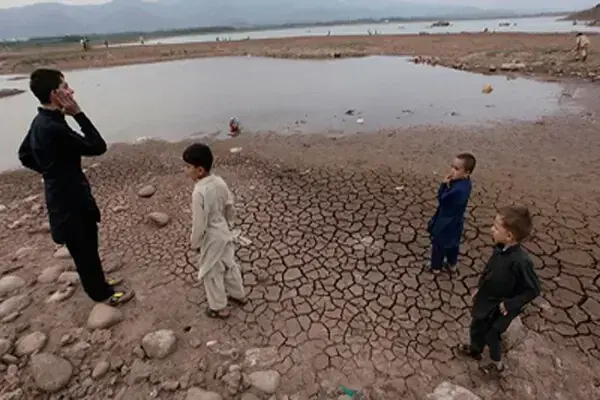
Pakistan anticipates a 25 percent water shortage during the rabi season, sparking concerns about food security. Internal and external factors contribute to the nation's agricultural challenges. The government's failure to boost yield per hectare and the significant disparity in farm income between wealthy and impoverished farmers hinder progress.
Input incentives and cheap farm credit have primarily benefited wealthy farmers, while the majority operate below subsistence level. Rising input costs, exacerbated by government price interventions, complicate the situation. Climate change, ranking Pakistan among the top ten most vulnerable nations, further impacts farm output.
Despite budgeting 21 billion rupees for agricultural subsidies in 2026-27, concerns arise over the effectiveness of this funding in addressing the sector's needs. Crops under cultivation must be reassessed, considering water availability and the influence of industrial sectors reliant on farm output. Cooperation within the agricultural sector is also crucial, lacking organization and success compared to India's model.
The current rabi season output is expected to fall short of targets due to high fertilizer, energy, and transport costs. However, implementing reforms successful in India, considering shared agro-climatic conditions, is necessary.
Written by urgent.news from Business Recorder's reporting — not their text. Machine-written — may contain errors; check the original before relying on it.