US-Iran war: What UAE residents need to know today (Sept. 30, 2026)
As US- Iran conflict enters its 215th Day , the two rivals remain locked between military pressure and diplomacy. The latest data show that the Strait of Hormuz is carrying substantially more oil than feared , helped by US-backed tanker movements and alternative export routes. For UAE residents, the main issues today are Hormuz shipping, oil and fuel prices, regional security, and flight…
The ongoing US-Iran conflict, now in its 215th day, continues to impact regional stability. The Strait of Hormuz, a critical shipping route, is experiencing reduced disruptions thanks to US-backed tanker movements and alternative export routes. However, the situation remains complex for UAE residents as they face issues related to Hormuz shipping, oil and fuel prices, regional security, and flight disruptions.
Oil and petroleum-product flows have averaged 13.1 million barrels per day last week, representing nearly 80% of the 17.1 million barrels per day that typically pass through the strait. US Navy-backed tanker movements, vessels with tracking systems turned off, and ship-to-ship transfers have helped maintain exports. Presently, oil prices are around $105 a barrel, nearly 50% higher than the level prior to the war that began on February 28.
UAE residents have witnessed a significant increase in fuel prices, with Super 98 up by 46.72% and diesel up by 58.09%. The monthly fuel-price formula in the UAE is influenced by the broader monthly oil trend rather than a single day's price. Additionally, Saudi Arabia's backup oil route, the East-West Pipeline, has resumed operations after drone attacks, with throughput currently at about 2–2.65 million barrels per day, expected to increase towards 3–4 million barrels.
While Hormuz is still operational, normalcy has not returned, and the current system heavily relies on military protection, alternative routes, and emergency logistics. Diplomatic efforts continue, with Iran proposing a pause in fighting, the lifting of the US blockade on Iranian ports, and measures aimed at reopening Hormuz. However, Trump has rejected claims of US offering sanctions relief or the release of frozen Iranian funds.
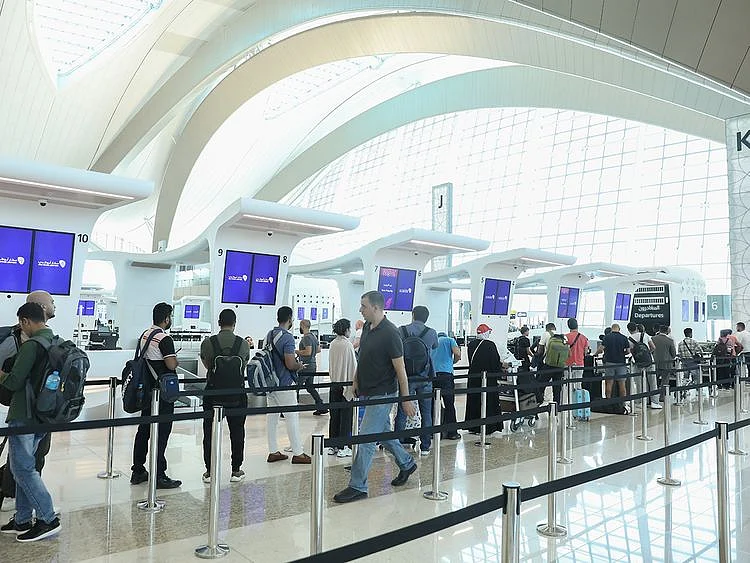
UAE flights are still subject to changes, and travelers are advised to check flight status before traveling.
The central question remains whether the US-backed maritime workaround can continue while negotiations between Washington and Tehran progress. Any significant breakthrough could rapidly affect oil prices, shipping costs, insurance premiums, and airline operations for UAE residents. Conversely, renewed attacks around Hormuz could cause a reversal of recent improvements. UAE residents should closely monitor Hormuz developments, diplomacy, oil prices, fuel price reviews, flights, and shipping conditions.
Written by urgent.news from Gulf News's reporting — not their text. Machine-written — may contain errors; check the original before relying on it.