US-China tariff cuts could weaken China’s shift to Southeast Asia
AgenciesFor years, Chinese manufacturers have viewed Southeast Asia as a way to reduce exposure to higher US duties on goods made in China. But a new round of tariff cuts proposed...
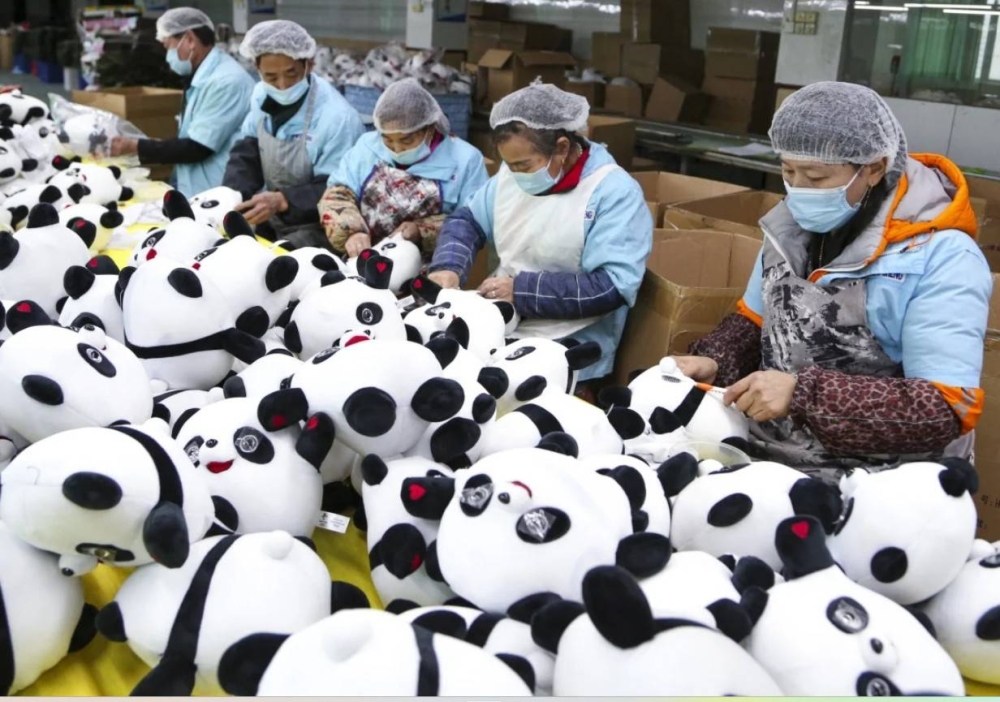
Chinese manufacturers have traditionally seen Southeast Asia as a way to escape higher US duties on goods made in China. However, recent tariff cuts proposed by both nations could dampen that allure for certain products, according to China's Ministry of Commerce. Over 90% of Chinese products, valued at $30 billion, would revert to most-favored-nation tariff treatment, with all additional duties waived.
This would effectively bring duties on most items below 10%, potentially making them more competitive with Chinese counterparts. Vietnam, Malaysia, and Thailand, which have long been attractive to Chinese investment in low-end consumer goods manufacturing, still face additional US tariffs between 10 and 12.5%. This discrepancy has raised questions about whether the reduced tariff gap could weaken one of the primary incentives for Chinese companies to relocate production to Southeast Asia.
Analysts noted some hesitancy from Chinese enterprises investing in the region, partly due to rising manufacturing costs in China and a shift towards higher-value industries. Nonetheless, the region's appeal is expected to persist, driven by persistent uncertainty over US trade policy and the country's shift towards higher-value industries.
Chinese investment in Southeast Asia reached $19 billion in 2024, more than double the $8 billion recorded in 2015, making China the region's second-largest source of foreign direct investment among non-ASEAN partners. Experts believe the gradual transition of China's low-end manufacturing to Southeast Asia will continue, despite potential tariff changes and policy volatility.
Written by urgent.news from Qatar Tribune Business's reporting — not their text. Machine-written — may contain errors; check the original before relying on it.