Trusted data resiliency anchors Oracle’s ransomware defense strategy
For enterprises, data resiliency ultimately comes down to an ability for useful work to continue. The definition sounds simple, yet making sure that data in critical systems is fully protected and accessible as rapidly as possible is a complicated task. This is the work behind Oracle Corp.’s resilient data architecture, which is driven by a […] The post Trusted data resiliency anchors Oracle’s…
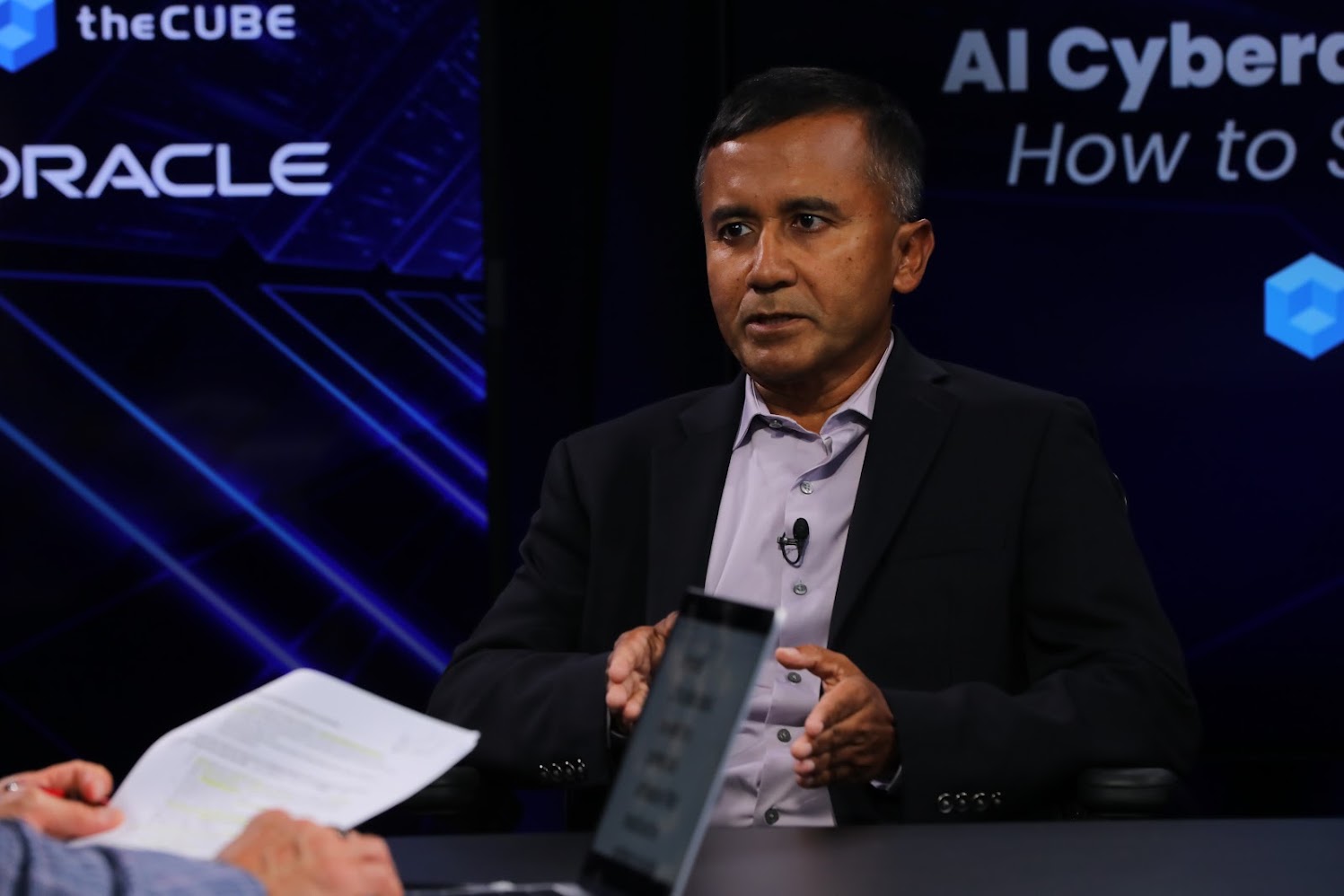
Oracle's strategy for defending against ransomware is built around a concept called data resiliency. This means that even if an attack occurs, the enterprise's critical systems can continue to function and the data remains both protected and accessible quickly. Oracle achieves this through a unique combination of technologies including Oracle Exadata, built-in security from their AI Database, and advanced data protection tools provided by their Zero Data Loss Recovery Appliance.
According to Ashish Ray, senior vice president of Oracle Database, product management, protecting data in critical systems is a complex task. In addition to securing production systems, one must also ensure backup systems are equally secure and controlled. These backups should be immutable, encrypted, and offer granular, validated restoration points to ensure no data loss.
Ray emphasized that "trusted resilience" requires recovering to a known valid transactional state. This is further ensured by Oracle's Recovery Appliance, which validates backup data integrity on-the-fly during ingestion and continuously monitors recoverability to prevent corrupted or missing data from causing issues during a restoration.
Written by urgent.news from SiliconANGLE's reporting — not their text. Machine-written — may contain errors; check the original before relying on it.