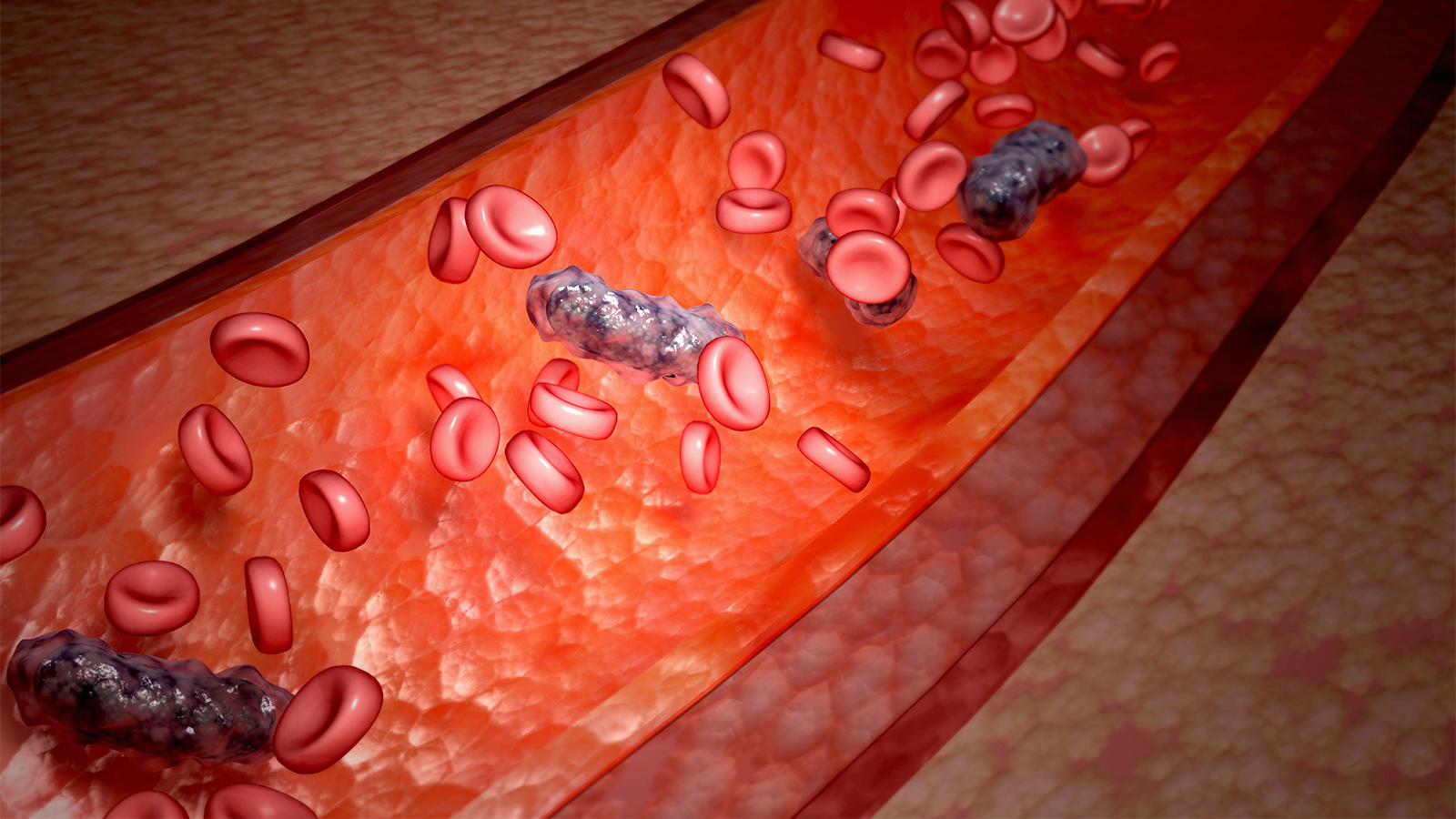
This is what happens to the body when you frequently take painkillers and antibiotics

The Central Drugs Standard Control Organisation (CDSCO) recently cautioned against the excessive use of painkillers, specifically non-steroidal anti-inflammatory drugs (NSAIDs), and antibiotics due to potential harm. These medicines, while commonly sought for headaches, body aches, or period cramps, can lead to serious complications when used frequently. Kidneys may be affected without any visible symptoms initially, which can lead to significant and potentially irreversible damage if left unchecked.
Dr Sagar Gupta, Director & Head of Kidney Diseases & Transplant Medicine at Asian Hospital, highlights that kidney damage can progress silently, often only becoming apparent when kidney function has already deteriorated. This emphasizes the importance of not dismissing routine blood tests that might reveal elevated creatinine levels, even when one feels healthy. The kidneys possess a remarkable capacity to compensate, but once symptoms or abnormal function are noticed, the damage might already be substantial.
The frequency and duration of painkiller use play a crucial role in determining the risk. Occasional use for a short period is generally safer in individuals with healthy kidneys. However, regular use over weeks, particularly several times a week, significantly elevates the risk, especially in those who are dehydrated, older, diabetic, or already experiencing reduced kidney function.
Dehydration and alcohol consumption can exacerbate the strain on the kidneys. Therefore, if one frequently resorts to painkillers, it is advisable to consult a healthcare professional rather than purchasing them over the counter.
Antibiotics, too, can pose risks to kidney health if used without medical necessity or prescription. Some antibiotics are directly toxic to kidney cells, while others can induce an inflammatory reaction. It is essential to use antibiotics only when prescribed for a genuine infection and for the appropriate duration. Self-prescribing or using antibiotics for viral infections, such as common respiratory illnesses, can be particularly hazardous.
Certain individuals are more susceptible to medication-related kidney injury due to a diminished kidney reserve. These groups include those with existing kidney disease, older adults, diabetics, chronically dehydrated individuals, those with heart failure or liver disease, pregnant women, and young children. These populations have less physiological reserve, and additional stress on the kidneys can have a more pronounced impact.
Dr Gupta advises those who regularly require painkillers to focus on identifying the underlying cause of the pain rather than merely suppressing it with medication. This proactive approach can prevent unnecessary strain on the kidneys. In summary, while painkillers and antibiotics may seem like straightforward solutions to common ailments, their misuse can lead to severe long-term consequences, particularly for kidney health.
Consulting a healthcare provider is essential for anyone experiencing frequent pain or considering antibiotic use without medical guidance.
Written by urgent.news from The Indian Express's reporting — not their text. Machine-written — may contain errors; check the original before relying on it.
This story
This is one outlet's version. Read the fullest account.