The woman who changed what a doctor could look like
Dr Hasmah Ali was a doctor before she was a public figure, and her medical work deserves to be remembered on its own terms.
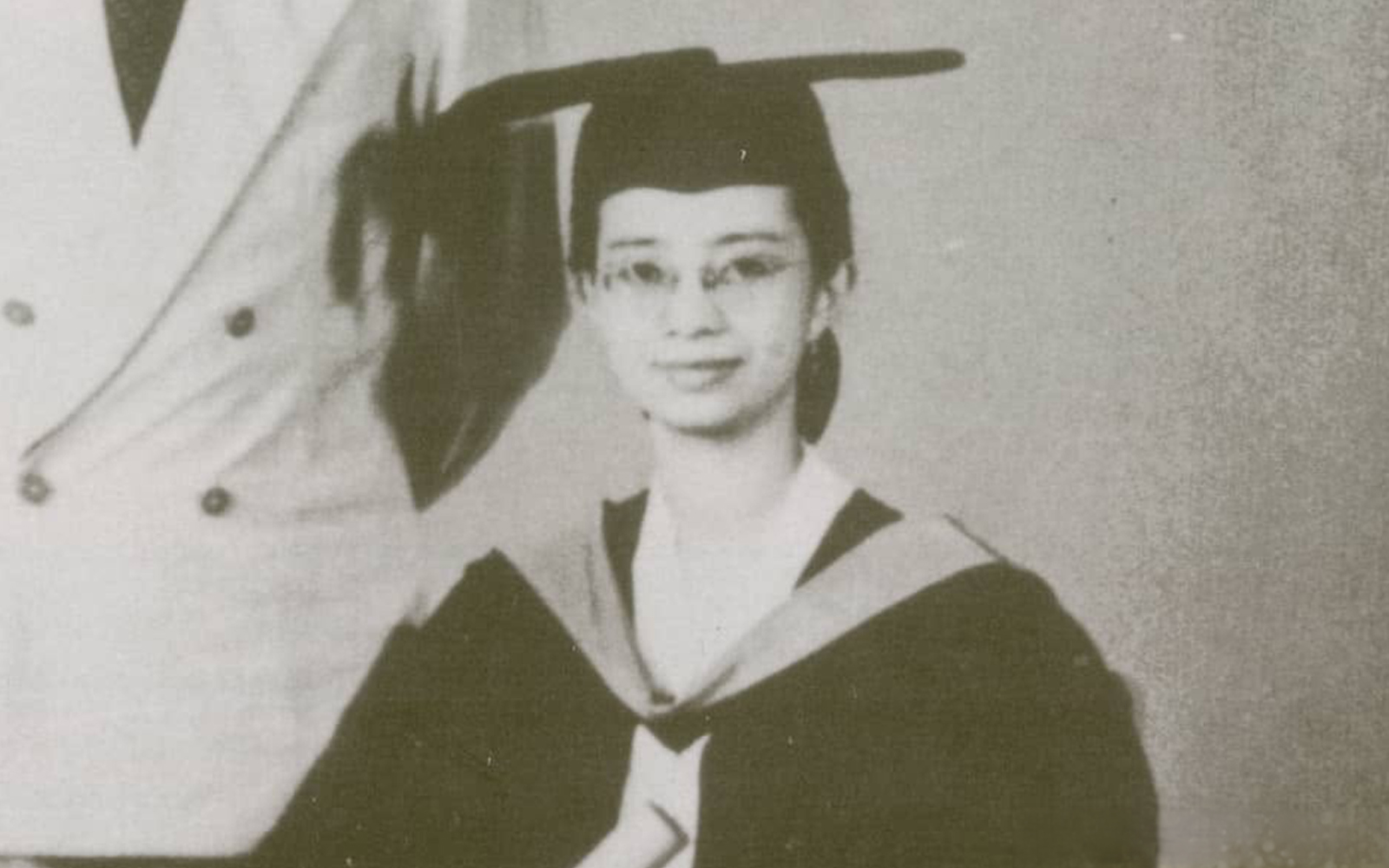
In 1947, a young Malay woman named Siti Hasmah made history by entering medical school in Singapore as the only Malay woman in her intake. Today, we remember Dr Hasmah Ali, who passed away at the age of 100, for her groundbreaking contributions to Malaysian medicine. Though she is best remembered as the wife of a prime minister, Dr Hasmah was first and foremost a dedicated doctor.
Her trailblazing medical career laid the foundation for future generations of women in medicine. After graduating in 1955, she began her medical practice and soon became deeply involved in maternal and child health in Kedah. In 1965, she became the first woman appointed as a medical officer in the maternal and child health department, and in 1974, she became the state’s first female maternal and child health officer.
Dr Hasmah also led the rural health training school in Jitra, ensuring that healthcare reached the most remote communities. Her work emphasized the importance of making healthcare accessible to patients, traveling to villages to provide immunization and health education, and working with traditional midwives to improve maternal and child health.
Dr Hasmah's legacy lives on through the countless women who have followed in her footsteps, such as Dr Narimah Awin, Dr Adeeba Kamarulzaman, and Dr Jemilah Mahmood, who have each made significant contributions to public health. Dr Wan Azizah Wan Ismail, a former prime minister, also draws inspiration from Dr Hasmah's example as she continues to support health programmes and changes within the Malaysian health landscape.
In a time when women in medicine were few and far between, Dr Hasmah showed Malaysians that a Malay woman could practice medicine, teach health workers, and lead a healthcare service. Her willingness to speak openly about her own experience with breast cancer further broke down barriers and made women's health more visible. Dr Hasmah's example continues to inspire women today, reminding them that when they find themselves as the only woman in a room, they should be recognized for their abilities and given the opportunity to lead.
Written by urgent.news from Free Malaysia Today's reporting — not their text. Machine-written — may contain errors; check the original before relying on it.
Also reported by 1 other outlet
- The woman who changed what a doctor could look like freemalaysiatoday.com