The War in Iraq Is Finally Over
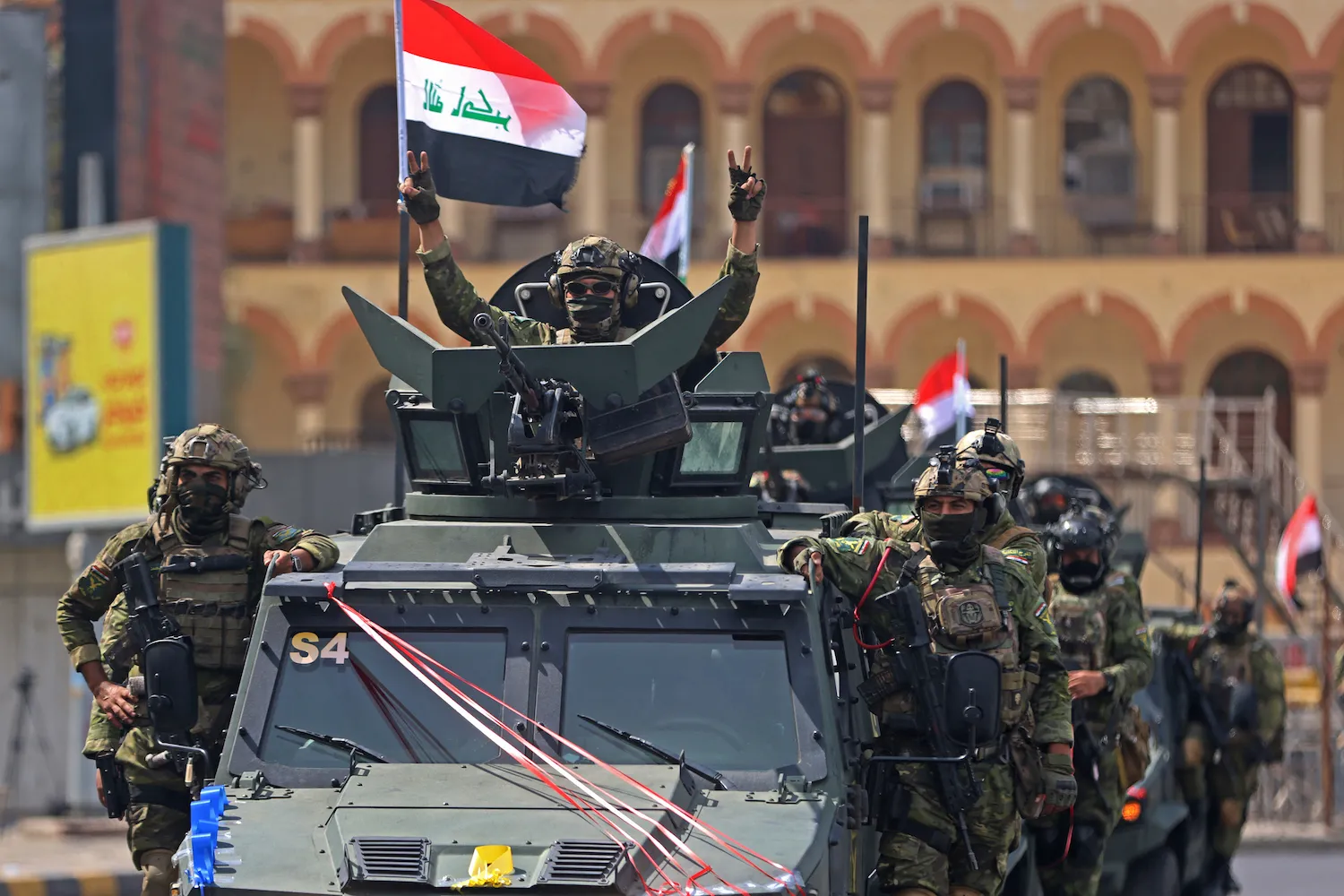
After 23 years of war and occupation, the last US soldiers officially left Iraq on Wednesday, Chief Pentagon spokesperson Sean Parnell announced in a statement on the “successful conclusion” of operations against the Islamic State organization in Iraq. The war, launched on false claims that Saddam Hussein possessed weapons of mass destruction, led to hundreds […]
After 23 years of conflict and occupation, the final contingent of American troops officially departed Iraq on Wednesday, according to Chief Pentagon spokesperson Sean Parnell. The war, initiated on false premises that Saddam Hussein possessed weapons of mass destruction, resulted in hundreds of thousands of civilian deaths and incurred costs exceeding a trillion dollars, although precisely quantifying government war funding remains challenging.
In 2002, Defense Secretary Donald Rumsfeld confidently forecasted that the war would be brief: "I can’t tell you if the use of force in Iraq today would last five days or five weeks or five months. But it certainly isn’t going to last any longer than that."
The United States had previously withdrawn its troops from Iraq twice. Following the launch of the war in 2003, US forces formally withdrew in 2011. The "Mission Accomplished" banner, which symbolized the conclusion of the war, was reportedly packed away and sent to George W. Bush's presidential library. Despite this, the military presence in Iraq increased in 2014 under "Operation Inherent Resolve" to confront ISIS.
The conflict continued to be reported as ongoing by publications such as Mother Jones, which maintained a daily series titled "We're Still At War" from approximately 2009 to 2014. US soldiers remained in Iraq until the end of 2021, when their combat role in the country concluded. Even then, about 2,500 US soldiers continued to serve as military advisers in the nation.
Today, all these troops have also withdrawn. In a statement, Iraqi Prime Minister Ali al-Zaidi remarked on a new era characterized by Iraq's sovereignty, the robustness of its institutions, the preparedness of its forces, the unity of its decision-making, and balanced partnerships with its allies.
Written by urgent.news from Mother Jones's reporting — not their text. Machine-written — may contain errors; check the original before relying on it.