The Great Data-Center Rebellion
Could a new populist movement help save American democracy?
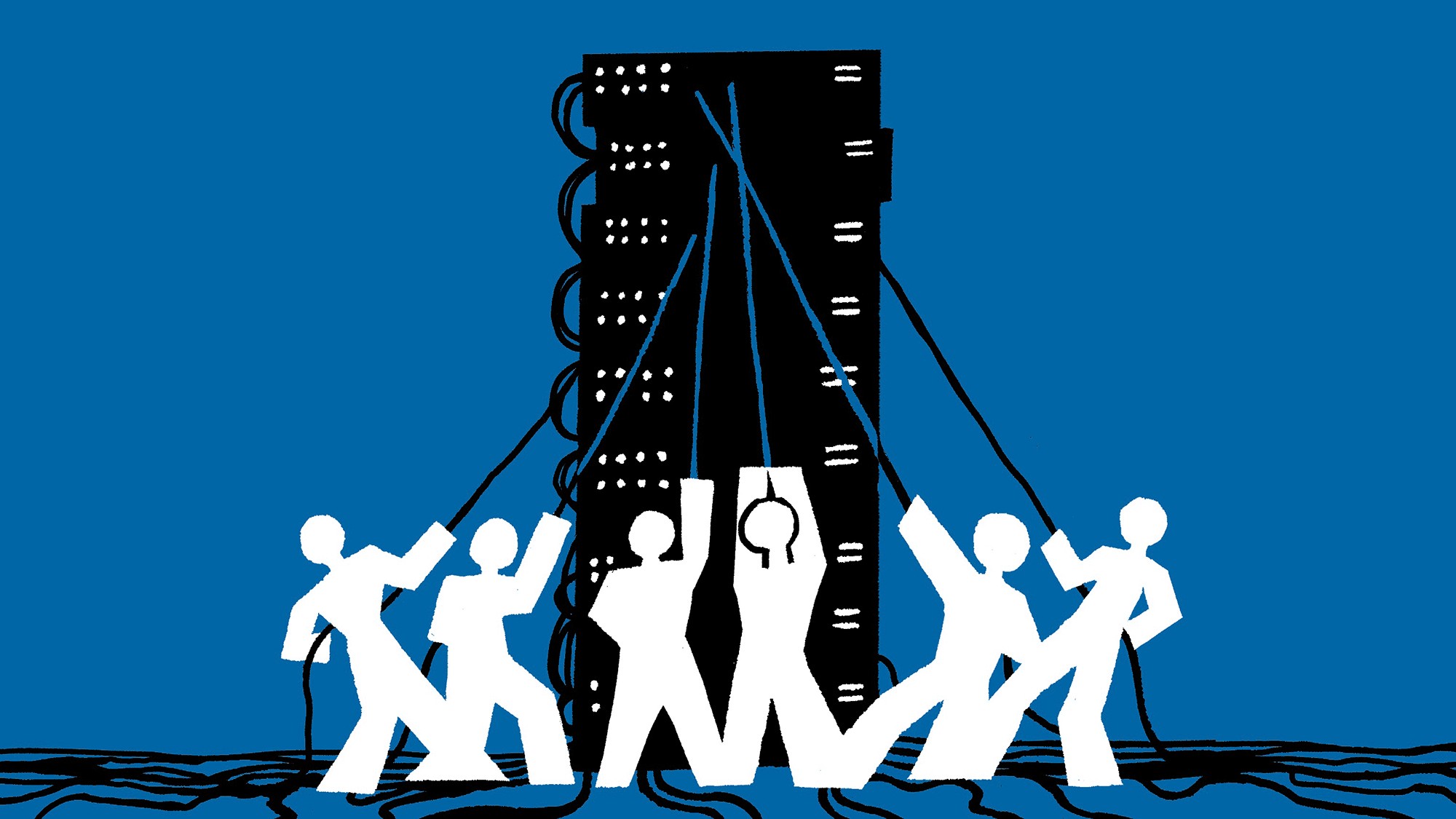
On January 27th, Stephen Figg, a resident of Clinton, Iowa, learned that a broker was looking to purchase farmland on the west side of the city, north of Highway 30. Figg, who owns a small firm specializing in technological infrastructure, including data centers, discovered surveyors working in a nearby field. During his conversation with his stepsister, a member of the city council, Figg discovered that a data center was being proposed for the area.
The project, which would involve constructing 10 buildings of 500,000 square feet each, was planned by Quality Technology Services (QTS), a subsidiary of the private-equity firm Blackstone. The developer had been in discussions with local officials, utility companies, and a pro-business nonprofit called Grow Clinton for over two years. The project remained confidential for a time, with private meetings and a code name ("Saturday River") adding to the secrecy.
Residents of Clinton soon became aware of the data center proposal. Theresa Andrews, a quality analyst at a chemical company, heard a rumor in mid-March about the development planned for the cornfields in her area. She investigated further and discovered that dozens of requests for information about parcels of farmland were being made on the city's website. Andrews compiled a spreadsheet and map of the projected site, which covered 1,100 acres, or 832 football fields.
Concerns about the data center grew among residents. Figg, Wisor, and others raised worries about water consumption, electrical-grid capacity, soil contamination, low-frequency sound waves, nonstop light, and the potential destruction of rural life. Despite city officials' attempts to push for a rapid construction timeline, citizens formed Clintonians Against Data Centers, a group composed of seven individuals with diverse political backgrounds.
They voiced their opposition to the data center, with some arguing against artificial intelligence's impact on jobs and others concerned about health risks.
The city council voted down a proposal for a 120-day moratorium on the project, and construction proceeded without a moratorium. As the data center neared completion, Clintonians Against Data Centers continued their advocacy against the project, leading to a community-wide debate about the future of their town.
Written by urgent.news from The Atlantic's reporting — not their text. Machine-written — may contain errors; check the original before relying on it.