The clever way Apple embedded Face ID beneath the iPhone 18 Pro screen
In the iPhone 18 Pro , Apple has taken one of the next steps toward its long-term vision of the iPhone as a single slab of glass: embedding the Face ID module beneath the display. Achieving this without having the Face ID array be visible through the display and without compromising the quality of this section of the screen required some clever engineering … more…
Apple has made a significant step toward its vision of an iPhone as a single slab of glass by embedding the Face ID module beneath the display of the iPhone 18 Pro. Achieving this without compromising the quality of the screen required clever engineering. Jony Ive, although no longer with the company, had long envisioned this design.
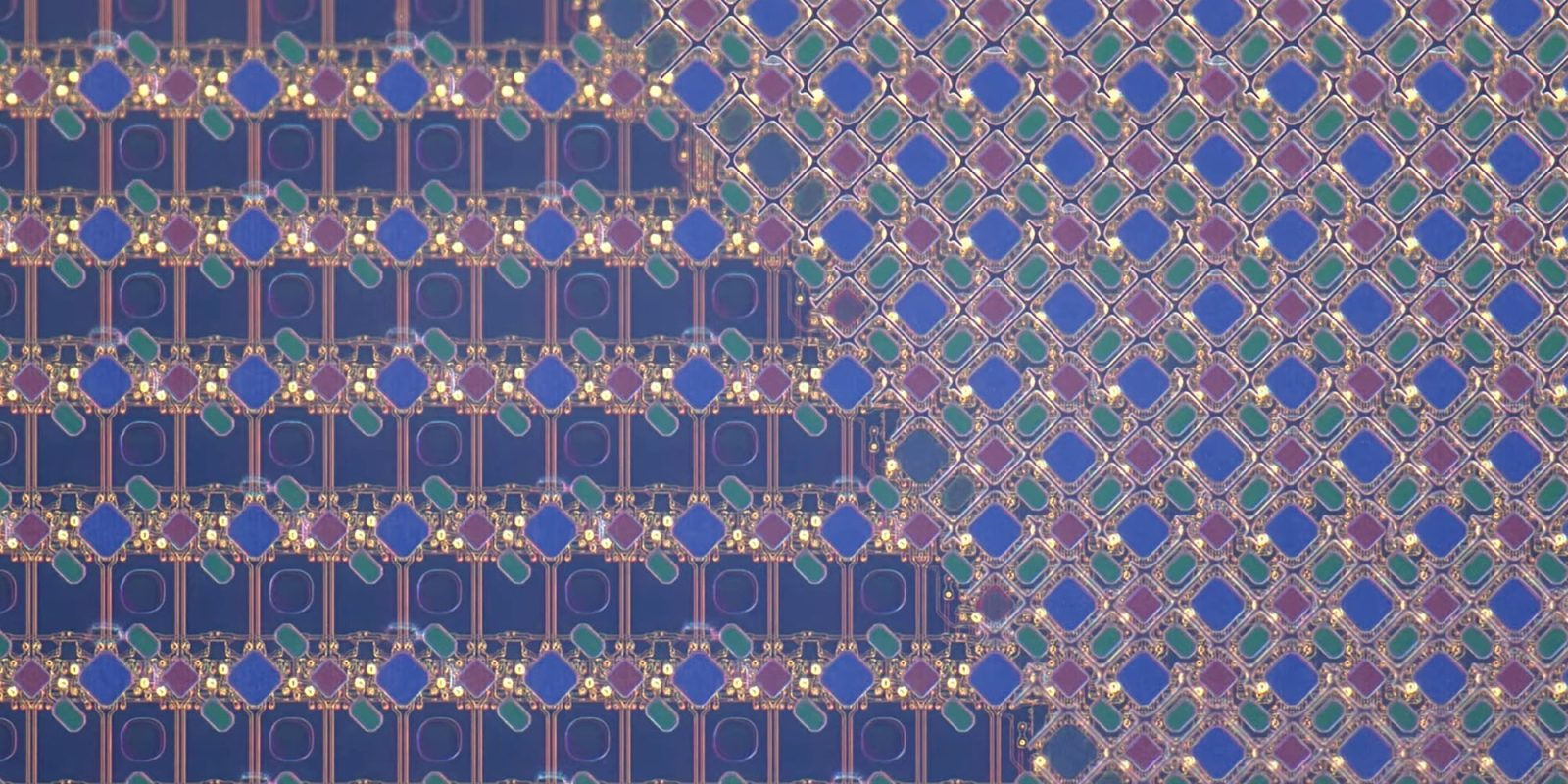
The goal is to eventually embed all technology requiring screen real estate, such as Face ID and the front-facing camera, beneath the display. However, embedding Face ID beneath the display was a challenging task. Face ID utilizes infrared light, which cannot pass through display pixels. To allow the infrared light to pass between the pixels without causing visible degradation, Apple designed a new pixel layout with larger gaps.
This design change resulted in a reduced pixel density, which could potentially make the section of the display appear dimmer. To counteract this, Apple increased the brightness of these pixels. Additionally, there appears to be an IR pass filter to prevent visible light from passing through the gaps, further concealing the components.
The result is that the TrueDepth camera array is nearly invisible to the naked eye, even under close inspection. This breakthrough reduces the size of the Dynamic Island, allowing for three live activities instead of two. While hiding the front-facing camera beneath the display is technically feasible, the current compromise in image quality is beyond Apple's acceptable threshold. However, solving this issue is a matter of when, not if.
Written by urgent.news from 9to5Mac's reporting — not their text. Machine-written — may contain errors; check the original before relying on it.
This story
This is one outlet's version. Read the fullest account.