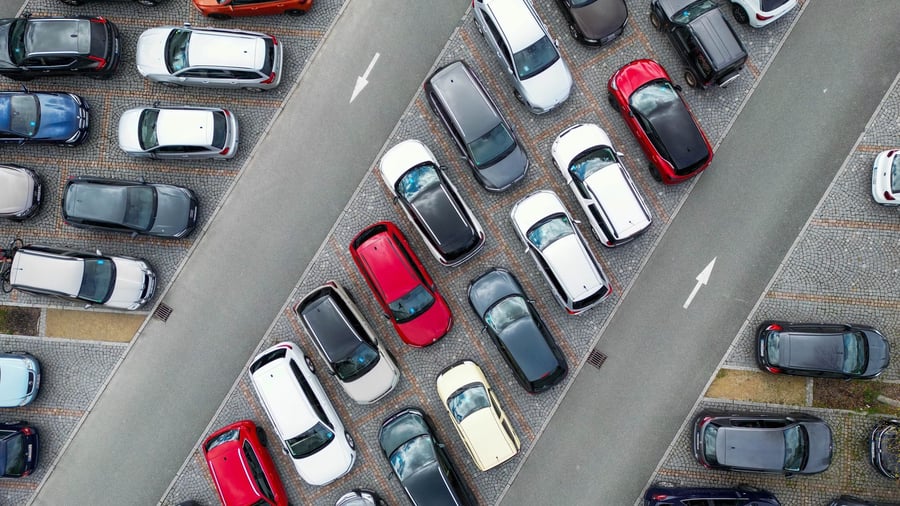
Teure Autos, teure Reparaturen: Neue Typklassen in der Versicherung für MiIlionen Autofahrer
Bei teuren Autos kosten in aller Regel auch die Reparaturen mehr. Das spiegelt sich in den Typklassen wider. Sehr günstig sind historische Kleinwagen - die nur noch selten auf der Straße sind.
German insurance companies have raised the auto classifications for 7.4 million drivers, reflecting accident rates and repair costs. However, these classifications have become cheaper for 5.1 million drivers, according to the German Insurance Association. Two examples include the VW T7 Multivan 2.0 TDI, which becomes two insurance classes cheaper, while the Citroen C5 1.2 becomes two classes more expensive.
A fifth of the 33,000 car models are being assessed, but this represents only a portion of the 33,000 cars legally registered in Germany. The insurance companies take into account all car types licensed in Germany, including classic cars from decades ago. The compulsory third-party insurance reflects damages caused by drivers in accidents to other people's property.
Comprehensive insurance also covers hail damage, accidents involving wildlife or theft, and self-inflicted damage to the insured vehicle. The classification system is intricate, with 16 classes in compulsory third-party insurance and 25 in comprehensive insurance. Most car owners will not see any changes this year as two-thirds retain their current classifications.
The cost of repairs and high classification in comprehensive insurance typically increase with the car's value and the price of its spare parts. Insurance experts Jörg Asmussen of the German Association of the Insurance Industry explained that the costlier a car and its spare parts are, the higher the comprehensive insurance classification.
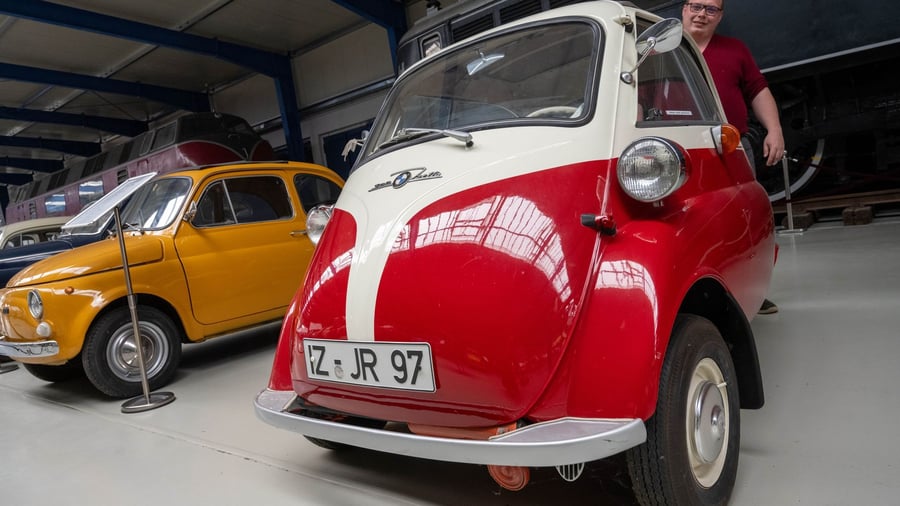
Generally, affordable small cars are also affordable in comprehensive insurance classifications, such as the Renault Twingo (tier 10) and the Fiat Panda (tier 11). Expensive vehicles in comprehensive insurance include the Porsche Panamera 4 E-Hybrid (tier 30) and the Range Rover 3.0 TD (tier 29). The cheapest cars are historical small cars, such as the 1950s-era BMW Isetta known as "knutschkugel" and the Citroen 2CV, called "ente".
These low classifications apply across all types of vehicle insurance. The statistics do not specify the reasons behind the lower classifications for these classic cars, which are rarely seen on German roads and mostly maintained by owners who drive them sparingly. Besides the vehicle itself, the driver's age also influences insurance classifications.
The classification is one of the factors in calculating vehicle insurance premiums. The region where a driver lives also factors in as part of the regional classification. However, the age of the driver plays a significant role, as elderly drivers, particularly those over 60, are more likely to cause accidents than middle-aged drivers. Consequently, insurance premiums are lower for middle-aged drivers.
Written by urgent.news from Handelsblatt's reporting — not their text. Machine-written — may contain errors; check the original before relying on it.
This story
This is one outlet's version. Read the fullest account.